
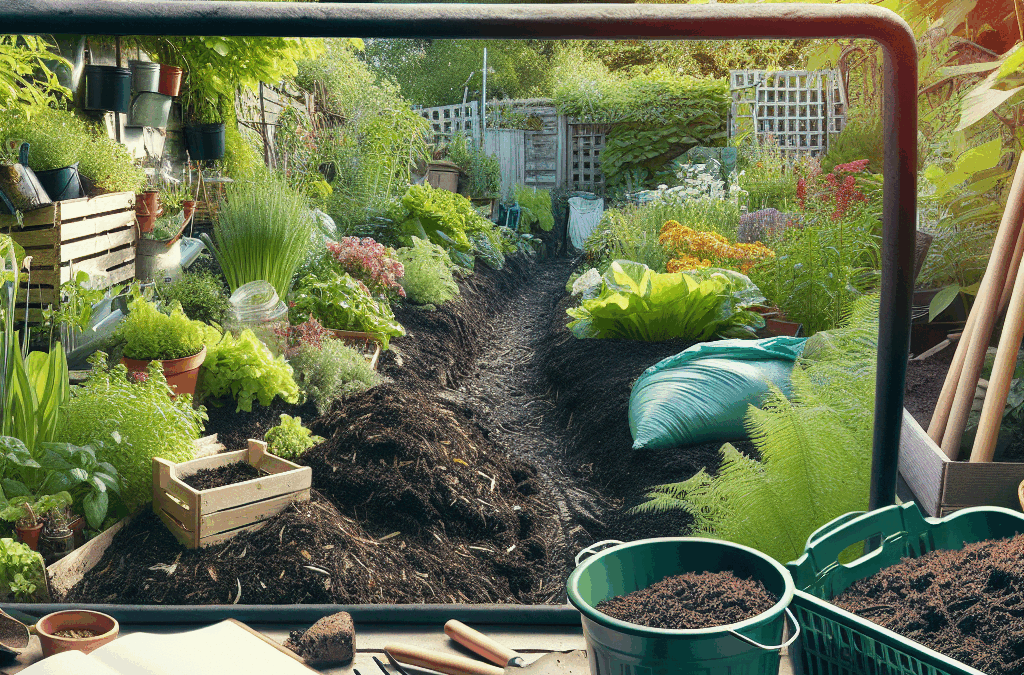
Beginning your gardening journey can be both exciting and intimidating. Many first-time gardeners envision a lush, vibrant garden, yet often struggle with the practicalities of planting and maintaining it. The key to success lies in understanding the unique requirements of your environment, choosing the right plants, and mastering essential gardening techniques. With the right approach, you can transform your outdoor space into a flourishing sanctuary.
Common mistakes for beginners include overwatering, poor plant selection, and neglecting soil health. Many novice gardeners assume that all plants need the same amount of water or that they can simply plant anything without considering their local climate. It’s crucial to recognize that gardening is a nuanced practice that requires attention to detail and adaptability. By prioritizing what truly matters—such as soil quality, plant compatibility, and local climate conditions—you can significantly increase your chances of success.
Understanding Your Environment
The first step in successful gardening is understanding your local environment. This includes knowing your hardiness zone, which determines what plants will thrive in your area based on temperature ranges. Additionally, consider factors such as sunlight exposure, wind patterns, and soil type. Each of these elements plays a crucial role in plant health and growth.
Recognizing these environmental factors can prevent you from making poor plant choices. For instance, a plant that thrives in full sun may struggle in a shaded area, leading to frustration and wasted resources. Take time to observe your space throughout the day to identify the best spots for different plants.
Choosing the Right Plants
Once you understand your environment, the next step is selecting the right plants. Beginners often feel overwhelmed by the multitude of options available, leading to hasty decisions. Focus on plants that are known for being resilient and suited to your specific climate. Native plants are often a great choice as they are adapted to local conditions and require less maintenance.
When selecting plants, consider their growth habits, water needs, and how they will interact with one another in your garden. Avoid overcrowding, which can lead to competition for nutrients and light. Instead, choose a variety of plants that complement each other and create a balanced ecosystem.
Soil and Water Management
Healthy soil is the foundation of a thriving garden. It’s essential to invest time in preparing your soil by testing its pH and nutrient levels. Amend it with organic matter, such as compost, to improve fertility and structure. This practice not only enriches the soil but also enhances its ability to retain moisture.
Water management is equally critical. Many beginners overwater their plants, assuming more water equals better growth. However, overwatering can lead to root rot and other issues. Instead, learn to assess when your plants need water by checking the soil moisture. A general rule of thumb is to water deeply but infrequently, allowing the soil to dry out between watering sessions.
Common Mistakes to Avoid
As a beginner gardener, it’s easy to fall into traps that can hinder your success. One common mistake is neglecting to plan your garden layout. A well-thought-out layout considers plant height, sun exposure, and spacing, which can significantly impact growth and yield.
Another mistake is failing to monitor your plants for pests and diseases. Regularly inspecting your garden helps you catch issues early before they become severe problems. Additionally, avoid relying solely on chemical treatments. Embrace integrated pest management (IPM) techniques that prioritize natural solutions.
Further Reading
Authoritative Sources
- eXtension
extension.orgA comprehensive resource for gardening techniques and best practices, tailored to various regions and climates
- Gardening Know How
gardeningknowhow.comOffers practical advice and solutions for common gardening problems, ideal for beginners
- Royal Horticultural Society
rhs.org.ukProvides expert gardening tips, plant care guides, and advice on sustainable gardening practices
Frequently Asked Questions
What are the best beginner plants to start with?
Herbs like basil and mint, vegetables such as radishes and lettuce, and flowers like marigolds are excellent choices for beginners due to their ease of growth.
How often should I water my garden?
Watering needs vary by plant and climate, but generally, it’s best to water deeply once a week, allowing the soil to dry out between waterings.
How do I know if my soil is healthy?
Healthy soil should be crumbly, rich in organic matter, and have a balanced pH. A soil test can help determine its nutrient levels.
What common pests should I watch for?
Common garden pests include aphids, slugs, and spider mites. Regular inspections can help catch infestations early.
Can I start a garden in small spaces?
Absolutely! Container gardening and vertical gardening techniques can help maximize small spaces while allowing you to grow a variety of plants.
Conclusion
Starting your gardening adventure requires attention to detail and a willingness to learn from mistakes. By understanding your environment, selecting appropriate plants, managing soil and water wisely, and avoiding common pitfalls, you can cultivate a thriving garden. Remember, patience and persistence are key; every gardener makes mistakes along the way. Embrace the journey and enjoy the rewards of your efforts as your garden flourishes.


