
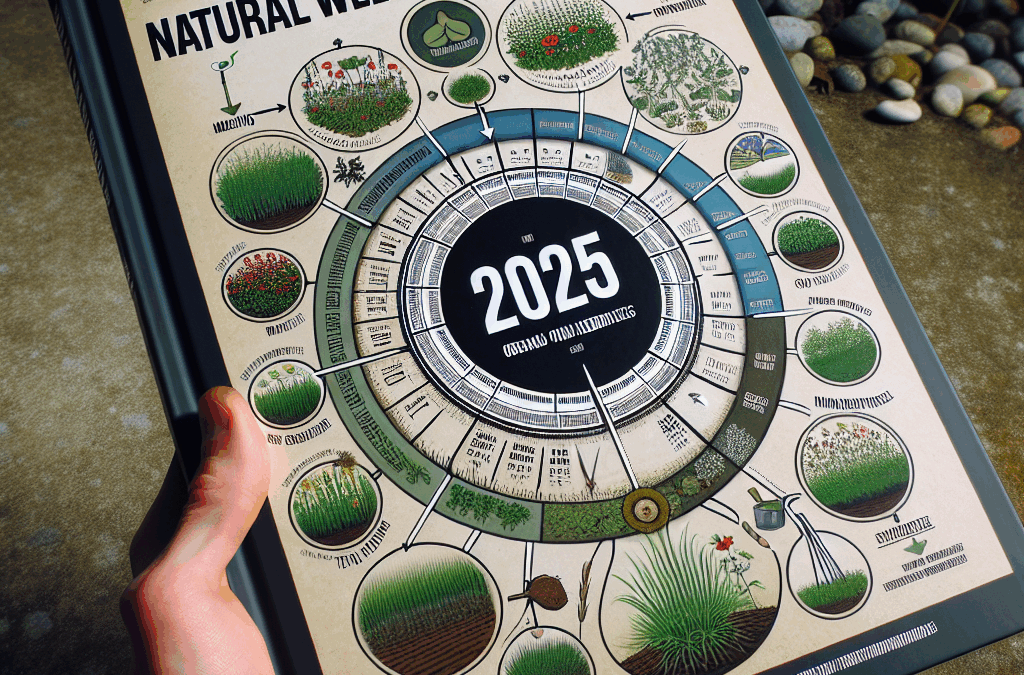
Effective weed control in gardens can be simplified with a few strategic approaches that save time and effort. By understanding the specific challenges your garden faces, you can implement methods that not only curb weed growth but also support the health of your plants. We’ll take a closer look at practical, easy-to-implement strategies that address common pitfalls and help you maintain a thriving garden.
Many gardeners mistakenly believe that weed control is solely about pulling or spraying. However, the real stakes lie in creating an environment where weeds struggle to thrive. Understanding the types of weeds, their growth cycles, and how they compete with your plants will inform your approach. Prioritizing prevention through soil health and ground cover can significantly reduce your workload.
Understanding Weeds: Types and Growth Patterns
To effectively control weeds, it is essential to understand the different types of weeds that may invade your garden. Broadly classified, these can be categorized into annuals, biennials, and perennials. Annual weeds complete their life cycle in one growing season, while biennials take two years, and perennials can return year after year.
Recognizing these growth patterns aids in selecting the correct control measures. For instance, annual weeds often require immediate removal before they seed, while perennials may need more robust strategies due to their established root systems. Failing to identify the weed type can lead to ineffective control and wasted efforts.
Preventive Measures for Effective Weed Control
Preventive strategies are crucial in establishing a weed-free garden. One of the most effective methods is to enhance soil health through organic matter and mulch. Organic matter improves soil structure and nutrient availability, while mulch acts as a barrier to prevent sunlight from reaching weed seeds.
Consider implementing ground covers in bare areas, which not only suppress weeds but also enhance the aesthetic of your garden. Additionally, maintaining proper plant spacing can reduce weed competition by allowing plants to establish themselves more robustly. Remember, prevention is always easier than cure when it comes to weed management.
Manual and Mechanical Weeding Techniques
Manual weeding is a straightforward approach that can be highly effective, especially in small gardens. It involves pulling weeds by hand or using tools like hoes and trowels. However, timing is essential; weeds should be removed before they flower and seed.
Mechanical weeding tools, such as tillers or weeders, can save time in larger areas. Yet, caution is necessary to avoid disturbing the soil too much, as this can bring dormant weed seeds to the surface. Assessing your garden’s size and layout will help you determine the best weeding approach.
Natural Herbicides: When and How to Use Them
In situations where manual methods fall short, natural herbicides can offer a viable solution. These products, often derived from plant sources, can effectively target weeds while being less harmful to the environment than synthetic alternatives. Vinegar, for instance, can be used as a natural herbicide due to its acetic acid content.
It’s important to apply these herbicides wisely, targeting specific weeds and avoiding application on desirable plants. Understanding the right concentration and timing can significantly influence their effectiveness. As with any method, evaluating the trade-offs of using herbicides versus manual removal is crucial for sustainable gardening.
Further Reading
Authoritative Sources
- Iowa State University Extension and Outreach
extension.iastate.eduThis site provides comprehensive resources on weed management strategies tailored for various garden types
- University of Vermont Extension
uvm.eduA valuable source for research-based information on managing weeds organically
- USDA Natural Resources Conservation Service
nrcs.usda.govOffers guidelines on soil health and weed management practices for sustainable gardening
Frequently Asked Questions
What are the best natural methods for weed control?
Some effective natural methods include mulching, hand-pulling, and using vinegar or salt as natural herbicides.
How often should I weed my garden?
Regular weeding every couple of weeks, especially before flowering and seeding, helps maintain control.
Can I use vinegar as a weed killer?
Yes, vinegar can be an effective natural herbicide when applied directly to the leaves of weeds on sunny days.
What is the best time to weed?
The best time to weed is during warm, dry weather when the soil is moist, making it easier to pull out weeds with roots.
How can I prevent weeds from growing in my garden?
Using mulch, maintaining healthy soil, and planting ground covers are effective strategies to prevent weed growth.
Conclusion
All in all, achieving easy weed control for gardens is not only possible but can be done with minimal effort by utilizing preventive measures, manual techniques, and natural herbicides. Prioritize soil health and the right timing for interventions, and remember that a proactive approach will save you time and frustration in the long run. Implementing these strategies will not only enhance your garden’s appearance but also promote a healthier growing environment for your plants.


