
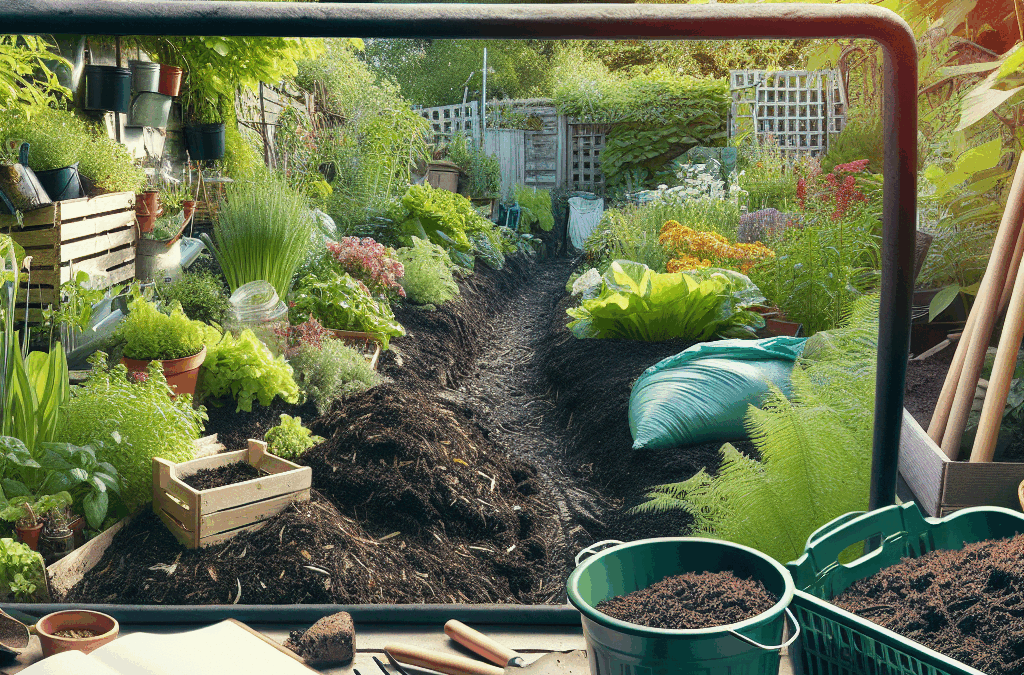
Understanding the importance of seed saving is crucial for any gardener. It allows you to preserve heirloom varieties that may not be readily available in stores, creating a unique garden tailored to your preferences. Furthermore, seed saving contributes to biodiversity and can reduce your dependence on commercial seed sources, which often prioritize hybrid varieties that may not be suited for your local environment.
One common mistake many gardeners make is not considering plant compatibility when saving seeds. Cross-pollination can occur between similar plant species, resulting in hybrid seeds that may not produce true-to-type offspring. To avoid this, it’s essential to isolate different varieties, either by physical distance or by timing their flowering periods. Prioritizing this aspect of seed saving will help maintain the integrity of your chosen plants.
Choosing the Right Plants for Seed Saving
Not all plants are suitable for seed saving. When selecting which plants to save seeds from, focus on those that are open-pollinated or heirloom varieties. These types tend to produce seeds that will grow into plants true to their parent. Conversely, hybrid plants often yield seeds that do not replicate the parent plant’s characteristics, leading to unpredictable results.
Consider saving seeds from your healthiest and most productive plants. This practice enhances the overall quality of your garden over time, as you are essentially selecting for traits that thrive in your specific growing conditions. Additionally, take note of any plants that exhibit disease resistance, as this trait is invaluable for future growing seasons.
Another aspect to consider is the climate and soil conditions of your garden. Local adaptation plays a significant role in the success of your plants. By selecting seeds from plants that thrive in your specific area, you increase the likelihood of future successful growth. This prioritization can lead to a more resilient garden overall.
Understanding Pollination Methods
Pollination is a critical factor in seed saving, as it determines the genetic makeup of the seeds you collect. There are two primary types of pollination: self-pollination and cross-pollination. Self-pollinating plants, such as tomatoes and peppers, are relatively easy to save seeds from because they do not require pollen from another plant to produce seeds.
In contrast, cross-pollinated plants, like corn and squash, require careful management to ensure seed purity. To prevent unwanted crossbreeding, isolate these plants from others of the same species. This can be achieved through physical distance or by staggering planting dates. Understanding these pollination methods will help you maintain the integrity of your saved seeds.
Many gardeners underestimate the implications of cross-pollination. For example, if two varieties of squash are planted too close together, the resulting seeds may produce plants that exhibit traits from both parent varieties. To avoid this, consider planting only one variety of cross-pollinating plants in a given season or using barriers to prevent bees and other pollinators from transferring pollen between them.
Harvesting Seeds at the Right Time
Timing is critical when it comes to harvesting seeds. Seeds should be collected when they are fully mature but before they begin to fall from the plant. This ensures that you are getting seeds that have the best chance of germination. For many plants, this means waiting until the seed pods or fruit have dried on the plant.
Once harvested, it’s essential to clean the seeds properly. Remove any debris and ensure that the seeds are fully dry before storing them. This reduces the risk of mold and rot, which can compromise seed viability. Properly dried seeds can be stored for several years, maintaining their germination rates if handled correctly.
A common mistake is harvesting seeds too early. Seeds that are not fully mature may lack the necessary energy reserves for successful germination, leading to disappointment in the next planting season. To avoid this, familiarize yourself with the specific maturation signs for each type of plant to ensure optimal timing.
Proper Seed Storage Techniques
Once you have harvested and cleaned your seeds, proper storage is vital to maintain their viability. The ideal conditions for seed storage include a cool, dark, and dry environment. Glass jars or airtight containers are excellent for keeping seeds safe from moisture and pests. Label each container with the plant type and harvest date to keep track of your seeds.
Temperature and humidity play significant roles in seed longevity. The lower the temperature and humidity, the longer the seeds will remain viable. Consider using a refrigerator or a cool basement for storage. Additionally, including desiccants like silica gel packets can help absorb any excess moisture in the storage container.
Many gardeners overlook the importance of seed storage conditions. For example, storing seeds in a warm, humid environment can drastically reduce their shelf life. By understanding how to create the right conditions for your seeds, you can ensure that they remain viable for the next planting season and beyond.
Further Reading
Authoritative Sources
- Seed Alliance
seedalliance.orgA valuable resource for information on seed saving and biodiversity
- Alabama Cooperative Extension System
aces.eduOffers guidelines on seed saving techniques and best practices
- Vegetable Gardener
vegetablegardener.comA comprehensive site with articles on various gardening topics, including seed saving
- Rodale's Organic Life
rodalesorganiclife.comFeatures insights on organic gardening and seed preservation methods
Frequently Asked Questions
What is seed saving?
Seed saving is the practice of collecting seeds from garden plants to use for future planting, preserving plant varieties and promoting sustainability.
Why should I save seeds?
Saving seeds helps maintain heirloom varieties, reduces dependence on commercial seeds, and can save money while promoting biodiversity.
How do I know when to harvest seeds?
Harvest seeds when they are fully mature, typically when seed pods or fruits have dried on the plant, but before they fall off.
What are the best storage conditions for seeds?
Seeds should be stored in a cool, dark, and dry environment, ideally in airtight containers to prevent moisture and pest damage.
Can I save seeds from hybrid plants?
It’s not recommended, as hybrid seeds often do not produce plants true to their parent varieties, leading to unpredictable results.
Conclusion
All in all, seed saving is a valuable practice for gardeners seeking to maintain the integrity of their plants and promote sustainability. By choosing the right plants, understanding pollination methods, harvesting seeds at the appropriate time, and employing proper storage techniques, you can ensure a successful gardening experience year after year. Prioritize these practices to cultivate a garden that reflects your preferences and thrives in your local environment.


