
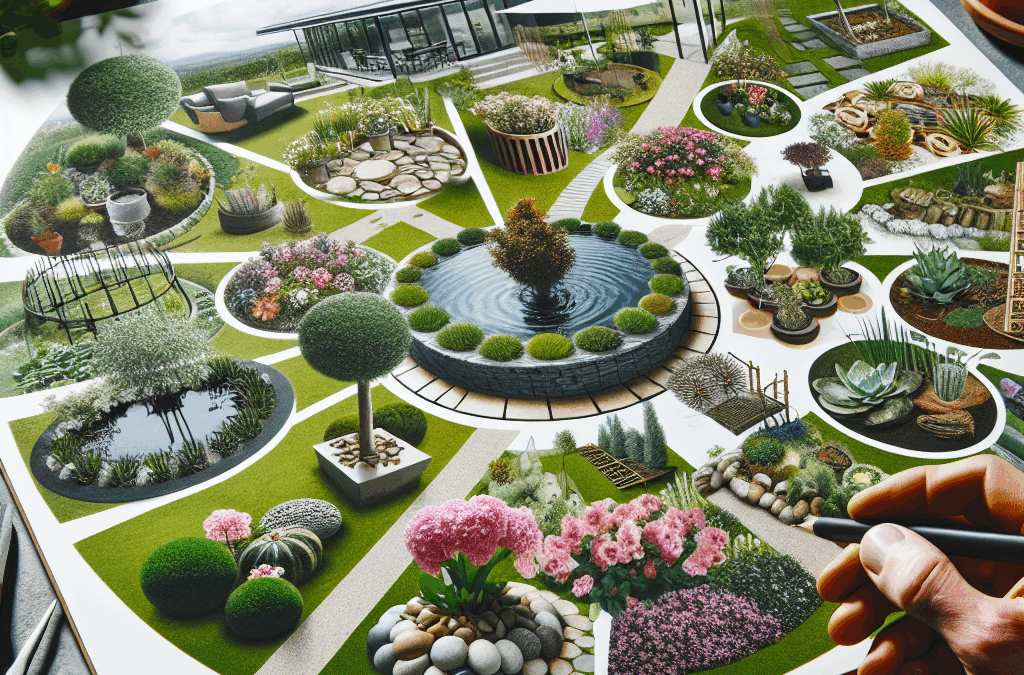
One key aspect of this system is the selection of crops that mature quickly, such as radishes, lettuce, and herbs. These plants can be harvested in a matter of weeks, allowing for daily or weekly harvesting. Additionally, employing efficient watering methods, such as drip irrigation or soaker hoses, can minimize water waste and ensure plants receive consistent moisture, which is vital for healthy growth. Regular monitoring of plant health and growth progress also allows gardeners to make timely adjustments to care and harvesting schedules.
Another common mistake is to overlook the importance of crop rotation and companion planting. These techniques can enhance soil health and reduce pest problems, ultimately leading to better yields. By rotating crops and planting compatible species together, gardeners can create a more resilient garden ecosystem. Prioritizing these practices will help ensure a consistent supply of fresh produce while minimizing the risk of crop failure.
Choosing the Right Crops for Daily Harvests
Selecting the appropriate crops is essential for establishing a successful daily harvest system. Fast-growing varieties, such as radishes, greens, and herbs, can be harvested within weeks, providing a steady supply of fresh produce. Additionally, consider the climate and seasonality of your region to select crops that thrive in your environment.
When choosing crops, it’s crucial to take into account not only growth rates but also dietary preferences and culinary uses. For instance, if you enjoy salads, prioritize leafy greens like arugula and spinach, which can be harvested multiple times throughout their growth cycle. This method of harvesting, known as ‘cut-and-come-again,’ allows for continual production from the same plants.
Moreover, staggered sowing can help maintain a continuous supply of fresh produce. By planting small batches of crops every few weeks, you can ensure that your garden yields fresh produce consistently without overwhelming yourself at harvest time. This approach helps to manage labor and reduces the risk of crop failure.
Implementing Efficient Watering Techniques
Proper watering is crucial for maintaining healthy plants and ensuring consistent yields. Efficient watering techniques, such as drip irrigation or using soaker hoses, allow for targeted watering that minimizes waste while providing sufficient moisture to the root zone.
Monitoring soil moisture levels is equally important. Tools like moisture meters can help determine when plants need watering, preventing overwatering or underwatering. Additionally, mulching around plants can help retain soil moisture, reduce evaporation, and suppress weeds, further supporting healthy plant growth.
Consider the timing of watering as well; early morning is often the best time to water, as it allows plants to absorb moisture before the heat of the day. This practice not only supports plant health but also helps prevent fungal diseases that can arise from watering in the evening.
Establishing a Harvesting Routine
A consistent harvesting routine is key to maximizing yields and ensuring the freshness of your produce. Establish a schedule that aligns with the growth rates of your chosen crops, and make it a habit to check your garden daily.
Regular harvesting encourages plants to continue producing. For instance, removing mature leaves from leafy greens stimulates new growth, while timely harvesting of root vegetables prevents them from becoming oversized and tough. Documenting your harvests can also help you track crop performance and identify any adjustments needed for future plantings.
Moreover, consider incorporating a designated harvesting area to streamline the process. Having tools readily available and a clean space for processing harvested produce can save time and make the experience more enjoyable.
Utilizing Crop Rotation and Companion Planting
Crop rotation and companion planting are essential techniques for maintaining soil health and optimizing yields. By rotating crops each season, you can prevent soil depletion and reduce the risk of pests and diseases that can affect specific plant families.
Companion planting involves grouping plants that benefit each other, such as planting basil near tomatoes to enhance growth and flavor. This technique can also deter pests and improve pollination, leading to healthier plants and increased yields.
Prioritizing these practices in your garden can lead to a resilient ecosystem that supports daily harvests. Assess your garden layout and plan for crop rotation and companion planting to maximize the benefits of your gardening efforts.
Further Reading
Authoritative Sources
- Vegetable Gardening: Planting Schedules
extension.umn.eduThis resource provides detailed planting schedules for various vegetables, helping gardeners plan for consistent harvests
- Vegetable Planting Chart
almanac.comA comprehensive chart that outlines optimal planting times for different vegetables based on climate zones
- Companion Planting Guide
gardeningknowhow.comThis guide offers insights into effective companion planting strategies to enhance garden productivity
Frequently Asked Questions
What crops are best for daily harvesting?
Fast-growing crops like radishes, lettuce, and herbs are ideal for daily harvesting due to their quick maturation times.
How often should I water my garden?
Watering frequency depends on the crops and climate, but generally, early morning watering is best for optimal plant health.
What is staggered sowing?
Staggered sowing involves planting small batches of crops at intervals to ensure a continuous supply of fresh produce.
How can I improve soil health in my garden?
Practices like crop rotation, companion planting, and adding organic matter can significantly enhance soil health over time.
What should I do with overgrown vegetables?
Overgrown vegetables can often still be used; for example, oversized zucchini can be grated and used in recipes or composted if too tough.
Conclusion
Implementing the simplest system for daily garden harvests requires a thoughtful approach to crop selection, watering, and harvesting routines. By choosing fast-growing varieties and employing efficient practices like staggered sowing and companion planting, gardeners can enjoy a continuous supply of fresh produce. Prioritizing soil health through crop rotation and maintaining a consistent harvesting schedule will further enhance productivity. As you refine this system, remember that adaptability and observation are key to successful gardening.


