
Clay soil, while often challenging due to its density and tendency to retain water, can be highly fertile. The key to successfully growing vegetables in such soil lies in understanding its properties and making necessary amendments. Adding organic matter like compost can improve drainage and aeration, allowing roots to penetrate more easily. Furthermore, selecting the right vegetable varieties that are well-suited to clay can lead to a more bountiful harvest.
One common mistake gardeners make is not addressing the drainage issues associated with clay soil. Without proper drainage, plants can suffer from root rot and other diseases. Prioritizing soil amendments and choosing vegetables that can tolerate these conditions will help ensure a successful gardening experience.
Understanding Clay Soil
Clay soil is characterized by its fine particles that compact easily, leading to poor drainage and aeration. This type of soil can be rich in nutrients, but its density can hinder root development. Understanding these properties is essential for successful gardening.
Gardeners often underestimate the importance of soil structure. While clay retains moisture, it can also lead to waterlogged conditions. This can create a hostile environment for many plants. Knowing how to amend clay soil can make a significant difference in plant health and productivity.
To improve clay soil, consider incorporating organic matter such as compost or well-rotted manure. These amendments can help break up the soil, creating air pockets and enhancing drainage. This is crucial for vegetables that require well-drained conditions.
Best Vegetables for Clay Soil
Several vegetables are particularly well-suited for cultivation in clay soil. Beans, carrots, peas, and radishes are among the top choices. These vegetables can thrive despite the heavier texture of clay.
Beans, for instance, not only grow well in clay but also help improve soil structure through their nitrogen-fixing abilities. Carrots and radishes can penetrate clay if the soil is amended properly, while peas can handle moisture better than many other crops.
It’s important to plant these vegetables at the right time and depth to ensure successful germination. For instance, sowing seeds too deeply in compact clay can hinder their emergence. Always follow planting guidelines specific to each vegetable.
Soil Preparation Techniques
Preparing clay soil for planting involves several key techniques. First, it’s crucial to assess the soil’s moisture level. If the soil is too wet, working it can cause further compaction.
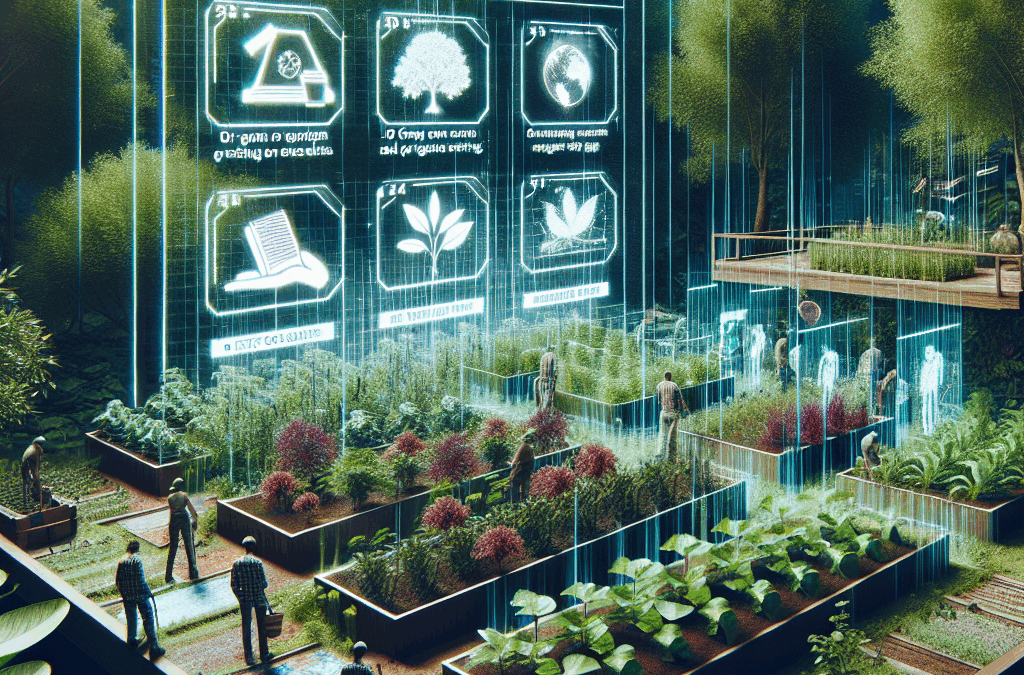
Once the soil is ready, incorporating organic matter is vital. This not only improves drainage but also enriches the soil with nutrients. Additionally, using raised beds can help mitigate some of the challenges posed by clay.
Regular mulching can also prevent soil compaction and maintain moisture levels. Remember to avoid walking on wet clay soil, as this can lead to further compaction and negatively affect root growth.
Further Reading
Authoritative Sources
- Understanding Clay Soil
extension.umn.eduThis source provides in-depth information on the properties of clay soil and how to amend it for better gardening results
- Vegetables for Clay Soil
gardeningknowhow.comA comprehensive list of vegetables that thrive in clay soil, along with tips for successful cultivation
Frequently Asked Questions
What vegetables grow best in clay soil?
Vegetables like beans, carrots, peas, and radishes are well-suited for clay soil due to their ability to thrive in heavier textures.
How can I improve clay soil for gardening?
Incorporate organic matter such as compost or well-rotted manure to improve drainage and aeration in clay soil.
Should I use raised beds for clay soil?
Yes, raised beds can help mitigate drainage issues and improve soil conditions for planting in clay.
What common mistakes should I avoid with clay soil?
Avoid working wet clay soil, as this can lead to compaction and hinder root growth. Also, be cautious not to plant seeds too deeply.
How often should I water vegetables in clay soil?
Watering frequency depends on the specific vegetable, but generally, check for moisture regularly, as clay retains water longer than sandy soils.
Conclusion
Successfully growing vegetables in clay soil requires understanding its unique properties and making appropriate amendments. By choosing the right vegetable varieties and employing effective soil preparation techniques, gardeners can achieve impressive yields. Prioritize incorporating organic matter and ensuring proper drainage to avoid common pitfalls. With these strategies, even the challenges of clay soil can be transformed into an opportunity for lush vegetable growth.


