
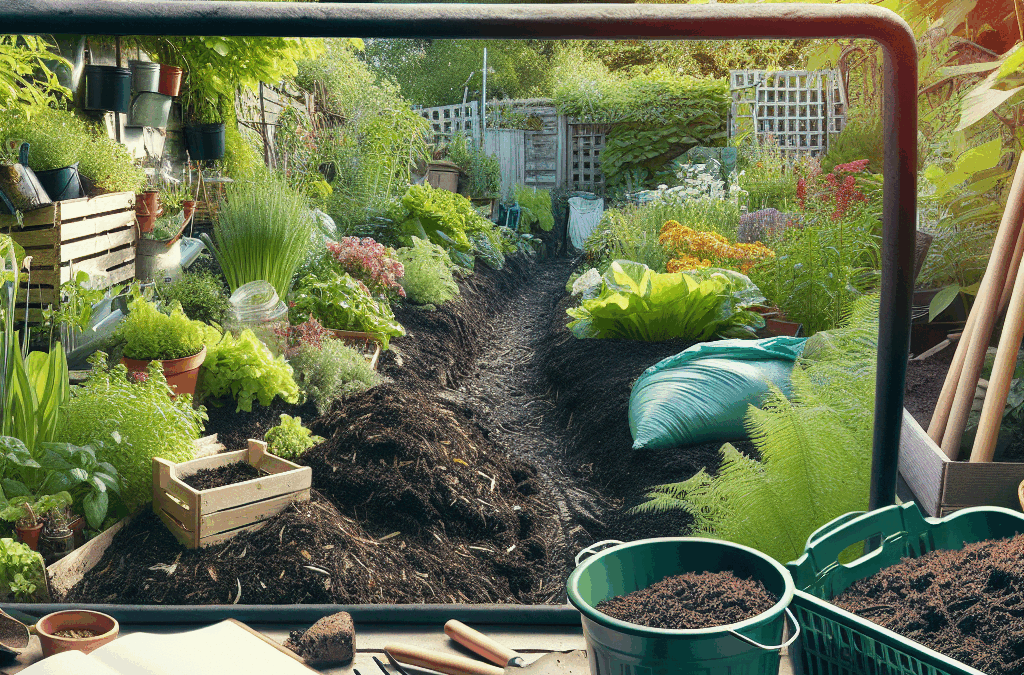
Creating a salsa garden is an exciting way for beginners to dive into gardening while producing ingredients for fresh salsa. The essential components for this type of garden include tomatoes, peppers, onions, and cilantro, which are key elements in any salsa recipe. Start your garden by selecting a sunny area, as these plants thrive in full sunlight and require well-drained soil to flourish.
Timing is crucial; plant your seeds in the spring after the last frost to ensure a bountiful harvest in late summer. Beginners often overlook the importance of soil health, so consider testing your soil and amending it with organic matter to improve its fertility. Watering consistently is also vital, as both overwatering and underwatering can stress your plants and affect yield.
Choosing the Right Location
Choosing an optimal location for your salsa garden is critical for success. Select a spot that receives at least 6-8 hours of sunlight daily, as most of the plants you’ll be growing require ample light to thrive. Avoid shaded areas and ensure good air circulation to help prevent disease.
Additionally, consider proximity to a water source for easy irrigation. If space is limited, container gardening is a viable alternative, allowing you to grow your ingredients on a patio or balcony. Just ensure the containers have proper drainage to avoid waterlogging.
Selecting Your Plants
For a beginner salsa garden, the primary plants to include are tomatoes, peppers, onions, and cilantro. Choose varieties that suit your climate and growing conditions. For example, cherry tomatoes are often easier for beginners to grow than larger types.
When selecting peppers, consider both sweet and spicy varieties to customize your salsa to your taste. Onions can be planted from sets or seeds, while cilantro grows quickly and can be harvested multiple times during the growing season. Make sure to stagger your planting times to ensure a continuous supply of fresh ingredients throughout the summer.
Soil Preparation and Care
Preparing your soil is a foundational step in establishing a successful salsa garden. Start by testing your soil’s pH and nutrient levels to determine what amendments are necessary. Generally, a pH of 6.0 to 6.8 is ideal for these plants.
Add organic matter such as compost to enrich the soil, improve drainage, and promote healthy root development. Mix the compost thoroughly into the top 12 inches of soil before planting. Regularly check for weeds, which can compete with your plants for nutrients and water, and remove them promptly.
Watering and Maintenance
Proper watering is essential for the health of your salsa garden. Water your plants deeply but infrequently to encourage deep root growth. Aim for about 1-2 inches of water per week, adjusting based on rainfall and temperature.
Mulching around your plants can help retain moisture and suppress weeds. Additionally, keep an eye out for pests and diseases, and take action early if you notice any signs of trouble. Hand-picking pests or using organic pest control methods can help maintain a healthy garden.
Harvesting and Enjoying Your Salsa
Once your plants begin to produce, it’s time to enjoy the fruits of your labor. Harvest tomatoes when they are fully ripe and firm, and pick peppers when they reach the desired color and size. Onions can be harvested when the tops begin to fall over, while cilantro can be snipped as needed.
Combine your fresh ingredients to create delicious homemade salsa. Experiment with different ratios of tomatoes, peppers, onions, and cilantro to find your perfect flavor profile. Enjoy your fresh salsa with chips, tacos, or as a topping for grilled meats.
Frequently Asked Questions
What are the best tomatoes for salsa?
Roma tomatoes are often recommended for salsa because they have fewer seeds and thicker flesh, making for a chunkier texture.
How often should I water my salsa garden?
Water your salsa garden deeply once or twice a week, depending on rainfall and temperature, to promote healthy root growth.
Can I grow salsa ingredients in containers?
Yes, salsa ingredients like tomatoes, peppers, and cilantro can be successfully grown in containers as long as they have adequate drainage.
When should I harvest my cilantro?
Harvest cilantro when the leaves are vibrant green and before the plant flowers for the best flavor.
What pests should I watch for in my salsa garden?
Common pests include aphids, spider mites, and tomato hornworms. Regular inspection and early intervention are key to managing them.
Conclusion
Starting a salsa garden as a beginner is both rewarding and practical. Focus on growing essential ingredients like tomatoes, peppers, onions, and cilantro while ensuring optimal growing conditions. Pay attention to soil health, watering, and pest management to maximize your harvest. With careful planning and care, you will enjoy the fruits of your labor in delicious homemade salsa.


