
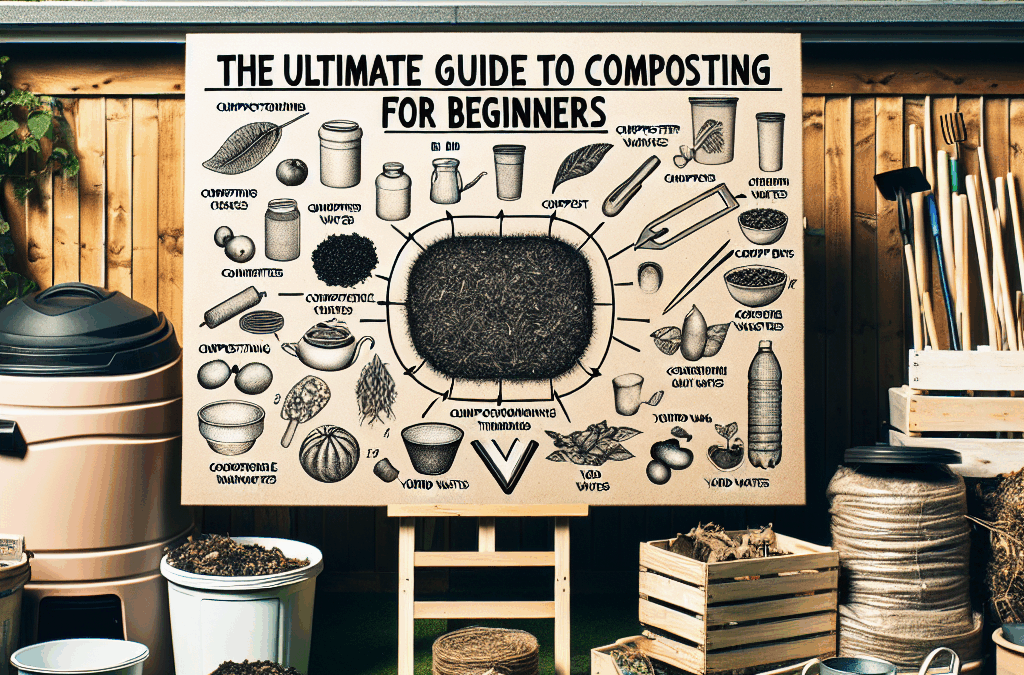
When dealing with poor soil, it’s essential to understand the underlying issues that contribute to its condition. Compacted soil, lack of organic matter, and poor drainage can hinder plant growth. By selecting plants that are well-suited to these conditions, you can create a garden that flourishes despite its challenges. Additionally, incorporating organic matter such as compost can significantly enhance soil quality, providing nutrients and improving drainage.
Choosing the Right Plants
When selecting plants for poor soil, focus on those that are naturally adapted to thrive in such conditions. Clover and other legumes are excellent choices due to their ability to fix nitrogen in the soil, enriching it over time. Native grasses are also resilient and require minimal care while providing essential habitat for local wildlife.
In addition to clover and native grasses, consider planting hardy vegetables like radishes, carrots, and certain varieties of beans. These vegetables not only grow well in less-than-ideal soil but also can be harvested relatively quickly, giving you faster results. Always assess the specific conditions of your yard, including soil texture and moisture levels, to make informed decisions about plant selection.
Improving Soil Quality
Improving the quality of poor soil is crucial for long-term gardening success. Start by adding organic matter, such as compost or well-rotted manure, to enhance nutrient levels. This addition helps to improve soil structure, aeration, and drainage, making it more hospitable for plant roots.
Avoid over-fertilizing, as this can lead to nutrient burn and further degrade soil quality. Instead, focus on gradual improvements through organic amendments. Regularly testing your soil can provide insights into its nutrient content and pH levels, allowing for more targeted amendments.
Maintaining Your Plants
Once you’ve selected appropriate plants and improved your soil, maintenance becomes key to a successful garden. Watering practices are essential; avoid over-watering, which can lead to root rot, especially in poorly draining soils. Instead, opt for deep, infrequent watering to encourage deep root growth.
Mulching can also help retain moisture and suppress weeds, which is particularly important in a nutrient-poor environment. Regular monitoring for pests and diseases is vital, as stressed plants are more susceptible to infestations. By staying proactive, you can ensure your garden thrives even in challenging conditions.
For additional resources on improving soil quality and selecting the right plants for your garden, consider these authoritative sources:
soilhealth.org
Explore research and practices for improving soil health and productivity
gardeners.com
Find practical gardening tips and advice tailored to various soil conditions
In practice, strong results with What to grow if your yard has poor soil usually come from repeating the same few priority actions long enough for them to become consistent. That means focusing on one clear standard, removing mixed signals, and watching what changes the outcome over several days instead of reacting to one isolated result. Small adjustments tend to work better than constant resets, because they make it easier to see what is actually helping and what is slowing progress.


