
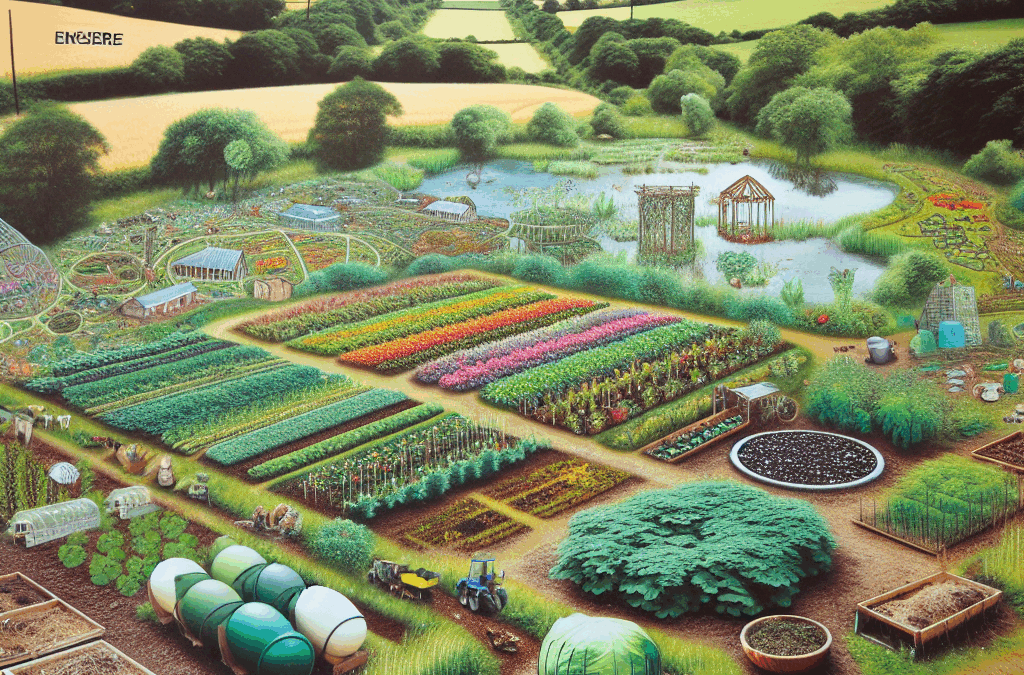
Plants often halt their growth in midsummer due to heat stress, inadequate watering, and nutrient shortages. High temperatures can lead to wilting and reduced photosynthesis, while insufficient moisture may cause roots to dry out, resulting in drooping leaves. To combat these issues, ensure your plants receive deep watering regularly, especially during hot spells. Additionally, providing shade during peak sunlight hours can help protect vulnerable plants from excessive heat.
Understanding Heat Stress in Plants
Heat stress is a primary reason why plants stop growing in midsummer. When temperatures soar, plants can struggle to maintain their physiological processes, leading to wilting and reduced growth. High heat can cause a plant’s stomata to close, limiting carbon dioxide intake, which is essential for photosynthesis. This stress can be exacerbated by dry conditions, leading to an overall decline in plant health.
To alleviate heat stress, consider providing shade during the hottest parts of the day. Using shade cloth or strategically placing taller plants can help protect more delicate species. Additionally, monitoring temperature and humidity levels in your garden can provide insights into when to take protective measures.
The Importance of Proper Watering
Inadequate watering is another significant factor contributing to stagnated plant growth during midsummer. As temperatures rise, plants require more water to support their growth and maintain turgor pressure. Without sufficient moisture, plants may exhibit signs of stress, including drooping leaves and slower growth rates.
Implementing a consistent watering schedule is crucial, especially during peak heat. Deep watering is often more beneficial than frequent shallow watering, as it encourages deeper root growth. Consider using mulch to retain soil moisture and reduce evaporation. Regularly check the soil moisture level to ensure that your plants are receiving adequate hydration.
Nutrient Deficiencies and Their Impact
Nutrient deficiencies can also play a role in why your plants stop growing in midsummer. As plants grow, they deplete the nutrients in the soil, particularly nitrogen, phosphorus, and potassium. A lack of these essential nutrients can lead to poor growth and reduced fruit or flower production.
To prevent nutrient deficiencies, consider conducting a soil test to identify nutrient levels and pH. Based on the results, amend the soil with organic fertilizers or compost to replenish essential nutrients. Regular feeding during the growing season can help maintain optimal nutrient levels and support healthy growth.
Frequently Asked Questions
What are the signs of heat stress in plants?
Signs of heat stress include wilting leaves, stunted growth, and leaf scorch. Plants may also drop flowers or fruits prematurely.
How often should I water my plants in midsummer?
In midsummer, most plants require watering at least once a week, but this may increase depending on heat and plant type. Always check soil moisture before watering.
Can I revive plants that have stopped growing?
Yes, you can often revive plants by addressing heat stress, improving watering practices, and adding necessary nutrients. Monitor their recovery closely.
What nutrients are most important for plant growth?
Nitrogen, phosphorus, and potassium are essential for plant growth. Each plays a crucial role in various physiological processes.
How can I prevent nutrient deficiencies in my garden?
Regularly amend your soil with organic fertilizers, compost, and mulch to maintain nutrient levels and improve soil health.
Conclusion
Understanding why your plants stop growing in midsummer is essential for maintaining a healthy garden. By addressing heat stress, ensuring proper watering, and preventing nutrient deficiencies, you can support robust growth even in the hottest months. Regular monitoring and care will help your plants thrive, leading to a more productive and vibrant garden throughout the summer.


