
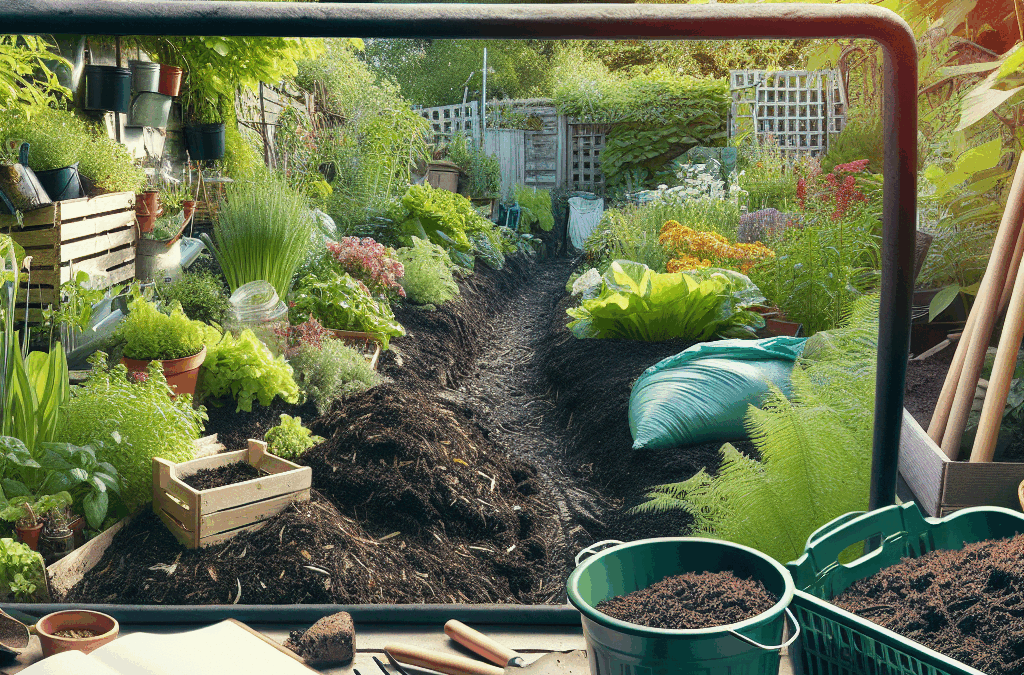
A productive homestead garden requires a strategic approach that includes careful planning of your layout and crop selection. Begin by assessing your space for sunlight and drainage, which will guide you in placing taller plants where they won't overshadow shorter ones. Choose crops that are well-suited to your local climate, mixing annuals and perennials for continuous harvests. To enhance soil quality, incorporate organic matter and practice crop rotation to maintain nutrients. Regular maintenance, including watering and pest control, is essential to maximize your garden's yield and sustainability.
Planning Your Garden Layout
The first step in creating a productive homestead garden is to plan your layout effectively. Understanding the sunlight, wind patterns, and drainage of your property is crucial for optimal plant growth. Designate areas for different crops based on their sunlight needs and growth habits; for instance, taller plants should be placed on the north side to avoid shading shorter ones. Consider raised beds or container gardening if your soil is poor or if you have limited space.
Moreover, think about accessibility when planning your garden. Ensure that pathways are wide enough for easy movement and that all plants are reachable for maintenance. A well-thought-out layout will not only enhance the aesthetic appeal but also improve the efficiency of your gardening efforts. Avoid overcrowding plants to minimize competition for nutrients and sunlight, which can lead to reduced yields.
Selecting the Right Crops
Choosing the right crops is essential for a successful homestead garden. Research which plants are best suited for your climate and soil type, as some crops thrive in specific conditions. For instance, tomatoes and peppers prefer warm weather, while leafy greens like spinach and lettuce can tolerate cooler temperatures. Aim for a mix of annuals and perennials to ensure year-round productivity.
Additionally, consider your family’s dietary preferences and the potential for preserving excess harvests. Growing a variety of vegetables, fruits, and herbs can maximize your garden’s output and reduce grocery costs. Remember to rotate crops each season to maintain soil health and reduce pest issues. This practice not only enhances soil fertility but also minimizes the risk of diseases that can affect specific plant families.
Soil Preparation Techniques
Soil preparation is a critical step for ensuring your homestead garden’s success. Start by testing your soil to understand its pH and nutrient levels; this information will guide you in amending your soil appropriately. Incorporating organic matter, such as compost or well-rotted manure, can significantly improve soil structure and fertility.
When preparing your soil, ensure it is well-aerated and free from weeds. Tilling the soil can help mix in organic amendments, but avoid over-tilling, which can disrupt the soil’s ecosystem. Mulching around plants after they are established can help retain moisture, suppress weeds, and gradually enrich the soil as it breaks down. Proper soil preparation sets the foundation for healthy plants and a bountiful harvest.
Maintenance and Care Practices
Ongoing maintenance is vital for a productive homestead garden. Regular watering is essential, particularly during dry spells; consider implementing a drip irrigation system for efficiency. Monitor your plants for signs of pests and diseases, and take action promptly to mitigate any issues. Organic pest control methods, such as introducing beneficial insects or using natural repellents, can be effective without harming the environment.
Crop rotation and interplanting can enhance garden resilience and productivity. Additionally, keep an eye on nutrient levels and consider organic fertilizers to support plant growth. Regularly harvesting mature crops encourages further production and prevents waste. With diligent care, your garden can thrive and provide an abundant supply of fresh produce throughout the growing season.
Frequently Asked Questions
What is the best time to start a homestead garden?
The best time to start a homestead garden typically depends on your local climate, but generally, spring is ideal for most crops. Planning ahead and starting seeds indoors can extend your growing season.
How can I improve soil fertility?
Improving soil fertility can be achieved by adding organic matter like compost, practicing crop rotation, and using cover crops to enhance nutrient levels and soil structure.
What are common pests in homestead gardens?
Common pests include aphids, caterpillars, and snails. Implementing companion planting and using natural predators can help manage these pests effectively.
How often should I water my garden?
Watering frequency depends on weather conditions and soil type, but generally, gardens should receive about an inch of water per week, either from rainfall or irrigation.
Can I grow vegetables in containers?
Yes, many vegetables can thrive in containers, especially if space is limited. Choose appropriate container sizes and ensure they have good drainage for optimal plant health.
Conclusion
Creating a productive homestead garden requires careful planning, crop selection, and ongoing maintenance. By understanding your space and soil, choosing suitable plants, and implementing effective care practices, you can cultivate a thriving garden. Prioritize organic methods and sustainable practices to enhance both yield and soil health. Start with a clear plan and adjust as needed to maximize your homestead’s potential.


