
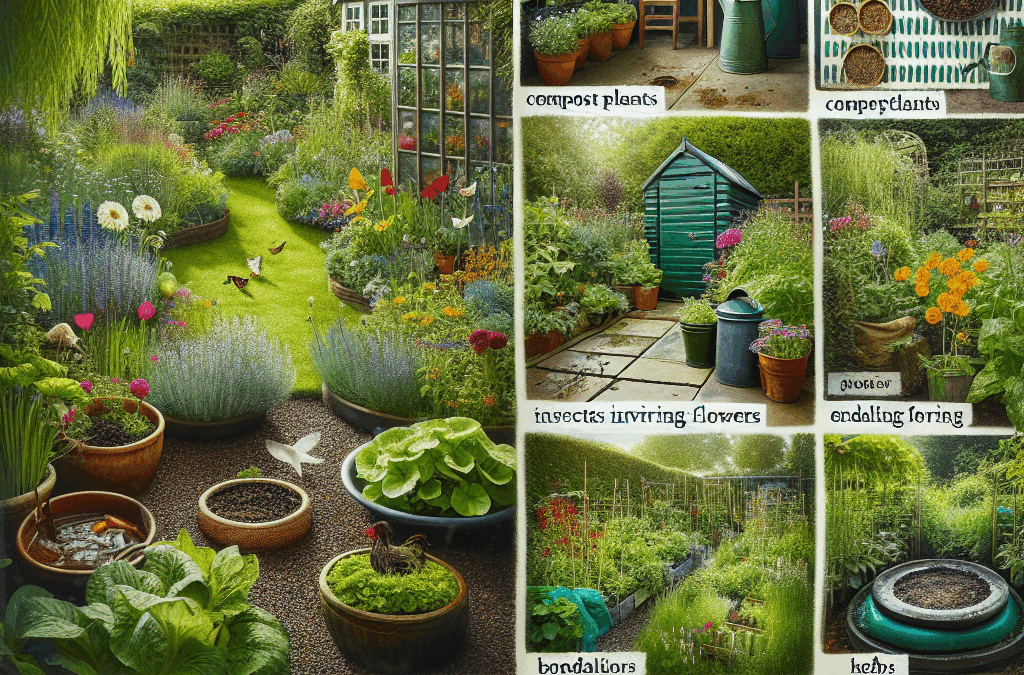
A simple strategy for maximizing small garden yields is to implement companion planting techniques that pair plants with complementary benefits. For example, growing tomatoes with basil not only enhances the flavor of the tomatoes but also helps deter pests that could harm the plants. Additionally, incorporating marigolds can provide natural pest control, while legumes can improve soil nitrogen levels, benefiting nearby crops. By carefully selecting plant combinations, gardeners can optimize space and resources, leading to a more productive and sustainable garden environment.
Understanding Companion Planting
Companion planting is a gardening technique where different plants are grown together to enhance growth, deter pests, and improve yields. This method harnesses the natural relationships between plants, allowing them to support one another in various ways. For example, some plants can provide shade, while others may attract beneficial insects or repel harmful ones. Understanding these relationships is key to maximizing the potential of a small garden.
One common misconception is that all plants can be grown together without consequence. However, certain combinations can inhibit each other’s growth or attract pests. Therefore, it’s essential to research the best pairings for your specific plants and garden conditions. Companion planting not only utilizes space efficiently but also promotes a healthier ecosystem within the garden.
Benefits of Companion Planting
Utilizing companion planting offers several advantages that can significantly enhance small garden yields. One of the primary benefits is improved pest management. By selecting plants that naturally repel pests, gardeners can reduce the need for chemical pesticides. For instance, marigolds are known to deter nematodes and other harmful insects, making them excellent companions for many vegetables.
Additionally, companion planting can enhance nutrient uptake. Certain plants, like legumes, can fix nitrogen in the soil, benefiting neighboring plants that require higher nitrogen levels. This not only improves the health of the plants but can also lead to increased yields. Furthermore, companion planting can help maximize space in small gardens, allowing for a greater variety of crops to be grown in a limited area.
Choosing the Right Plant Combinations
Selecting the right combinations for your garden is crucial for achieving the best results. A good starting point is to group plants that have complementary growth habits or nutrient requirements. For example, growing tall plants, like corn, alongside low-growing plants, such as squash, can optimize sunlight exposure and prevent overcrowding.
Another effective strategy is to incorporate plants that attract beneficial insects. Flowers like dill and fennel can draw pollinators and predatory insects, which help control pest populations. Conversely, avoid planting species that compete for the same nutrients or have allelopathic properties that inhibit the growth of others. Researching companion planting charts can provide valuable insights into effective pairings.
Practical Tips for Implementation
When implementing companion planting, start small and gradually expand your combinations as you learn what works best in your garden. It’s advisable to keep detailed notes on plant performance, pest issues, and overall yield to refine your approach over time. Additionally, consider rotating crops each season to prevent soil depletion and disease buildup.
Another practical tip is to stagger planting times. This can help ensure that plants are at their peak when they need to interact with one another. For example, planting fast-growing crops like radishes alongside slower-growing plants can help maximize space and resources efficiently. By following these strategies, you can effectively utilize companion planting to enhance your small garden’s yields.
Frequently Asked Questions
What is companion planting?
Companion planting is the practice of growing different plants in close proximity to enhance growth, deter pests, and maximize yields.
How does companion planting improve pest control?
Certain plants can repel pests or attract beneficial insects, reducing the need for chemical pesticides.
Can all plants be grown together?
No, some plants can inhibit each other's growth or attract pests, so it's essential to research compatible pairings.
What are some examples of good companion plants?
Examples include tomatoes and basil, carrots and onions, and corn with beans and squash.
How can I start implementing companion planting?
Begin with a few compatible plant combinations, keep notes on their performance, and expand your pairings as you learn.
Conclusion
Maximizing small garden yields through companion planting requires careful selection of plant pairings that benefit one another. By understanding the relationships between plants and applying practical strategies, gardeners can enhance pest management, improve nutrient uptake, and optimize space. Start with a few combinations and document your experiences to refine your approach. With time and experimentation, you can significantly increase the productivity of your small garden.


