
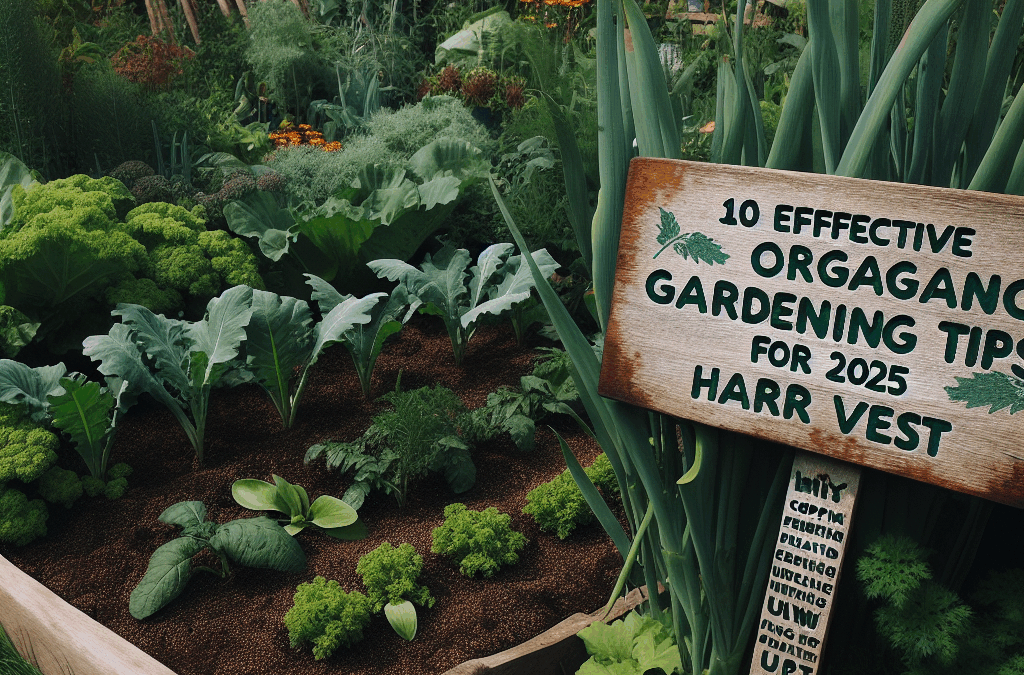
First-time gardeners should consider growing radishes, lettuce, and green beans, as these vegetables are not only easy to cultivate but also offer quick harvests. Radishes can be ready to eat in just three to four weeks and thrive in various soil types, making them a flexible choice. Lettuce, with its diverse varieties, can be grown in both garden beds and containers, requiring minimal care while benefiting from regular harvesting. Green beans are productive and can be trained to climb, saving space and providing a bountiful yield. Beginners should avoid overcrowding seeds to ensure healthy growth and optimal harvests.
Radishes: Quick and Rewarding
Radishes are one of the fastest-growing vegetables, often ready for harvest within three to four weeks after planting. Their ability to thrive in diverse soil types makes them an excellent choice for beginners. Additionally, they can be directly sown in the garden or in containers, allowing for flexibility in planting. However, beginners should be aware that radishes can become woody and spicy if left in the ground too long.
To successfully grow radishes, ensure they have adequate sunlight and water, as these factors contribute to their crisp texture. A common mistake is overcrowding seeds; spacing them properly allows for better air circulation and root development. By harvesting radishes promptly, gardeners can enjoy a fresh, crunchy addition to salads and meals.
Lettuce: A Versatile Green
Lettuce is another excellent option for first-time gardeners due to its quick growth and variety of types. From crisp romaine to tender leaf lettuce, there are many choices to suit different tastes. Lettuce can be sown in rows or scattered in a garden bed, and it can also be grown in pots, making it accessible for those with limited space.
When growing lettuce, it’s essential to keep the soil moist and provide some shade during the hottest parts of the day to prevent bolting. A common misconception is that lettuce requires a lot of care; in reality, it thrives with minimal intervention. Regularly harvesting leaves encourages new growth, allowing for continuous enjoyment throughout the growing season.
Green Beans: Easy and Productive
Green beans are known for their ease of cultivation and high yield, making them a favorite among novice gardeners. They can be planted directly in the ground or in containers, and they grow well in a variety of climates. Beans also have the added benefit of fixing nitrogen in the soil, which enhances soil health for future crops.
It’s important to provide support for climbing varieties, such as pole beans, but bush beans can thrive without it. Beginners should be cautious not to overwater, as beans prefer slightly dry conditions. Regular harvesting encourages more bean production, maximizing the garden’s output and providing a fresh vegetable option for meals.
Carrots: A Crunchy Delight
Carrots are not only nutritious but also fun to grow, especially for children. They require a bit more patience, as they take longer to mature—typically around two to three months. However, their unique shapes and colors can make the wait exciting. Carrots grow best in loose, sandy soil that allows for proper root expansion.
A common mistake is planting them too deeply; they should be sown at a shallow depth to ensure successful germination. Additionally, thinning seedlings is crucial to allow enough space for each carrot to grow properly. With proper care, first-time gardeners can enjoy a sweet and crunchy harvest, perfect for snacking or adding to salads.
Frequently Asked Questions
What vegetables grow best for beginners?
Vegetables like radishes, lettuce, and green beans are ideal for beginners due to their fast growth and ease of care.
How much sunlight do beginner vegetables need?
Most beginner vegetables need at least 6-8 hours of sunlight daily to thrive, though some, like lettuce, can tolerate partial shade.
Can I grow vegetables in pots?
Yes, many vegetables, including lettuce and green beans, can be successfully grown in pots, making them suitable for small spaces.
What common mistakes do beginner gardeners make?
Common mistakes include overcrowding plants, overwatering, and not providing enough sunlight, which can hinder growth.
When should I start planting my garden?
Planting times vary by region, but most spring vegetables can be planted after the last frost date for your area.
Conclusion
Choosing the right vegetables is essential for first-time gardeners, as it sets the stage for a rewarding experience. Radishes, lettuce, green beans, and carrots are not only easy to grow but also provide quick results, helping to build confidence. By understanding their specific needs and avoiding common pitfalls, new gardeners can enjoy a fruitful and enjoyable gardening journey. Start with these selections, and you’ll be well on your way to cultivating a thriving vegetable garden.


