
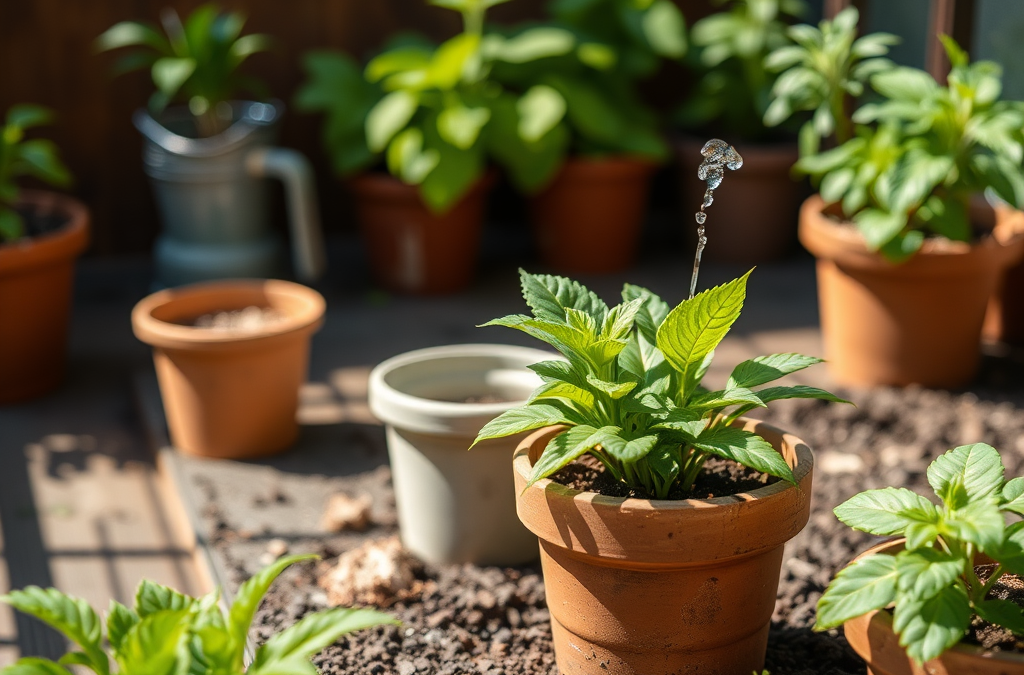
To prepare your garden for winter, begin by clearing away debris like fallen leaves and dead plants, as this helps prevent pests and diseases. Amend your soil with organic matter such as compost to enhance its health and resilience against freezing temperatures. Protect delicate plants by wrapping them in burlap or relocating potted plants to sheltered areas. Additionally, consider using windbreaks to shield vulnerable plants from harsh winds that can increase frost damage. These steps will ensure your garden remains healthy and ready for spring growth.
Clearing Debris and Preparing Soil
One of the first steps in preparing your garden for winter is to thoroughly clear away any debris such as fallen leaves, dead plants, and weeds. This practice is essential because leftover organic matter can harbor pests and diseases that may affect your plants when spring arrives. After clearing the debris, take the time to amend your soil with organic matter like compost or well-rotted manure. This not only enriches the soil but also improves its structure, making it more resilient against freezing temperatures.
When preparing the soil, consider testing its pH and nutrient levels. This will give you a clearer picture of what amendments are necessary. Adding organic matter can raise nutrient levels, while lime can adjust pH levels if they are too low. Ensuring your soil is well-prepared before winter helps set the stage for healthy plant growth in the spring.
Frost Protection for Plants
Protecting sensitive plants from frost is crucial for winter garden preparation. For perennial plants, wrapping them in burlap or using frost cloth can provide necessary insulation against harsh winter conditions. Additionally, consider relocating potted plants to a sheltered area, such as a garage or shed, to shield them from the cold.
Another effective method is to create windbreaks using straw bales or fencing to shield vulnerable plants from harsh winds that can exacerbate frost damage. Be mindful of the specific needs of each plant type, as some may require more protection than others. Understanding which plants are more susceptible to cold will help you prioritize your efforts effectively.
Mulching for Insulation
Mulching is a critical step in winter garden preparation. A thick layer of mulch helps insulate the soil and protect the root systems of plants from freezing temperatures. Organic mulches, such as straw, wood chips, or shredded leaves, not only provide insulation but also break down over time, enriching the soil with nutrients.
When applying mulch, aim for a depth of about 2-4 inches around the base of plants, avoiding direct contact with stems to prevent rot. Mulching not only protects plants but also helps retain soil moisture, reducing the need for watering during the winter months. This dual benefit makes it a vital part of your winter preparation strategy.
Cover Crops and Soil Health
Planting cover crops is an excellent way to enhance soil health during the winter months. Crops such as clover, rye, or vetch can be sown in the fall before the first frost. These plants prevent soil erosion, improve soil structure, and fix nitrogen levels in the soil, making it more fertile for spring planting.
Cover crops also suppress weeds and provide habitat for beneficial insects. When spring arrives, these crops can be tilled back into the soil, providing organic matter that boosts nutrient levels. Choosing the right cover crop for your garden can significantly improve long-term soil health, making it an integral part of winter preparation.
Frequently Asked Questions
What is the best way to protect my garden from frost?
The best way to protect your garden from frost is to cover sensitive plants with burlap or frost cloth and create windbreaks using straw bales.
When should I start preparing my garden for winter?
Start preparing your garden for winter in the fall, ideally before the first frost, to ensure plants are protected and soil is well-prepared.
How deep should mulch be for winter protection?
A layer of mulch should be about 2-4 inches deep to effectively insulate the soil and protect plant roots from freezing temperatures.
What cover crops are best for winter?
Winter rye, clover, and vetch are excellent cover crops that improve soil health and prevent erosion during the winter months.
How can I improve my soil for spring planting?
Improve your soil for spring planting by adding organic matter such as compost or well-rotted manure during your winter preparation.
Conclusion
Preparing your garden for winter is essential for ensuring a successful growing season in the spring. By clearing debris, protecting plants from frost, applying mulch, and planting cover crops, you create the optimal environment for soil health and plant resilience. Take these steps seriously to safeguard your garden through the winter months, and you’ll reap the benefits when the weather warms up again. Start your preparations early to set the foundation for a thriving garden.


