
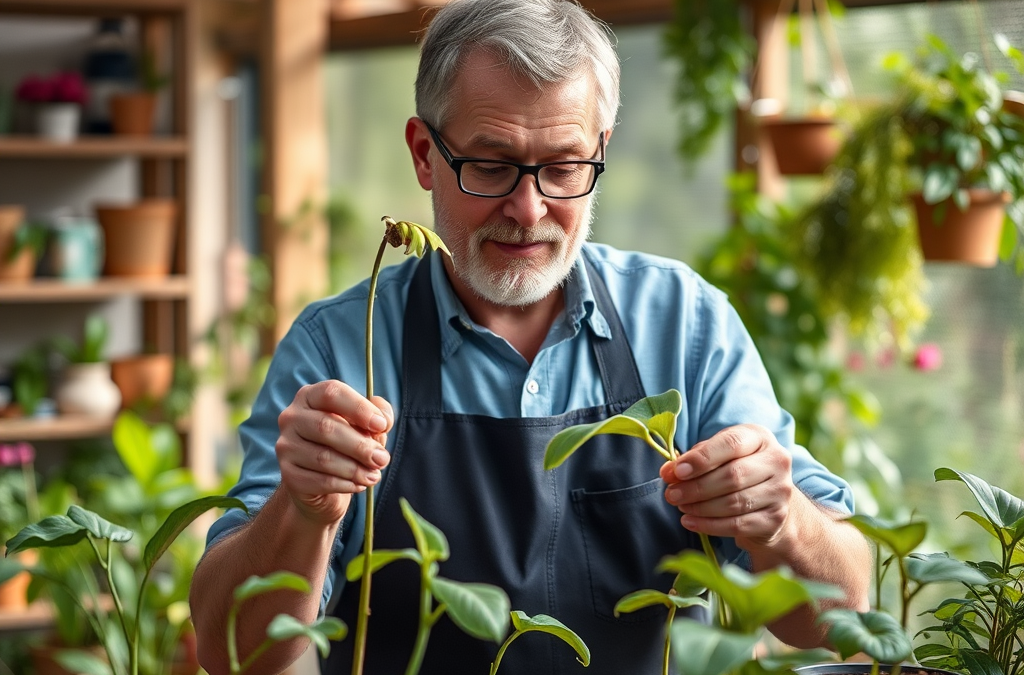
If your plants are wilting, the first step is to identify the cause, which may include underwatering, overwatering, or pest issues. Assess the soil moisture and drainage to determine if the roots are too dry or too soggy. Adjust your watering practices accordingly, and consider checking for pests or diseases that could be affecting the plants. Taking these steps can help revive your plants and promote healthy growth.
Identifying the Cause of Wilting
Wilting can be a distressing sight for any gardener, signaling that something is wrong with your plants. The first step in addressing this problem is to identify the underlying cause. Common reasons for wilting include underwatering, overwatering, and root issues. Underwatering occurs when the soil is too dry, causing the plant to lose turgor pressure. Conversely, overwatering can lead to root rot, making it difficult for the plant to absorb nutrients and water.
Examine the soil’s moisture level by sticking your finger about an inch into the soil. If it feels dry, your plants may need water. If the soil is soggy, it could indicate overwatering. Additionally, check for other issues like compacted soil, which can restrict root growth and water absorption, or check the pot’s drainage holes to ensure they are not blocked.
Adjusting Watering Practices
Once you have identified the cause of wilting, adjusting your watering practices is essential. For underwatered plants, it’s crucial to water them thoroughly until you see water draining from the bottom of the pot. This ensures that the entire root system receives moisture. It’s also vital to establish a consistent watering schedule based on the specific needs of your plants and the environmental conditions.
For overwatered plants, allow the soil to dry out before watering again. You may also need to repot the plant into fresh, well-draining soil if root rot has occurred. When watering, consider the season and the plant type; some plants require more frequent watering during their growing season, while others need less during dormancy.
Pest and Disease Management
Wilting can also be caused by pests or diseases that affect a plant’s health. Inspect your plants for signs of pest infestation, such as discolored leaves, webbing, or visible insects like aphids or spider mites. If you notice any of these signs, treatment is necessary to prevent further damage.
Organic insecticidal soaps or neem oil can effectively manage common pests. Make sure to follow the product instructions for application rates and frequency. Additionally, keep an eye out for signs of disease, such as spots or mold, which may require different treatments. Regularly removing dead or infected leaves can help maintain plant health and reduce the risk of disease.
Reviving Your Wilting Plants
After addressing the cause of wilting and adjusting your care routine, you may need to take additional steps to revive your plants. This can include providing extra humidity for tropical plants or moving them to a location with better light conditions. Sometimes, pruning back dead or severely wilted leaves can help redirect the plant’s energy towards new growth.
Consider fertilizing your plants with a balanced, water-soluble fertilizer to support recovery, especially if they have been under stress for a while. Monitor your plants closely for signs of improvement or further decline. Recovery might take time, so patience is key during this process.
Frequently Asked Questions
What causes plants to wilt?
Plants wilt due to a lack of water, overwatering, or root issues. Identifying the cause is essential for recovery.
How can I tell if my plant is underwatered?
Signs of underwatering include dry soil, drooping leaves, and a lack of turgor pressure in the plant.
What should I do if my plant is overwatered?
Allow the soil to dry out, check for root rot, and consider repotting in fresh, well-draining soil.
How can I prevent wilting in my plants?
Maintain a consistent watering schedule, ensure proper drainage, and monitor for pests and diseases to prevent wilting.
Can wilting plants recover?
Yes, with proper care and adjustments, many wilting plants can recover and thrive again.
Conclusion
Wilting is a common issue that can often be remedied with careful attention to watering practices and plant health. By identifying the cause, whether it be underwatering, overwatering, or pest issues, you can take the necessary steps to revive your plants. Regular monitoring and adjustments to your care routine will help ensure your plants remain healthy and vibrant.


