
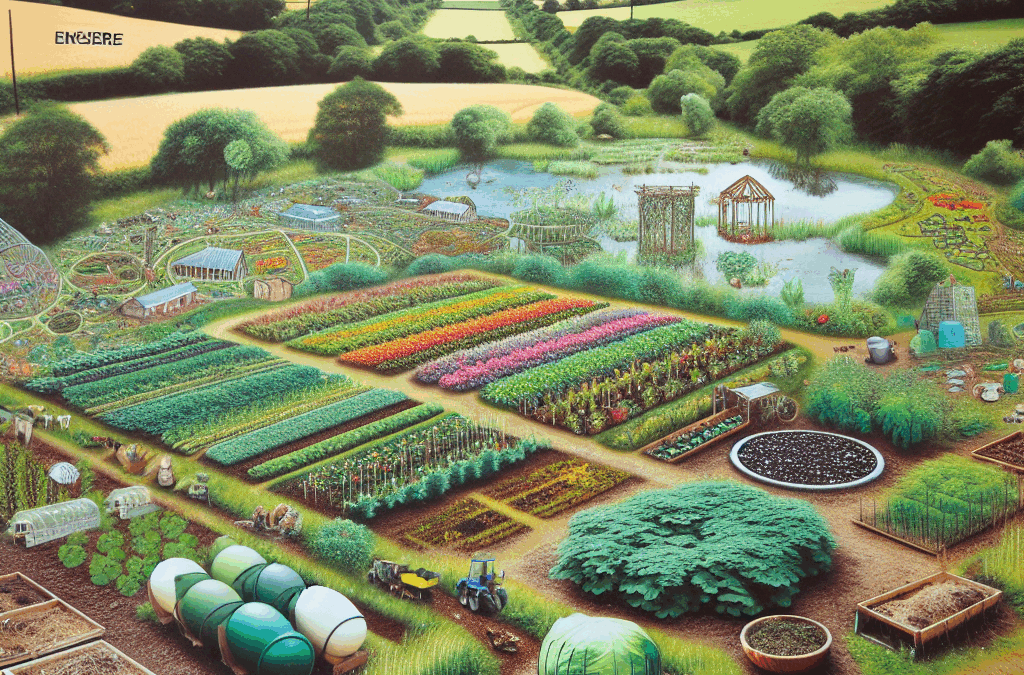
One of the first steps in establishing a cut flower garden is to assess your growing conditions. This includes evaluating sunlight, soil quality, and water availability. Most cut flowers thrive in well-drained soil with ample sunlight, so it’s essential to prepare your garden bed accordingly. Additionally, planning your garden layout will help you maximize space and ensure that taller plants do not overshadow shorter ones, which is a common mistake.
Another crucial aspect is selecting the right flower varieties. Consider growing a mix of annuals and perennials to ensure continuous blooms throughout the growing season. Popular choices include sunflowers, zinnias, and dahlias for annuals, and peonies, coneflowers, and hydrangeas for perennials. Understanding the bloom times and growth habits of these flowers will help you create a garden that provides cutting opportunities from spring through fall.
Choosing the Right Location and Soil
Choosing the right location for your cut flower garden is vital for success. Most cut flowers require at least six hours of direct sunlight daily, so select a spot that receives ample sun. Additionally, the soil should be well-draining and rich in organic matter. Conducting a soil test can provide insights into nutrient levels and pH, allowing you to amend the soil appropriately.
To improve soil quality, consider adding compost or well-rotted manure before planting. This will not only provide necessary nutrients but also enhance soil structure, promoting better drainage and root development. Pay attention to the specific needs of the flowers you select, as some may prefer slightly acidic or alkaline conditions.
Common mistakes include planting in shaded areas or using compacted soil, which can hinder flower growth. Prioritize soil preparation and location selection to set a strong foundation for your cut flower garden.
Selecting Flower Varieties
When selecting flower varieties for your cut flower garden, choose a mix that offers a range of colors, shapes, and bloom times. Annuals such as cosmos, snapdragons, and marigolds can provide quick color, while perennials like lilies and delphiniums can add structure and longevity to your garden.
Consider your local climate and growing zone when choosing flowers. Some flowers perform better in specific climates, so researching which varieties thrive in your area can save time and effort. Additionally, grouping flowers by their bloom times can create a staggered harvest schedule, ensuring that you have fresh blooms available throughout the season.
A common pitfall is planting only a few varieties, which can lead to gaps in blooms at different times of the year. Aim for diversity to keep your garden visually appealing and productive.
Planting and Care Techniques
Proper planting techniques are essential for healthy cut flowers. Follow the recommended spacing guidelines for each variety to avoid overcrowding, which can lead to disease and poor air circulation. Watering is also crucial; young plants require consistent moisture to establish strong roots, while established plants can tolerate some drought.
Regular maintenance, including deadheading spent blooms and controlling pests, will help keep your flowers healthy. Consider using organic pest control methods to protect beneficial insects while managing pests effectively. Mulching around plants can help retain moisture and suppress weeds, contributing to overall plant health.
Many gardeners overlook the importance of fertilization. A balanced, slow-release fertilizer can provide essential nutrients throughout the growing season. Monitor your plants’ health and adjust care practices as needed based on their growth and environmental conditions.
Harvesting and Arranging Flowers
Harvesting flowers at the right time is crucial for maximizing their vase life. Generally, flowers should be cut in the morning when they are fully hydrated. Look for blooms that are just beginning to open, as these will continue to open in the vase. Use sharp shears to make a clean cut and avoid damaging the plant.
After cutting, place flowers in water immediately to prevent wilting. Remove any leaves that will be submerged in water to reduce bacterial growth. Once you have harvested your flowers, experiment with different arrangements to create stunning bouquets. Mixing various shapes, colors, and textures can enhance the visual appeal of your arrangements.
A common mistake is not conditioning flowers before arranging. Conditioning involves allowing cut stems to take up water in a clean bucket for several hours before arranging them. This step helps ensure that your flowers remain fresh and vibrant in the vase.
Further Reading
Authoritative Sources
- Cut Flower Production
extension.purdue.eduPurdue University ExtensionThis resource provides detailed guidelines on cut flower production, including best practices for growing and harvesting
- Cut Flowers for the Home Garden
extension.umn.eduUniversity of Minnesota ExtensionA comprehensive guide on selecting and caring for cut flowers in home gardens
Frequently Asked Questions
What are the best flowers for cut flower gardening?
Some of the best flowers include sunflowers, zinnias, dahlias, and peonies, as they provide vibrant colors and long-lasting blooms.
How do I care for cut flowers after harvesting?
Keep cut flowers in a cool location, remove any leaves submerged in water, and change the water every few days to prolong their vase life.
When is the best time to harvest flowers?
The best time to harvest flowers is in the early morning when they are fully hydrated, just before they open for optimal freshness.
How often should I water my cut flower garden?
Water your cut flower garden regularly, especially during dry spells, ensuring the soil remains consistently moist but not waterlogged.
Can I grow cut flowers in containers?
Yes, many cut flowers can be successfully grown in containers, provided they receive adequate sunlight and proper care.
Conclusion
Starting a cut flower garden can be a rewarding endeavor that provides beauty and joy throughout the growing season. By selecting the right location, choosing diverse flower varieties, and implementing proper care techniques, you can create a flourishing garden. Remember to prioritize harvesting at the right time and conditioning your flowers for arrangements. With attention to detail and care, your cut flower garden can thrive, offering vibrant blooms for your home and special occasions.


