Now retrieving an image set.
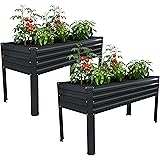
Vengarus Galvanized Raised Garden Bed Outdoor with Legs,48×18×30in Metal Elevated Raised Planter Box for Backyard, Patio, Balcony, 300lb Capacity,Black(2PCS)
$79.59 (as of 08:26 GMT -05:00 - More infoProduct prices and availability are accurate as of the date/time indicated and are subject to change. Any price and availability information displayed on [relevant Amazon Site(s), as applicable] at the time of purchase will apply to the purchase of this product.)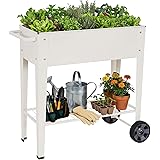
Now retrieving an image set.
BIRDSINYARD Elevated 32" Tall Raised Garden Bed with Legs and Wheels for Mobility, Metal Planter Boxes Outdoor with Shelf, Raised Bed for Gardening Vegetables/Herbs, Backyard, Patio, Balcony, White
$54.99 (as of 08:26 GMT -05:00 - More infoProduct prices and availability are accurate as of the date/time indicated and are subject to change. Any price and availability information displayed on [relevant Amazon Site(s), as applicable] at the time of purchase will apply to the purchase of this product.)A practical guide to growing dwarf fruit trees in pots
Growing your own fruit can be an incredibly rewarding experience, especially for those short on space. In this practical guide to growing dwarf fruit trees in pots, we’ll explore how to cultivate delicious fruits right from your balcony or patio. Dwarf fruit trees are perfect for small spaces, providing all the benefits of fruit gardening without the need for a sprawling yard. This guide will equip you with the knowledge and skills to successfully grow, maintain, and harvest your very own dwarf fruit trees in pots.
Imagine stepping out onto your patio and picking fresh, juicy apples or plump cherries right from your own tree. Sounds delightful, doesn’t it? This practical guide to growing dwarf fruit trees in pots will walk you through the entire process, from selecting the right trees to ensuring they thrive in their container homes.
Why Choose Dwarf Fruit Trees?
Dwarf fruit trees are an excellent option for urban gardeners or those with limited outdoor space. Here are several compelling reasons to consider them:
– Space Efficiency: These compact trees can be grown in pots, making them suitable for patios, balconies, and small yards.
– Easier Maintenance: Their smaller size generally means less pruning and less hassle when it comes to harvesting.
– Faster Fruit Production: Dwarf varieties often bear fruit more quickly than standard-sized trees, allowing for quicker gratification.
– Variety: Many dwarf fruit trees are available, including apples, peaches, and citrus, offering a range of flavors and options.
Each of these factors contributes to the appeal of dwarf fruit trees, making them a practical choice for anyone eager to start a fruit garden in a limited space.
Selecting the Right Dwarf Fruit Trees
Choosing the right dwarf fruit tree is crucial for success. Here’s a step-by-step approach to selecting the perfect variety:
1. Consider Your Climate:
– Research what types of fruits thrive in your area. For example, citrus trees do well in warmer climates, while apples might be better suited for cooler regions.
2. Evaluate Space:
– Measure the area where you plan to place your pot. Ensure you select a tree that won’t outgrow its container.
3. Fruit Preferences:
– Think about your favorite fruits. Would you prefer a tree that produces sweet cherries or zesty lemons? Your personal preferences should guide your selection.
4. Purchase from Reputable Sources:
– Look for local nurseries or reputable online suppliers that specialize in dwarf varieties to ensure healthy plants.
By taking these factors into account, you can make an informed decision, setting the stage for fruitful gardening.
A Practical Guide to Growing Dwarf Fruit Trees in Pots: Best Varieties
Here are some of the best dwarf fruit trees to consider for pot cultivation:
– Dwarf Meyer Lemon: Known for its fragrant blossoms and sweet fruit, this tree thrives in pots and is perfect for sunny balconies.
– Bonanza Dwarf Peach: This tree produces beautiful pink flowers and delicious peaches, growing to just 3-4 feet tall.
– Gardener’s Delight Cherry: Ideal for small spaces, this cherry tree is self-pollinating and yields sweet, juicy fruits.
Selecting the right variety is essential in your journey of growing dwarf fruit trees in pots.
Essential Potting Techniques
Proper potting is vital for the health of your dwarf fruit tree. Here’s how to set up your tree for success:
– Choose the Right Pot:
– Select a pot that is at least 12-16 inches in diameter and deep enough to accommodate the root system. Ensure it has drainage holes to prevent waterlogging.
– Use Quality Potting Mix:
– A well-draining potting mix is essential. Consider a blend specifically designed for fruit trees or add perlite to regular potting soil for better drainage.
– Planting Steps:
1. Fill the pot with potting mix, leaving about 2 inches of space at the top.
2. Remove the tree from its nursery pot, gently loosening the roots if they are tightly bound.
3. Place the tree in the center of the pot and fill around it with more potting mix, ensuring the root ball is level with the soil surface.
4. Water thoroughly after planting, allowing excess water to drain out.
Mastering these potting techniques will greatly increase the chances of your tree thriving in its new home.
Maintenance and Care Tips
Once your dwarf fruit tree is potted, proper care is essential. Here’s a practical guide to maintaining your tree:
Watering
– Water your tree deeply but infrequently, allowing the top inch of soil to dry out between waterings.
– During hot months, you may need to increase your watering frequency. Always check the soil moisture before watering.
Fertilization
– Use a balanced fertilizer formulated for fruit trees, applying it according to the package instructions.
– Fertilization should occur in the spring when the tree is beginning its growth cycle.
Pruning and Harvesting
– Prune your dwarf fruit tree in late winter or early spring to maintain its shape and encourage new growth.
– Harvest fruits as they ripen, which can vary by type. For example, cherries should be picked when they are fully colored and firm to the touch.
Following these maintenance tips will help you enjoy a fruitful harvest and keep your trees healthy for years to come.
References and Resources
These resources provide valuable information about A practical guide to growing dwarf fruit trees in pots. Check them out for additional insights:
Authoritative Sources on A practical guide to growing dwarf fruit trees in pots
-
Dwarf Fruit Trees
extension.umn.eduComprehensive guide from the University of Minnesota Extension on selecting and caring for dwarf fruit trees.
-
Dwarf Fruit Trees: Growing Guide
gardeners.comA detailed guide covering various dwarf fruit trees, their care, and ideal growing conditions.
-
Best Dwarf Fruit Trees
goodhousekeeping.comAn overview of the best dwarf fruit trees, including tips on selecting and maintaining them.
-
Dwarf Fruit Trees Overview
arborday.orgResource from the Arbor Day Foundation detailing the benefits and care of dwarf fruit trees.
-
Dwarf Fruit Trees for Small Spaces
houzz.comInsightful article showcasing 10 varieties of dwarf fruit trees ideal for small spaces.
Get a free subscription to PREPARE – with more gardening and homesteading tips!
Frequently Asked Questions
What are dwarf fruit trees?
Dwarf fruit trees are scaled-down versions of standard fruit trees, designed to grow to a smaller size while still producing full-sized fruit. They are perfect for container gardening and small spaces.
How do I care for dwarf fruit trees in pots?
Care includes regular watering (allowing the topsoil to dry out), fertilizing during the growing season, and pruning to maintain shape and health. Follow A practical guide to growing dwarf fruit trees in pots for detailed care instructions.
Can I grow multiple dwarf fruit trees in one pot?
It’s generally not recommended to grow multiple trees in one pot, as they can compete for nutrients and space. Instead, opt for separate pots to ensure each tree thrives.
What is the best time to plant dwarf fruit trees?
The best time to plant dwarf fruit trees is in the spring after the last frost or in the fall before the first frost. This timing allows the trees to establish their roots in cooler weather.
What are some common diseases affecting dwarf fruit trees?
Dwarf fruit trees can be susceptible to diseases like powdery mildew and root rot. Regular monitoring and good cultural practices can help prevent these issues.
Conclusion
In summary, this practical guide to growing dwarf fruit trees in pots has outlined essential information to embark on your fruit-growing journey. From choosing the right varieties to providing the best care, you now have the tools to cultivate a thriving fruit garden in your small space.
Whether you’re looking to enjoy fresh fruits or simply want to enhance your outdoor living area, dwarf fruit trees offer a delightful solution. Start your gardening adventure today and savor the satisfaction of homegrown fruit in a compact, manageable way.
Get a free subscription to PREPARE – with more gardening and homesteading tips!
Related Content
- Environmental group wants stronger water protections for Norridgewock landfill expansion
- PetrSU is a participant in the wastewater treatment project
- Leaders, business owners share how they’re making a difference this Earth Day
- The Rumford Gardener DR5000 6-Piece Telescoping Pruning/Lopping Garden Tool Set with Case
- First pumpkin composting drop-off available this year | Review Times The Ottawa Sandusky …