
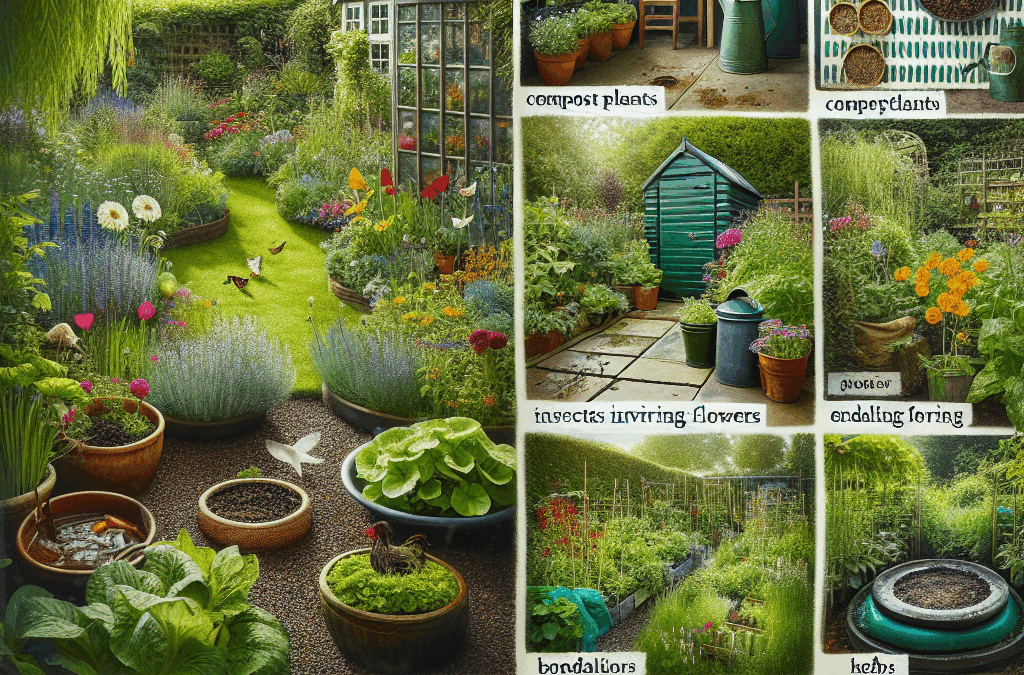
To successfully establish a drought tolerant food garden, it’s vital to understand the local climate, soil conditions, and plant options available. Native plants are often the best choice as they are adapted to local conditions and require less water. Additionally, utilizing techniques such as mulching and drip irrigation can significantly reduce water usage and promote healthier plants.
One common mistake is underestimating the importance of soil health. Healthy soil retains moisture better and provides essential nutrients to plants. Therefore, incorporating organic matter and using cover crops can greatly enhance soil structure and fertility, which is crucial for a drought tolerant garden.
Choosing the Right Plants
Selecting the right plants is the cornerstone of a drought tolerant food garden. Opt for native and drought-resistant species that thrive in your local climate. These plants are typically more resilient, requiring less water and maintenance.
Consider incorporating a variety of crops such as succulents, herbs, and vegetables that are known for their drought tolerance. For example, plants like lavender, rosemary, and certain varieties of tomatoes can flourish with minimal water. Understanding the growth habits and water needs of these plants can help you create a more efficient garden.
Additionally, grouping plants with similar water needs can optimize irrigation efforts. Many gardeners overlook the importance of plant selection, leading to poor garden performance and unnecessary water usage. Prioritize plants that are well-suited for your specific environment.
Soil Preparation Techniques
Preparing soil effectively is vital for a drought tolerant garden. Start by enhancing soil structure with organic amendments such as compost, which improves moisture retention and nutrient availability.
Incorporating mulch can also help reduce evaporation and regulate soil temperature. A layer of organic mulch, such as wood chips or straw, can keep the soil moist longer and suppress weeds that compete for water. It’s important to regularly assess soil health and make necessary adjustments to ensure optimal growing conditions.
Many gardeners fail to recognize the role of soil in water conservation. Testing soil pH and nutrient levels can provide insights into what amendments are needed. Focus on building a solid foundation to support your plants’ growth.
Effective Irrigation Methods
Implementing efficient irrigation techniques is crucial for a drought tolerant food garden. Drip irrigation systems are highly effective as they deliver water directly to the plant roots, minimizing waste.
Additionally, using rainwater harvesting systems can help collect and store water for dry periods. Regularly monitoring weather patterns can guide watering schedules, ensuring that plants receive the right amount of moisture without overwatering.
A common oversight is watering during the hottest parts of the day, which can lead to high evaporation rates. Watering early in the morning or late in the evening can maximize water absorption and reduce waste.
Maintenance and Care
Maintaining a drought tolerant garden requires ongoing care and attention. Regularly check for pests and diseases, as stressed plants can become more susceptible to infestations.
Implementing a routine check on soil moisture levels can help determine when to water, ensuring plants receive adequate hydration without overdoing it. Additionally, pruning and removing dead foliage can improve air circulation, promoting healthier plant growth.
Many gardeners neglect the importance of ongoing maintenance, which can lead to decreased plant health and productivity. Prioritize regular monitoring and adjustments to maintain a thriving garden.
Further Reading
Authoritative Sources
- USDA Natural Resources Conservation Service
nrcs.usda.govThis resource provides valuable information on soil health and sustainable gardening practices
- EPA WaterSense
epa.govOffers guidelines on efficient water use and drought management strategies
- Harvard Extension School Blog
extension.harvard.eduDiscusses practical steps for creating drought tolerant gardens
Frequently Asked Questions
What are the best plants for a drought tolerant garden?
Some of the best plants include succulents, lavender, rosemary, and certain tomato varieties, as they thrive with minimal water.
How can I improve soil moisture retention?
Incorporate organic matter like compost and use mulch to improve soil structure and retain moisture.
What irrigation methods are most effective for drought gardens?
Drip irrigation systems are highly effective as they deliver water directly to plant roots, reducing waste.
How often should I water a drought tolerant garden?
Watering should be done based on soil moisture levels, typically early in the morning or late in the evening to minimize evaporation.
What common mistakes should I avoid in a drought tolerant garden?
Avoid overwatering, neglecting soil health, and failing to choose the right plants suited for your local climate.
Conclusion
A practical plan for a drought tolerant food garden involves careful selection of plants, effective soil preparation, and efficient irrigation methods. By focusing on these elements, gardeners can create sustainable and productive spaces that thrive even in challenging conditions. Regular maintenance and attention to detail will ensure your garden remains healthy and resilient. Start implementing these strategies today to enjoy a fruitful harvest without the constant worry of water scarcity.


