Now retrieving an image set.
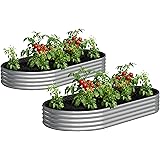
Yortrek 2PCS 8x4x1FT Galvanized Raised Garden Bed Kit,Vegetable Boxes-Oval Metal Flower Box,Large Planter Raised Beds Outdoor Garden for Planting,Fruit,Herb-Silver
$64.99 (as of 08:19 GMT -05:00 - More infoProduct prices and availability are accurate as of the date/time indicated and are subject to change. Any price and availability information displayed on [relevant Amazon Site(s), as applicable] at the time of purchase will apply to the purchase of this product.)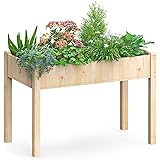
Now retrieving an image set.
DUMOS Raised Garden Bed with Legs, 48x24x30in Wood Elevated Planter Box w/Bed Liner for Herbs Flowers Vegetables, 300lbs Capacity Outdoor Gardening Planters for Patio Balcony Backyard, Natural Wood
$49.96 (as of 12:58 GMT -05:00 - More infoProduct prices and availability are accurate as of the date/time indicated and are subject to change. Any price and availability information displayed on [relevant Amazon Site(s), as applicable] at the time of purchase will apply to the purchase of this product.)- 1. Use Organic Soil Amendments
- 2. Practice Companion Planting
- 3. Incorporate Natural Pest Control
- 4. Opt for Organic Seeds and Plants
- 5. Compost Food Scraps and Garden Waste
- 6. Implement Water Conservation Techniques
- 7. Use Mulch to Retain Soil Moisture
- 8. Rotate Crops Annually
- 9. Educate Yourself on Local Organic Regulations
- 10. Keep a Gardening Journal
In 2025, backyard organic gardening is more popular than ever before, thanks to a growing interest in sustainable living and health-conscious choices. If you’re looking to shift towards more eco-friendly practices, mastering key backyard organic gardening tips is essential. These tips not only promote healthier plants but also protect the environment and save you money. In this comprehensive guide, I will share the top 10 backyard organic gardening tips that will help you cultivate a thriving and sustainable garden this year and beyond.
1. Use Organic Soil Amendments
Choosing the Right Amendments
Healthy soil is the foundation of any successful organic garden. Instead of synthetic fertilizers, opt for organic soil amendments like compost, aged manure, or seaweed extracts. These materials enrich the soil naturally, providing essential nutrients without harmful chemicals. In 2025, understanding the soil’s needs through simple tests can greatly enhance your gardening outcomes.
For example, adding well-composted manure improves soil structure and boosts microbial activity, making nutrients more accessible to plants. Organic amendments also help retain soil moisture and suppress weeds, creating an ideal environment for your plants to thrive.
Applying Amendments Effectively
Apply amendments at the right time, usually in early spring or after harvest. Spread a layer of compost about 2-3 inches deep and mix it gently into the topsoil. This process not only supplies nutrients but also improves aeration and drainage.
In 2025, precision is key â over-amending can lead to nutrient runoff, so follow a soil test guide (available at local extension offices) for tailored recommendations. Your backyard organic gardening tips should always prioritize soil health as the backbone of plant vitality.
2. Practice Companion Planting
The Benefits of Companion Planting
Companion planting involves growing certain plants together that benefit each other naturally. This technique reduces pest issues, enhances growth, and improves flavor â all without chemicals. For example, planting basil near tomatoes can repel pests like aphids and improve tomato flavor.
In 2025, studies show that companion planting can increase yield by up to 25% and reduce the need for manual pest control. This approach aligns perfectly with the principles of backyard organic gardening tips by promoting biodiversity and ecological balance.
Popular Companion Combinations for 2025
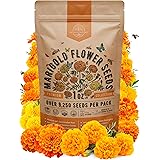
Some effective pairings include marigolds with vegetables to deter nematodes, and nasturtiums with cucumbers to attract beneficial insects. Planning your garden layout with these relationships in mind can lead to healthier plants and fewer pest problems.
Consider creating a planting chart or layout that maximizes natural pest control. Over time, observing how your plants interact can become a valuable part of your organic gardening routine.
3. Incorporate Natural Pest Control
Using Beneficial Insects and Biocontrols
Instead of chemical pesticides, encourage beneficial insects like ladybugs, lacewings, and parasitic wasps that naturally control pest populations. In 2025, installing insect hotels or planting pollen-rich flowers attracts these allies to your garden.
Moreover, biocontrol products containing naturally occurring organisms are available and effective for organic gardeners. Regularly monitoring pest activity allows you to intervene early, preserving your garden’s health.
Homemade Pest Repellents and Barriers
A simple spray made from garlic, neem oil, or hot peppers can deter many pests. Row covers and physical barriers also provide excellent protection without harming beneficial insects.
Applying these methods consistently and at the right time can significantly reduce pest damage, which is a cornerstone of backyard organic gardening tips for 2025.
Implementing integrated pest management strategies can keep pests under control while maintaining ecological balance â a vital point for sustainable gardening in 2025.
4. Opt for Organic Seeds and Plants
Choosing Certified Organic Seedlings
Starting with organic seeds ensures your plants grow without genetically modified traits or chemical residues. In 2025, many seed companies now offer certified organic options suitable for home gardeners.
Itâs important to source seeds from reputable suppliers that prioritize purity and sustainability, helping you avoid invasive or disease-prone varieties.
Growing from Seed or Transplants
Growing from seed is rewarding and cost-effective, but transplanting healthy organic seedlings can give you a head start. Always select seedlings that are free of pests and diseases, and avoid plants treated with synthetic chemicals.
Record your seed sources and varieties in a gardening journal. This practice helps refine your choices for future planting seasons, embodying the essence of effective backyard organic gardening tips for 2025.
5. Compost Food Scraps and Garden Waste
The Power of Composting
Composting is at the heart of backyard organic gardening tips, turning kitchen scraps and garden waste into nutrient-rich soil. In 2025, composting technology has become more accessible with tumblers, bins, and worm farms making it easier for beginners.
Effective composting reduces waste and improves soil fertility naturally. A well-maintained compost should smell earthy, be moist, and contain a balanced mix of greens and browns.
What to Compost and What to Avoid
Use vegetable peelings, coffee grounds, grass clippings, and shredded leaves. Avoid meats, dairy, or diseased plant matter that can attract pests or create odors.
Incorporate compost into your garden beds regularly, and you’ll notice healthier plants and greater yields â a key aspect of backyard organic gardening tips that emphasizes soil management.
6. Implement Water Conservation Techniques
Drip Irrigation and Soaker Hoses
Efficient watering is crucial for organic gardening. Drip irrigation systems and soaker hoses deliver water directly to plant roots, reducing waste and preventing overwatering. In 2025, smart timer systems help automate watering schedules based on weather data.
This ensures your plants receive consistent moisture, which is essential for organic health and productivity.
Get a free subscription to PREPARE – with more gardening and homesteading tips!
Mulching for Water Retention
Mulch not only suppresses weeds but also retains soil moisture. Organic mulches like straw, wood chips, or composted leaves are ideal choices to keep your soil moist and regulate temperature.
By conserving water, you support sustainable gardening practices, aligning with the key backyard organic gardening tips for eco-friendly and efficient gardening in 2025.
7. Use Mulch to Retain Soil Moisture
Choosing the Right Mulch
Organic mulches such as straw, shredded bark, or grass clippings are excellent for maintaining soil moisture and temperature. In 2025, organic mulching has proven to enhance plant growth by providing a steady environment for roots.
Mulch also helps reduce weeds and adds organic matter as it decomposes, enriching the soil naturally.
Application Tips
Apply mulch in a layer 2-3 inches thick around your plants, keeping it a few inches away from plant stems to prevent rot. Refresh mulch regularly to maintain effectiveness.
Adopting mulching as part of your backyard organic gardening tips results in healthier plants and lower maintenance efforts.
Mulching is a simple, cost-effective way to boost your gardenâs sustainability in 2025.
8. Rotate Crops Annually
The Importance of Crop Rotation
Rotating crops helps prevent soil depletion, reduces pest buildup, and minimizes disease cycles. In 2025, embracing crop rotation is part of best practices to maintain long-term soil health and productivity.
Plan to change the location of your vegetable families each year, avoiding planting the same crops in the same spot consecutively.
Planning Your Rotation Schedule
Create a simple chart to track what was planted where, and plan ahead for future seasons. This practice also helps you identify which plants perform best in your specific soil conditions.
Effective crop rotation is one of the foundational backyard organic gardening tips that promotes sustainable, resilient gardening systems.
9. Educate Yourself on Local Organic Regulations
Understanding Local Certification and Standards
In 2025, knowing local regulations about organic gardening and certifications can prevent legal issues and ensure your practices meet standards. Check with local agricultural extensions or organic certification bodies for guidance.
This knowledge empowers you to maintain transparency if you sell or share your produce, and promotes trust within your community.
Keeping Up with Trends and Resources
Attend local workshops, subscribe to organic gardening newsletters, and join community groups. Continuous learning helps you stay updated on new techniques and regulations.
Being well-informed is a vital backyard organic gardening tip that ensures your garden remains compliant and sustainable.
10. Keep a Gardening Journal
Tracking Your Progress
Recording planting dates, weather conditions, pest issues, and harvests helps you learn what works best. In 2025, digital or paper journals are equally effective tools for documenting your organic gardening journey.
This habit allows you to reflect on successes and challenges, leading to continuous improvement.
Setting Goals and Planning
Goals such as improving crop yields, reducing water use, or planting new varieties can be tracked over time. Use your journal to plan crop rotations, seed orders, and experiment with new techniques.
Practicing consistent record-keeping is a cornerstone of effective backyard organic gardening tips, leading to more fruitful seasons in 2025 and beyond.
Conclusion
Implementing these 10 backyard organic gardening tips is a sure way to elevate your gardening game in 2025. From enriching your soil with organic amendments to practicing crop rotation and natural pest control, each tip contributes to a healthier, more sustainable garden. Remember, the key to success is patience, observation, and continuous learning. By embracing these effective backyard organic gardening tips, you can enjoy thriving plants, fresh produce, and an eco-friendly lifestyle that benefits both your family and the planet. Let’s grow smarter and greener in 2025!
Frequently Asked Questions
1. What are the best organic gardening tips for beginners in 2025?
Focus on building healthy soil with organic amendments, starting with organic seeds, and practicing regular composting. Keep it simple and learn as you go!
2. How can I improve soil fertility naturally in my backyard?
Use compost, aged manure, and cover crops to enrich your soil organically. Avoid synthetic fertilizers to maintain ecological balance.
3. Why is crop rotation important in backyard organic gardening?
Crop rotation prevents soil depletion, reduces pest and disease buildup, and promotes long-term soil health, ensuring sustainable productivity.
4. How do backyard organic gardening tips help in pest management?
Using natural pest control methods like beneficial insects, companion planting, and organic repellents reduces reliance on chemicals, fostering an eco-friendly environment.
5. What are some cost-effective techniques for organic gardening in 2025?
Composting, mulching, seed saving, and water-saving methods like drip irrigation are all budget-friendly strategies to support your organic garden sustainably.