Now retrieving an image set.
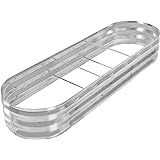
GADI 67-Inch Galvanized Raised Garden Bed, Metal Planter Box for Vegetables and Flowers, Large Outdoor Gardening Kit, Easy DIY Assembly, Weather-Resistant & Rust-Proof
$29.99 (as of 12:58 GMT -05:00 - More infoProduct prices and availability are accurate as of the date/time indicated and are subject to change. Any price and availability information displayed on [relevant Amazon Site(s), as applicable] at the time of purchase will apply to the purchase of this product.)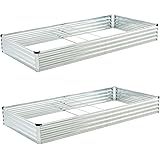
Now retrieving an image set.
Foxlang 8x4x1ft(2 PCS) Galvanized Raised Garden Bed,Outdoor Planter Box Metal Patio Kit Planting Bed for Vegetables Flowers Herb,Silver
$69.99 (as of 08:19 GMT -05:00 - More infoProduct prices and availability are accurate as of the date/time indicated and are subject to change. Any price and availability information displayed on [relevant Amazon Site(s), as applicable] at the time of purchase will apply to the purchase of this product.)- 1. Choose the Right Containers for Your Balcony Garden
- 2. Optimize Sunlight Exposure
- 3. Use High-Quality Soil Mixes
- 4. Consider Vertical Gardening Techniques
- 5. Implement Proper Watering Strategies
- 6. Select Suitable Vegetable Varieties for Small Spaces
- 7. Utilize Organic Fertilizers for Healthy Growth
- 8. Maintain Pest and Disease Control Naturally
- 9. Plan Your Plantings for Continuous Harvests
- 10. Keep Up with Regular Maintenance and Monitoring
1. Choose the Right Containers for Your Balcony Garden
Picking Durable and Suitable Pots
One of the fundamental balcony vegetable gardening tips is selecting the right containers. Durable, weather-resistant pots ensure your plants thrive despite outdoor conditions. For 2025, I recommend using containers made of materials like terracotta, plastic, or composite materials, which balance weight, durability, and affordability.
Ensure your chosen containers have adequate drainage holes to prevent waterlogging, which can lead to root rot. A good rule of thumb is to pick pots that are at least as wide as the mature root system of the plant. Bigger containers support larger yields and healthier roots.
For example, when growing tomatoes or peppers, use deep, wide pots to accommodate the root growth and provide stability. Using containers that match your plant’s needs boosts productivity and enhances your balcony’s aesthetics.
Maximize Space with Variety in Container Sizes
Using a mix of container sizes allows you to optimize space. Smaller pots are perfect for herbs like basil and cilantro, while larger ones suit root vegetables like carrots or zucchinis. Itâs efficient and keeps your balcony organized.
Vertical planters and stackable containers additional space, making it possible to grow more vegetables in limited areas. Consider using hanging baskets or wall-mounted planters for climbing plantsâideal balcony vegetable gardening tips for maximizing yield.
Remember, the right containers combined with proper placement can make a notable difference in your 2025 gardening success.
2. Optimize Sunlight Exposure
Understanding Your Balconyâs Sun Pattern
Sunlight is critical for thriving vegetable plants. Most vegetables need at least 6-8 hours of direct sunlight daily to produce a good yield. In 2025, assess your balconyâs sun exposure by observing how light moves throughout the day.
I recommend placing your containers where they receive maximum sunlight during the peak hours, typically late morning to early afternoon. Use a sunlight tracking app or simple observation to determine the best spots.
For balconies with limited direct sunlight, consider growing shade-tolerant vegetables like leafy greens, lettuce, or herbs. Adjust your gardening strategy based on light availability to ensure successful harvests.
Using Reflectors and Supplemental Lighting
If natural light is insufficient, enhance your balconyâs light with reflectorsâthink white walls, reflective stones, or aluminum foil behind plants to bounce light onto leaves. This simple trick can increase available light by up to 20%, boosting plant growth.
For more consistent results, especially in early spring or late fall, consider supplementing with LED grow lights designed for outdoor use. These can extend your growing season and improve yields significantly.
Properly optimizing sunlight is one of the most important balcony vegetable gardening tips for ensuring abundant harvests in 2025.
3. Use High-Quality Soil Mixes
Creating the Perfect Soil for Containers
Healthy soil is the foundation of successful balcony vegetable gardening tips. In 2025, I recommend using a high-quality potting mix tailored for containers. Look for mixes that are light, well-draining, and rich in organic matter.
A good mixture usually contains peat moss or coconut coir, compost, and perlite or vermiculite. This combination retains moisture while allowing excess water to drain, preventing root diseases.
Avoid garden soil, which is too dense for container plants, leading to poor aeration and growth issues. Regularly refresh your soil by top-dressing with compost or organic fertilizers to keep nutrients available.
Enhancing Soil Fertility Naturally
Incorporating organic amendments such as compost tea or worm castings into your soil fosters beneficial microorganisms, which improve nutrient uptake. For sustainable balcony gardening, organic fertilization aligns with eco-friendly practices gaining popularity in 2025.
Monitoring soil health with simple tests can inform you when to re-amend or replace your soil. Remember, nutrient-rich soil leads to healthier plants and better yields for your upcoming 2025 harvest.
4. Consider Vertical Gardening Techniques
Maximizing Space with Vertical Panels
Vertical gardening is one of the most innovative balcony vegetable gardening tips for small spaces. Using wall-mounted planters, trellises, or vertical garden towers, you can grow a variety of vegetables without sacrificing floor space.
For instance, climbing plants like beans, peas, or cucumbers thrive in vertical setups. Vertical gardens not only save space but also improve airflow, reducing disease risk and making maintenance easier.
Design your vertical garden with accessibility in mindâadjust height and placement for convenience. As we gear up for 2025, adopting vertical strategies can dramatically increase your yields per square foot.
Constructing DIY Vertical Gardens
You can build your own vertical garden using inexpensive materials such as wooden pallets, plastic pockets, or hanging baskets. YouTube tutorials and gardening blogs abound with step-by-step guides suited for balcony growers.
Ensure your vertical structures are securely anchored and provide adequate watering access. Automated drip irrigation systems can be integrated to make watering hassle-free.
Vertical garden setups amplify your gardening capacity, making them an essential tip for ambitious balcony vegetable gardeners in 2025.
5. Implement Proper Watering Strategies
Establishing Consistent Watering Habits
Proper watering is crucial for healthy vegetable growth. Overwatering can cause root rot, while underwatering stresses plantsâfinding the balance is key. In 2025, automated drip irrigation or self-watering containers are game-changers for balcony vegetable gardening tips.
I recommend checking soil moisture daily, especially during hot months, and adjusting watering schedule accordingly. Mulching with straw or cocoa husks can retain moisture, reducing water needs and keeping roots cool.
Consistent watering not only sustains plant health but also improves fruit and vegetable yields, making it a core aspect of successful balcony gardens in 2025.
Using Water-Saving Techniques
Collecting rainwater or recycling greywater for plant irrigation reduces environmental impact and lowers water bills. Water-efficient watering techniques ensure your balcony vegetables receive optimal hydration without excess waste.
Incorporating these watering strategies into your routine is a smart move for sustainable garden management in 2025 and beyond.
6. Select Suitable Vegetable Varieties for Small Spaces
Opting for Compact and Dwarf Varieties
Choosing the right vegetable varieties is one of the most important balcony vegetable gardening tips. In 2025, focus on compact, dwarf, or bush varieties that grow vigorously in limited space.
Examples include cherry tomatoes, compact peppers, baby carrots, and leaf lettuce. These varieties provide high yields within small containers and are easier to manage.
Get a free subscription to PREPARE – with more gardening and homesteading tips!
Research newer cultivars that offer disease resistance and higher productivity tailored for container growing. Selecting the right varieties ensures a fruitful and manageable balcony garden.
Timing Your Plantings for Peak Productivity
Plan your plantings around the seasons, ensuring you get continuous harvests. For example, stagger sowing of fast-growing greens every few weeks for a steady supply.
Utilize seasonal guides designed for balcony gardening to optimize your planting schedule. Proper timing, combined with suitable varieties, guarantees a productive 2025 season.
7. Utilize Organic Fertilizers for Healthy Growth
Natural Fertilization Options
Organic fertilizers are ideal for balcony vegetable gardening tipsâsafe, eco-friendly, and highly effective. In 2025, I recommend using compost, worm castings, fish emulsion, or seaweed extracts.
Apply these fertilizers regularly, following recommendations based on plant growth stages. Organic feeding promotes healthy roots, vibrant foliage, and generous yields.
Remember, over-fertilizing can harm your plants, so moderation is key for balanced growth and maximum productivity.
Creating Your Own Organic Fertilizers
Making compost or liquid feeds at home is easy and cost-effective. Collect kitchen scraps and yard waste to produce nutrient-rich compost that improves soil health.
For liquid fertilizers, steep seaweed or fish scraps in water for a few days, then strain and apply. These DIY fertilizers are excellent for giving your balcony vegetables a healthy boost in 2025.
8. Maintain Pest and Disease Control Naturally
Eco-Friendly Pest Management Strategies
Protecting your balcony vegetable garden from pests and diseases is vital. Use natural methods like neem oil, insecticidal soaps, or introducing beneficial insects such as ladybugs.
Regular inspections help catch problems early. Remove infected leaves and avoid over-fertilizing, which can attract pests.
In 2025, sustainable pest control aligns with eco-conscious gardening practices, ensuring your harvests are both abundant and safe.
Preventive Measures and Companion Planting
Companion planting, such as marigolds near tomatoes, can deter pests. Keeping your balcony tidy and removing debris reduces hiding spots for unwanted pests.
Introducing diverse plantings helps break pest cycles and promotes a healthier ecosystemâkey balcony vegetable gardening tips to stay ahead of issues in 2025.
9. Plan Your Plantings for Continuous Harvests
Succession Planting Techniques
To maximize your 2025 yield, plan for succession plantingâsowing new crops as others mature. This way, you can enjoy fresh vegetables throughout the growing season.
For example, plant lettuce or radishes every 2-3 weeks to ensure a steady supply. Staggering plantings avoids glut and ensures continuous harvests.
Use planting charts or calendar apps tailored for balcony gardening to organize your efforts and optimize space.
Season Extension Tips
In colder months, consider using mini-greenhouses, cloches, or thermal blankets to extend your growing season. These techniques help keep your balcony garden productive well into late fall and early spring.
In 2025, leveraging season extension is one of the smartest balcony vegetable gardening tips for increasing seasonal yields.
10. Keep Up with Regular Maintenance and Monitoring
Daily Checkups and Care
A key to successful balcony vegetable gardening tips is consistent maintenance. Daily checks for water needs, pests, and plant health prevent small issues from becoming major problems.
Prune dead or yellowing leaves, stake tall plants, and keep containers clean. Regular care nurtures vigorous growth and high yields in 2025.
Implement a simple routine that fits your scheduleâthis habit will greatly improve your results.
Tracking Growth and Yields
Keeping notes or using gardening apps can help you learn what works best for your balcony garden. Record crop timings, pest occurrences, and successful varieties.
This data-driven approach allows you to fine-tune your techniques and boost productivity over time, making each year better than the last.
Conclusion
Implementing these balcony vegetable gardening tips can significantly boost your harvest in 2025. From selecting the right containers, optimizing sunlight, and choosing suitable varieties, to natural pest control and continuous maintenanceâeach tip builds on the next for a thriving balcony garden. Remember, patience and consistent effort are key. Whether you’re a seasoned gardener or just starting out, these strategies will help you achieve abundant and delicious vegetables right from your balcony. Happy gardening!
Frequently Asked Questions
1. How can I maximize my balcony space for vegetable gardening in 2025?
Use vertical gardening, hanging baskets, and stacking containers to make the most of limited space. Planning evenly spaced crops with compact varieties also boosts yields in small areas.
2. What are some easy vegetables to grow on a balcony?
Herbs like basil, parsley, and cilantro; leafy greens such as lettuce and spinach; and compact vegetables like cherry tomatoes, peppers, and radishes are great options for balcony gardens.
3. How often should I water my balcony vegetable plants?
Water needs depend on the plant type and weather, but generally, check soil moisture daily. Aim for consistent, even wateringâallow soil to dry slightly between waterings.
4. Can I grow vegetables year-round on my balcony?
With season extension techniques like mini-greenhouses and thermal covers, you can prolong your growing season and harvest vegetables year-round, especially in mild climates or indoors.
5. What is the best way to control pests naturally in a balcony garden?
Use organic solutions like neem oil, introduce beneficial insects, and practice good hygiene. Companion planting and regular inspection are also effective to keep pests at bay.