Now retrieving an image set.
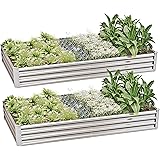
Kinddeer 8x4x1ft(2 Pack) Galvanized Raised Garden Bed Kit, Galvanized Planter Garden Boxes Outdoor, Metal Raised Garden Beds for Vegetables,Fruits, Flower,Silver
$61.55 (as of 08:19 GMT -05:00 - More infoProduct prices and availability are accurate as of the date/time indicated and are subject to change. Any price and availability information displayed on [relevant Amazon Site(s), as applicable] at the time of purchase will apply to the purchase of this product.)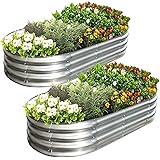
Now retrieving an image set.
AmazStove Galvanized Raised Garden Bed Kit, Planter Garden Boxes Outdoor, Oval Large Metal for Vegetables Fruits, Flowers Planter Boxes, Easy Assembly Garden Bed Kit 4x2x1 FT (2-Pack)
$39.99 (as of 12:58 GMT -05:00 - More infoProduct prices and availability are accurate as of the date/time indicated and are subject to change. Any price and availability information displayed on [relevant Amazon Site(s), as applicable] at the time of purchase will apply to the purchase of this product.)
Table of Contents
- 1. Choose the Right Containers
- 2. Select Appropriate Plants
- 3. Use Quality Soil and Fertilizers
- 4. Ensure Proper Sunlight Exposure
- 5. Water Consistently and Correctly
- 6. Master Basic Pest Management
- 7. Optimize Drainage for Healthy Roots
- 8. Plan for Seasonal Changes
- 9. Practice Regular Maintenance
- 10. Keep Learning and Experimenting
1. Choose the Right Containers
Selecting the Best Materials
When starting your container gardening journey, selecting the right containers is crucial. In 2025, options range from classic terra cotta and ceramic pots to modern composite materials. Each has its pros and cons. For example, terra cotta is porous, allowing moisture exchange, but can dry out quickly. Plastic containers are lightweight and retain moisture well, making them ideal for beginners.
Consider the size of your plants and space limitations. Larger containers provide ample room for root growth and are better for herbs, vegetables, or flowering plants. Look for durable, weather-resistant containers if you’re gardening outdoors, especially in climates with harsh winters or hot summers.
Pro tip: Adding drainage holes is essential, regardless of container material, to prevent waterlogging and root rot. For a DIY touch, you can drill your own holes or choose pre-drilled options available at local garden centers. Using the right containers sets the foundation for successful container gardening in 2025 and beyond.
2. Select Appropriate Plants
Choosing Plants for Beginners
In the beginner guide to container gardening, selecting plants that thrive in containers and are easy to care for is a smart first step. Think herbs like basil, mint, and parsleyâtheyâre forgiving, grow fast, and are useful in kitchens. For flowering plants, marigolds, petunias, and pansies are excellent choices for beginners.
Additionally, consider your climate zone and sunlight availability. For instance, succulents and cacti are great for sunny, dry areas, while ferns and begonias prefer shade and moisture. The key is to pick low-maintenance plants that suit your space and climate in 2025.
Actionable tip: Mix and match plants for visual interest and biodiversity. Vertically growing herbs alongside trailing flowers can maximize limited space and create an inviting garden.
3. Use Quality Soil and Fertilizers
Understanding Soil Components
The foundation of healthy plants in container gardening starts with quality soil. In 2025, soilless mixes with organic matter are popular among beginners for their ease and effectiveness. Look for a potting mix that offers good drainage, aeration, and nutrient content.
Regular feeding is also essential. Use slow-release fertilizers or water-soluble options to provide consistent nutrients. For example, a balanced 10-10-10 fertilizer can support a variety of plants. Organic fertilizers, like compost tea or fish emulsion, are eco-friendly options gaining popularity in 2025.
Tip: Avoid garden soil in containers as it can compact and hinder root growth, leading to poor plant health. Always choose a specialized potting mix to ensure optimal growth conditions.
4. Ensure Proper Sunlight Exposure
Assessing Your Light Levels
Most plants thrive with sufficient sunlight, but understanding your spaceâs light patterns is vital. Use a sunlight tracker or observe your containers over a few days to determine available light hours. In 2025, smart garden tech can help measure light levels to optimize plant placement.
If your space is sun-drenched for 6-8 hours, choose sun-loving plants like tomatoes or peppers. Shadier areas are perfect for ferns, hostas, or certain flowers like impatiens. Proper sunlight helps prevent issues like legginess, poor flowering, or fruiting.
Pro tip: Rotate containers periodically to ensure even light exposure and promote balanced growth across all plants.
5. Water Consistently and Correctly
Developing a Watering Routine
Overwatering and underwatering are common mistakes among beginner container gardeners. In 2025, smart watering systems can monitor soil moisture levels remotely, making it easier to maintain optimal moisture. Until then, check soil moisture manually by feeling the top inch of soil.
An ideal watering schedule depends on your plant types, container size, and local climate. Typically, water when the top layer feels dry, but avoid letting containers sit in standing water. Proper watering encourages healthy root systems and prevents diseases.
Actionable tip: Use watering cans or self-watering containers for convenience. Mulching the soil surface can also help retain moisture and reduce watering frequency.
6. Master Basic Pest Management
Preventing and Addressing Pests
Common pests like aphids, spider mites, and whiteflies can intrude on your container garden. In 2025, integrated pest management (IPM) techniques combine biological, cultural, and physical controls for sustainable pest control.
Start with regular inspections, removing pests manually or using neem oil or insecticidal soap as organic solutions. Avoid chemical pesticidesâthey can harm beneficial insects and pollute your containers.
Pro tip: Keep your plants healthy with proper watering, fertilization, and airflow, making them less attractive to pests. Healthy plants are more resilient and easier to manage.
Get a free subscription to PREPARE – with more gardening and homesteading tips!
7. Optimize Drainage for Healthy Roots
Ensuring Good Water Flow
Drainage is critical to prevent root rot and other fungal diseases. In 2025, many containers come with built-in drainage systems, but if not, you can add gravel or broken pottery at the bottom before filling with soil.
Check that excess water can flow out freely after watering. Poor drainage can lead to waterlogged soil, which suffocates roots and hampers nutrient uptake. Good drainage promotes healthy, vigorous plants.
Practical tip: Elevate your containers slightly off the ground using pot feet or bricks to aid drainage and prevent excess moisture from accumulating.
8. Plan for Seasonal Changes
Adapting Your Container Garden
In 2025, forward planning can extend your gardening season and improve success rates. Use containers to grow vegetables in summer, then switch to festive fall flowers or herbs in cooler months.
Container gardens are ideal for seasonal planting because you can move them indoors or to sheltered locations when the weather turns cold. Selecting plants appropriate for each season enhances your enjoyment and productivity.
Pro tip: Use frost-resistant containers and protective covers to extend your growing season into late fall or early winter.
9. Practice Regular Maintenance
Keeping Your Garden Healthy
Consistent maintenance is key to thriving container gardens. In 2025, digital reminders or gardening apps can assist in scheduling watering, fertilizing, pruning, and pest inspections.
Remove dead or yellowing leaves promptly to prevent disease and encourage new growth. Pruning encourages bushier, more productive plants, especially for flowering species.
Lastly, repot plants when they outgrow their containers, which typically happens every 1-2 years. Repotting rejuvenates plants and gives their roots space to expand.
10. Keep Learning and Experimenting
Growing Your Container Gardening Skills
In 2025, staying curious and experimenting with new plants, soil mixes, or containers keeps your garden exciting and teaches you valuable lessons. Join online forums, local gardening clubs, or follow expert blogs that focus on beginner guide to container gardening.
Document your progress with a garden journal or photosâit helps identify what works and what doesnât. Seasonal experimentation can lead to discovering your own tips for a successful container garden.
Remember, even experienced gardeners learn by trying new things. The key is to enjoy the process and celebrate your successes!
Frequently Asked Questions
1. What is the beginner guide to container gardening?
The beginner guide to container gardening is a step-by-step resource designed to help newcomers learn how to grow plants successfully in containers, including choosing containers, plants, soil, watering, and maintenance practices.
2. How often should I water my container garden in 2025?
In 2025, watering frequency depends on your plant type, container size, and weather conditions. Generally, check the top inch of soil daily and water when it feels dry. Using smart moisture sensors can simplify this process.
3. How do I prevent my container plants from pests?
Implement integrated pest management techniques by inspecting plants regularly, removing pests manually, and using organic solutions like neem oil. Maintaining healthy plants also helps prevent infestations.
4. Can I grow vegetables in containers as a beginner?
Absolutely! Many vegetables like cherry tomatoes, peppers, and lettuce are easy to grow in containers, especially when following a beginner guide to container gardening. Choose the right size containers and provide proper care for the best results.
5. Why is the beginner guide to container gardening important in 2025?
As urban spaces grow and environmental awareness increases, container gardening offers an accessible way for everyone to enjoy fresh plants. The 2025 beginner guide equips new gardeners with the latest tips and trends for successful, sustainable gardening.
Conclusion
Embarking on your container gardening journey in 2025 can be rewarding and therapeutic. Using the essential tips from this beginner guide to container gardening, you can create a thriving, beautiful green space regardless of your experience level. Remember, success comes with patience, regular care, and a willingness to learn. Keep experimenting, stay inspired, and enjoy the many benefits of container gardening today and into the future!