Now retrieving an image set.
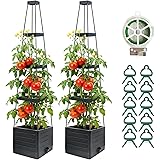
2 Pack Raised Garden Bed Planter Box with Trellis, 57" Self-Watering Tomato Planter with Trellis, Tomato Cage Plant Support for Climbing Plants Vegetable Vine Flowers Patio Outdoor Indoor
$29.99 (as of 08:19 GMT -05:00 - More infoProduct prices and availability are accurate as of the date/time indicated and are subject to change. Any price and availability information displayed on [relevant Amazon Site(s), as applicable] at the time of purchase will apply to the purchase of this product.)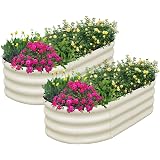
Now retrieving an image set.
SnugNiture Galvanized Raised Garden Bed Outdoor, 2 Pcs 4x2x1ft Oval Metal Planter Box for Planting Plants Vegetables, White
$51.99 (as of 12:58 GMT -05:00 - More infoProduct prices and availability are accurate as of the date/time indicated and are subject to change. Any price and availability information displayed on [relevant Amazon Site(s), as applicable] at the time of purchase will apply to the purchase of this product.)- Introduction
- Top 10 Best Herbs for Beginners in 2025
- Growing Tips for the Best Herbs for Beginners
- Frequently Asked Questions about the Best Herbs for Beginners
- Conclusion
Introduction
Embarking on a herb gardening journey in 2025? Finding the best herbs for beginners can make all the difference in enjoying fresh flavors and building confidence. These easy-to-grow herbs are perfect for novices and can thrive even with minimal space and experience.
Choosing the right herbs to start with ensures a rewarding experience and encourages continued gardening passion. Whether you have a small balcony or a backyard, these herbs will help you develop your green thumb quickly and effortlessly. Let’s explore the top picks to kickstart your herb garden this year!
Top 10 Best Herbs for Beginners in 2025
1. Basil
Why Basil Is Great for Beginners
Basil is one of the most popular herbs for beginner gardeners due to its fast growth and versatility in the kitchen. It thrives in warm conditions and needs only moderate watering, making it ideal for first-time herb growers.
Its aromatic leaves add flavor to countless dishes, from pesto to salads. Basil plants can be grown in pots or garden beds and typically mature within a few months, providing quick satisfaction for new gardeners.
Growing Tips for Basil
To successfully grow basil, choose a sunny location with at least 6 hours of direct sunlight daily. Make sure to keep the soil moist but well-drained to prevent overwatering, which basil dislikes.
Regular pinching of the top growth encourages bushier plants and more abundant leaf production. Harvesting frequently also prevents the plant from flowering too early, ensuring continuous fresh leaves.
2. Mint
Why Mint Is Perfect for Beginners
Mint is an incredibly hardy herb for beginners, known for its vigorous growth and resilience. It can grow indoors or outdoors with minimal care and is resistant to most pests and diseases.
Its fresh leaves are popular in teas, desserts, and savory dishes, making it a versatile addition to any herb garden. Mint’s rapid growth rate allows beginners to enjoy a plentiful harvest quickly.
Growing Tips for Mint
Plant mint in a container or a designated garden bed to control its spread, as it can quickly become invasive. It prefers moist, well-drained soil and partial to full sun exposure for optimal growth.
Regular harvesting stimulates new growth, and trimming back the stems encourages a lush, full plant. Be cautious with watering; keep the soil consistently moist but not soggy.
3. Parsley
Why Parsley Is a Top Choice for Beginners
Parsley is a beginner-friendly herb that grows slowly at first but becomes quite productive over time. It can be grown in containers or garden beds and tolerates various lighting conditions.
This herb is rich in nutrients and adds a fresh touch to many dishes, making it a staple for home cooks. Its low-maintenance nature makes it a great starting point for new herb gardeners.
Growing Tips for Parsley
Plant parsley in moist, well-drained soil with plenty of organic matter. It prefers partial shade in hotter climates but can also thrive in full sun with adequate watering.
Consistent harvesting of outer leaves encourages continued growth. Be patient, as parsley typically takes a few weeks to reach harvestable size.
4. Cilantro (Coriander)
Why Cilantro Is Easy for Beginners
Cilantro is a quick-growing herb perfect for beginner gardeners who want instant gratification. It prefers cooler weather and can be grown indoors or outdoors with ease.
Its bright, citrusy flavor is essential in many cuisines, from Mexican to Asian dishes. Cilantro’s fast germination and growth make it an excellent herb for beginners to try.
Growing Tips for Cilantro
Plant cilantro in well-draining soil with partial sun, especially in warmer climates. Keep the soil consistently moist and sow seeds directly into the ground or containers.
Since cilantro tends to bolt quickly in hot weather, providing some shade during the hottest part of the day can prolong its harvest. Harvest leaves regularly to encourage bushier growth.
5. Chives
Why Chives Are a Good Choice for New Gardeners
Chives are perennial herbs that require minimal attention, making them perfect for beginners. They grow slowly at first but establish a robust clump that keeps producing year after year.
Chives add a mild onion flavor to foods and are great fresh or in garnishes. Their low-maintenance nature and resilience make them a must-try for those new to herb gardening.
Growing Tips for Chives
Plant chives in well-drained soil with full sun to partial shade. They prefer consistent moisture but are quite tolerant of various soil types.
Regular harvesting by snipping the leaves encourages healthy growth and prevents flowering. Chives can be grown in containers, making them ideal for small spaces.
6. Oregano
Oregano for Beginner Gardeners
Oregano is a hardy, drought-tolerant herb that thrives with minimal care, making it perfect for beginners. It is especially suitable for sunny gardens and can be grown in pots as well.
This herb is a staple in Mediterranean cuisine and adds robust flavor to many dishes. Its low-maintenance needs and quick growth make it a favorite for novice growers.
Growing Tips for Oregano
Plant oregano in full sun in well-drained soil to prevent root rot. It prefers dry conditions once established, so avoid overwatering.
Get a free subscription to PREPARE – with more gardening and homesteading tips!
Prune regularly to promote bushier growth and prevent flowering, which can reduce leaf flavor. Oregano is best harvested by snipping leaves as needed throughout the season.
7. Thyme
Thyme—A Resilient Herb for Beginners
Thyme is a hardy, evergreen perennial that needs very little maintenance. It prefers sunny, well-drained locations and can thrive even in less-than-ideal conditions.
This herb adds depth to soups, stews, and roasted dishes. Its forgiving nature makes thyme an excellent choice for those just starting with herb gardening.
Growing Tips for Thyme
Plant thyme in full sun with well-drained, sandy soil. It tolerates drought well but benefits from occasional watering during dry spells.
Prune after flowering to keep plants bushy and productive. Harvest thyme sprigs as needed, and dry some for later use.
8. Lemon Balm
Why Lemon Balm Is Suitable for Beginners
Lemon balm is a fragrant herb with a gentle lemon scent, easy to grow and maintain. It is ideal for beginners due to its resilience and rapid growth.
This herb can be used fresh in teas, desserts, or as a garnish. It prefers partial shade but can also adapt to full sun with proper watering.
Growing Tips for Lemon Balm
Plant lemon balm in rich, moist soil, either outdoors or in containers. It benefits from regular watering and some fertilization.
Since it tends to spread, consider container planting to control its growth. Harvest leaves often to encourage continued vigor.
9. Rosemary
Rosemary for New Herb Gardeners
Rosemary is a versatile, drought-tolerant herb that can be a bit slow to establish but rewarding once mature. It thrives in warm, sunny spots and needs well-drained soil.
This aromatic herb elevates roasted dishes, breads, and stews. Its hardy nature makes it a great addition to any beginner’s herb collection in 2025.
Growing Tips for Rosemary
Plant rosemary in full sun with sandy or loamy soil that drains well. Avoid overwatering, as soggy roots can cause problems.
Prune regularly to shape the plant and encourage bushiness. Rosemary can be grown in pots, perfect for small spaces and indoor use.
10. Sage
Sage—A Beginner-Friendly Herb
Sage is a hardy perennial herb that offers aromatic leaves for cooking and medicinal uses. It is low-maintenance and tolerant of various growing conditions.
This herb is perfect for beginners who want a reliable, slow-growing herb that adds depth to savory dishes. Sage’s resilience makes it a staple for starting herb gardens in 2025.
Growing Tips for Sage
Plant sage in full sun with well-drained soil, and avoid excessive watering. Prune regularly to maintain shape and health.
Harvest leaves as needed, and dry some for later use. Sage can also be grown in containers for convenience and space-saving.
Frequently Asked Questions about the Best Herbs for Beginners
What are the easiest herbs for a complete beginner to grow?
Herbs like mint, chives, basil, and parsley are considered some of the easiest for beginners. They require minimal care, grow quickly, and are forgiving of minor mistakes. Starting with these can build confidence and set the foundation for a successful herb garden.
How can I ensure successful growth of the best herbs for beginners?
Choosing the right location, providing proper watering, and using quality soil are key factors. Most beginner herbs thrive in full sun and well-drained soil. Regular pruning and harvesting also promote healthy, productive plants.
What are common mistakes to avoid when growing herbs at home?
Avoid overwatering, planting in poor soil, and neglecting harvests. Overwatering can lead to root rot, while poor soil drainage hampers growth. Harvest properly to encourage bushiness and prevent flowering that might reduce leaf flavor.
Can I grow the best herbs for beginners indoors?
Absolutely! Many herbs like basil, mint, and parsley grow well indoors with sufficient light. Use sunny windows or grow lights, and ensure good airflow and proper watering. Indoor cultivation is a great way to enjoy fresh herbs year-round.
Why is 2025 a good year to start herb gardening?
With growing interest in homegrown produce and sustainable living, 2025 offers fresh opportunities for herb gardening. Advances in gardening tools and knowledge also make it easier for beginners to succeed. Starting now can greatly enhance your cooking and greenery experience.
Conclusion
Choosing the best herbs for beginners in 2025 is the perfect way to begin your gardening journey with success. These versatile, forgiving herbs will reward you with fresh flavors and increased confidence in your green thumb. No matter your space or experience level, starting with these herbs sets a solid foundation for a thriving herb garden—happy planting!
indoor vegetable gardening for beginners
Get a free subscription to PREPARE – with more gardening and homesteading tips!
Find out more information about “best herbs for beginners”
Search for more resources and information:
Related Content
- Biodegradable Dog Poop Bags, to Lower Your Plastic Consumption as a Pet Parent – Green Matters
- How to Grow Vegetables in a Garden
- Affinor Growers Provides Greenhouse Project and Market Update
- Household waste recycling rises during pandemic in parts of Cambs – The Hunts Post
- How To Grow A NEVER ENDING Supply Of CARROTS And PARSNIPS!