Now retrieving an image set.
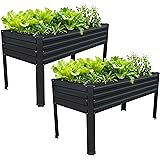
Easllre 2PCS 48×24×30in Galvanized Raised Garden Bed,Metal Elevated Planter Box with Legs for Patio,Balcony,Backyard,300lb Capacity,Black
$95.99 (as of 08:19 GMT -05:00 - More infoProduct prices and availability are accurate as of the date/time indicated and are subject to change. Any price and availability information displayed on [relevant Amazon Site(s), as applicable] at the time of purchase will apply to the purchase of this product.)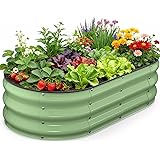
Now retrieving an image set.
Yumatum Raised Garden Bed 4×2×1 FT, Galvanized Metal Raised Planter Box, Vegetable Planting Container with Safety Edge Trim, Hardware & Gloves Included, Fruit Green for Backyard Patio Balcony
$23.99 (as of 08:19 GMT -05:00 - More infoProduct prices and availability are accurate as of the date/time indicated and are subject to change. Any price and availability information displayed on [relevant Amazon Site(s), as applicable] at the time of purchase will apply to the purchase of this product.)- 1. Organic Chopped Wood
- 2. Straw and Hay
- 3. Bark Mulch
- 4. Compost Mulch
- 5. Leaf Mulch
- 6. Coconut Coir
- 7. Gravel or Rocks
- 8. Shredded Paper
- 9. Pea Gravel Mulch
- 10. Recycled Rubber Mulch
1. Organic Chopped Wood
Benefits of Using Wood Mulch in Vegetable Gardens
Organic chopped wood is a traditional and popular choice for mulching vegetable gardens. It decomposes slowly, adding organic matter to the soil over time, which improves soil fertility and structure. In 2025, gardeners increasingly favor natural mulches like wood chips because they promote a healthy ecosystem below the surface.
Additionally, wood mulch helps retain soil moisture, reducing the need for frequent wateringâcrucial during dry spells. It also suppresses weed growth effectively, saving time and effort during garden maintenance. When selecting the best mulch for vegetable garden, chopped wood offers a durable and eco-friendly option.
For best results, opt for shredded or chipped hardwood, which lasts longer and doesnât quickly decompose. Mulching with organic wood also promotes beneficial microbial activity, boosting plantsâ resilience and growth potential.
Practical Tips for Using Wood Mulch
Apply a layer of 2-3 inches of wood chips around each plant, keeping mulch a few inches away from plant stems to prevent rot. Replenish the mulch as it breaks down, typically every 1-2 years. This ensures continuous weed suppression and moisture retention.
To avoid introducing disease or pests, use seasoned, untreated wood chips. Be cautious when sourcing mulch; select biodegradable, chemical-free options for the healthiest vegetable garden in 2025.
2. Straw and Hay
Advantages of Straw and Hay as Mulch
Straw and hay are excellent mulch options for vegetable gardens, especially in spring and summer. Straw, being the stalks of cereal crops, is lightweight, weed-free, and highly effective at conserving moisture and controlling weeds. Hay, which contains seeds, can introduce weeds if not properly selected or processed.
In 2025, many gardeners have adopted straw for its durability and ease of use. Itâs also inexpensive and readily available in most regions. When used correctly, straw can provide a natural, breathable barrier that keeps soil temperatures stable and prevents soil erosion during heavy rains.
For vegetable gardeners, straw mulch encourages aeration, which benefits root health, and deters pests that dislike dry, coarse materials around plants. Regular top-ups of straw mulch help maintain its effectiveness throughout the growing season.
Tips for Applying Straw and Hay Effectively
Apply a 3-4 inch thick layer of straw around vegetable plants, especially at the base of seedlings or young transplants. Be mindful to keep mulch a few inches away from the plant stems to prevent moisture-related diseases.
Choose straw that is free from herbicides or pesticides, as these chemicals can harm your vegetables. Mulch with straw or hay should be replenished every season or as it decomposes to maintain its protective qualities.
3. Bark Mulch
Why Bark Mulch is a Top Choice in 2025
Bark mulch, derived from shredded or chipped tree bark, is renowned for its longevity and natural appearance. Itâs especially favored in vegetable gardens for trees and larger plants due to its durability. In 2025, bark mulch is valued for its slow decomposition rateâsometimes lasting over a yearâmaking it one of the best mulch for vegetable garden if longevity is a priority.
This type of mulch also provides good insulation, helping regulate soil temperature during hot summers or cold winters. It suppresses weeds effectively, reducing competition for nutrients and water among crops.
Moreover, bark mulch improves soil aeration as it decomposes gradually, enriching the soil organically. Itâs a sustainable choice compatible with organic gardening principles, often sourced from recycled or sustainably harvested trees.
Usage Tips for Bark Mulch
Spread a layer of 2-3 inches around your vegetable plants, avoiding direct contact with stems to prevent rotting. Replenish as needed, especially after heavy rains or snow.
Always select high-quality, dye-free bark mulch to avoid chemicals leaching into the soil. Combining bark mulch with compost enhances fertility and creates an ideal environment for vegetable roots.
4. Compost Mulch
The Power of Compost as Mulch in 2025
Compost is arguably the most nutrient-rich mulch, providing immediate feeding for vegetable plants. In 2025, innovative composting techniques such as worm compost and hot composting make this option increasingly popular. Using compost as mulch improves soil health, enhances microbial activity, and boosts crop yields.
Unlike traditional mulches, compost adds vital nutrients directly to the plant roots, reducing the need for additional fertilizers. It also retains moisture and suppresses weeds, acting as a living mulch that benefits your entire vegetable garden.
To maximize benefits, apply a layer of 1-2 inches of well-decomposed compost around your vegetables, especially during planting or after harvest. It is best used in combination with other mulching materials for optimal results.
Practical Tips for Using Compost Mulch
Mix compost with straw or wood chips for a balanced approachânutrients combined with moisture and weed suppression. Replenish compost mulch regularly, especially during the growing season in 2025.
Ensure compost is fully decomposed to avoid attracting pests or causing plant diseases. Use certified organic compost for maximum safety and sustainability.
5. Leaf Mulch
Why Leaf Mulch Is a Natural and Cost-Effective Choice
Raked leaves are a readily available, eco-friendly mulch thatâs ideal for vegetable gardens. In 2025, many gardeners use shredded or whole leaves, especially during fall, to protect soil and promote healthy growth. Leaves add organic matter as they decompose, enriching the soil naturally.
Leaf mulch helps conserve soil moisture, keeps weeds at bay, and insulates roots from extreme temperatures. Itâs particularly beneficial for cool-season vegetables, providing shelter during early or late season cold snaps.
Using leaf mulch also reduces waste and promotes sustainability, making it one of the most environmentally friendly options for the best mulch for vegetable garden in 2025.
Applying Leaf Mulch Effectively
Shred leaves with a mower or chop them to speed decomposition. Spread a 2-4 inch layer around vegetables, avoiding direct contact with stems. Replenish as leaves break down or blow away.
Mix leaves with compost or other mulches for added nutrients and structure. Avoid using leaf mulches that contain chemical residues or herbicides.
6. Coconut Coir
Advantages of Coconut Coir as Mulching Material
Coconut coir, made from the husks of coconuts, is a sustainable and eco-friendly mulch option gaining popularity in 2025. It retains moisture exceptionally well, helping vegetable roots stay hydrated during hot or dry periods. Coir decomposes slowly, providing a long-lasting covering that suppresses weeds effectively.
Its neutral pH means it wonât alter soil acidity, making it suitable for a wide range of vegetable crops. Coir is also rot-resistant and resistant to pests and fungi, enhancing the overall health of your garden.
This versatile mulch is lightweight, easy to handle, and promotes aeration, leading to healthier root development in vegetables.
Get a free subscription to PREPARE – with more gardening and homesteading tips!
Practical Use of Coconut Coir
Spread a layer about 1-2 inches thick around your plants, ensuring the mulch doesnât block drainage holes or plant crowns. Coir can be combined with compost or organic matter for added fertility.
Replenish as it breaks down, typically every 2-3 years, to maintain moisture retention and weed suppression. Choosing high-quality, untreated coir ensures the best results.
7. Gravel or Rocks
Durability and Use of Gravel in Vegetable Garden Mulch
Gravel or small rocks might seem unconventional, but in 2025, theyâre increasingly used in vegetable gardens where long-term durability is a priority. They are ideal in hot climates, helping prevent soil evaporation and maintaining a stable temperature.
This inorganic mulch prevents weeds effectively and doesnât decompose, reducing maintenance. Gravel mulching is also excellent for pathways within a vegetable garden, providing a clean, organized look.
While they donât add nutrients, gravel and rocks are excellent for controlling erosion and keeping soil loose around perennial vegetables and root crops.
Application Tips and Considerations
Pour a layer of 2-4 inches of gravel around your vegetables, especially in arid regions. Use landscape fabric underneath to improve weed control.
Regularly check for debris and rinse off to prevent dirt buildup. Keep in mind, inorganic mulches wonât improve soil fertilityâconsider supplementing with organic matter.
8. Shredded Paper
Using Paper Mulch to Enhance Vegetable Gardens
Shredded paper is an inexpensive, readily available mulch thatâs especially useful in urban or small-space gardening. In 2025, shredded recycled paper is recognized as an effective way to suppress weeds, retain moisture, and improve soil health when used correctly.
Its carbon-rich composition decomposes over time, gradually enriching the soil with organic material. This makes shredded paper a sustainable choice aligned with eco-friendly gardening practices.
To use shredded paper effectively, apply a layer of 2-3 inches around vegetables, mixing it lightly with other organic mulches to expedite decomposition and prevent pest issues.
Best Practices for Shredded Paper Mulch
Avoid glossy or heavily colored paper, which may contain harmful chemicals. Always wet the paper after application to help it settle and suppress weeds better.
Layer shredded paper with compost or straw for added nutrients and improved appearance. Regularly check and replenish as it decomposes.
9. Pea Gravel Mulch
Benefits of Pea Gravel for Vegetable Garden Landscaping
Pea gravel, small rounded stones about the size of a green pea, is a popular mulch in 2025 for its aesthetic appeal and durability. Itâs excellent for pathways, around perennials, and in raised beds where sturdiness is desired.
Pea gravel helps potatoes and root vegetables stay cool, prevents soil erosion, and discourages weed growth without adding organic matter. Its reflective surface can also boost sunlight exposure for nearby plants.
While it doesnât improve soil fertility, pea gravel offers a low-maintenance, long-lasting solution for specific garden areas, especially in dry or rocky terrains.
Application and Tips
Spread a 2-3 inch layer around your vegetable plants, ensuring good drainage. It’s often combined with landscape fabric to enhance weed control.
Pea gravel doesnât decompose, so it requires minimal replacement but might need occasional raking to remove debris. Combine with organic mulches elsewhere to improve soil nutrition.
10. Recycled Rubber Mulch
Eco-Friendly and Durable Mulch Choice in 2025
Recycled rubber mulch is gaining popularity for its longevity and eco credentials. Made from recycled tires, it provides a resilient cover that lasts for many years without breaking down. In 2025, gardeners seeking a low-maintenance, durable mulch are turning to rubber mulch for their vegetable gardens.
It effectively suppresses weeds, retains moisture, and insulates soil temperature. Additionally, itâs resistant to pests, decay, and weather fluctuations. However, some gardeners prefer organic options, as rubber mulch doesnât decompose and enrich the soil.
Itâs best used in garden pathways, around perennials, or in areas where durability outweighs soil enrichment needs.
Usage Recommendations
Apply a 2-4 inch layer around garden beds, avoiding direct contact with plant stems to prevent rot or damage. Consider combining with organic mulches in vegetable-rich zones.
Ensure the mulch is free of chemical odors and select a reputable brand for safe gardening in 2025. Regularly clean to remove surface debris for continued effectiveness.
Conclusion
Choosing the best mulch for vegetable garden depends on your specific gardening needs, climate, and sustainability preferences. From organic options like straw, bark, and compost to durable inorganic choices like gravel or rubber, thereâs an ideal mulch for every gardener in 2025. Incorporating the right mulch not only enhances your gardenâs aesthetic but also promotes healthier, more productive vegetables by conserving moisture, suppressing weeds, and enriching your soil. As you plan your garden this year, consider these top 10 mulches to ensure a bountiful harvest in 2025!
Frequently Asked Questions
1. What is the best mulch for vegetable garden in 2025?
The best mulch for vegetable garden in 2025 varies based on your needs, but organic options like mulch made from shredded wood, straw, or compost are highly recommended for their soil-enriching qualities and sustainability.
2. How often should I replace mulch in my vegetable garden?
Organic mulches generally need replenishing every 1-2 years, depending on decomposition rate. Inorganic mulch like gravel or rubber mulch lasts longer but should be maintained to remove debris or weeds.
3. Can I use decorative mulch in vegetable gardens?
Yes, decorative mulches like colorful bark or pea gravel can be used for aesthetic purposes, but ensure they provide the necessary benefits like moisture retention and weed suppression suitable for vegetable gardening.
4. How do I choose the right mulch for my vegetable garden?
Consider factors such as climate, soil type, maintenance level, and sustainability. Organic mulches improve soil health, while inorganic options offer durability. The best mulch for vegetable garden in 2025 balances these elements based on your gardening goals.