Now retrieving an image set.
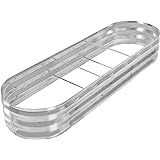
GADI 67-Inch Galvanized Raised Garden Bed, Metal Planter Box for Vegetables and Flowers, Large Outdoor Gardening Kit, Easy DIY Assembly, Weather-Resistant & Rust-Proof
$29.99 (as of 12:59 GMT -05:00 - More infoProduct prices and availability are accurate as of the date/time indicated and are subject to change. Any price and availability information displayed on [relevant Amazon Site(s), as applicable] at the time of purchase will apply to the purchase of this product.)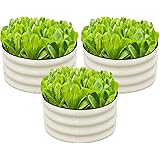
Now retrieving an image set.
SnugNiture 3 Pcs 2x2x1ft Round Galvanized Raised Garden Bed Kit Outdoor, Metal Planter Box for Planting Plants Vegetables, White
$50.99 (as of 12:59 GMT -05:00 - More infoProduct prices and availability are accurate as of the date/time indicated and are subject to change. Any price and availability information displayed on [relevant Amazon Site(s), as applicable] at the time of purchase will apply to the purchase of this product.)- 1. Organic Compost
- 2. Aged Manure
- 3. Seaweed Extract
- 4. Bone Meal
- 5. Blood Meal
- 6. Fish Emulsion
- 7. Kelp Meal
- 8. Slow-Release Seed Meal
- 9. Vital Earth Organic Blood and Bone Meal
- 10. Organic Fertilizer Blends
1. Organic Compost
Why Organic Compost is the Foundation of a Healthy Vegetable Garden
Organic compost is arguably the most essential component of any successful vegetable garden in 2025. It enriches the soil with vital nutrients, improves soil structure, and promotes beneficial microbial activity. Using compost as a top dressing or soil amendment helps ensure your plants receive a steady supply of nutrients naturally.
From kitchen scraps to yard debris, composting transforms waste into a nutrient-dense, organic fertilizer that supports sustainable gardening practices. For example, a well-maintained compost pile can deliver up to 2% nitrogen, making it an excellent source for vegetable growth. Gardeners who use compost regularly notice healthier, more productive plants with stronger disease resistance.
In practical terms, incorporating compost is simple: spread a 1-3 inch layer around your vegetables before planting or as a mulch during the growing season. It acts as a slow-release fertilizer, feeding your plants gradually while improving soil moisture retention.
2. Aged Manure
Types of Manure and Their Benefits
Aged manure, such as cow, horse, or chicken manure, is a rich source of nitrogen, phosphorus, and potassium. When properly aged or composted, manure becomes an excellent organic fertilizer for vegetable gardens in 2025, providing slow-release nutrients that nourish plants over time.
Fresh manure can contain pathogens and ammonia, which can harm plants, so aging or composting is critical. Well-composted manure not only boosts soil fertility but also improves soil texture, aiding in water retention and aeration. A typical application rate is about one to two inches spread evenly around your plants, mixed into the topsoil.
Using aged manure is a cost-effective and sustainable method for vegetable gardening. It’s particularly beneficial in organic farming, where synthetic fertilizers are avoided. Remember to source manure from reputable farms to ensure it is free from contaminants.
3. Seaweed Extract
Benefits and Usage of Seaweed-Based Fertilizers
Seaweed extract has gained popularity as one of the best organic fertilizers for vegetable garden due to its rich micronutrient profile and growth-promoting hormones. In 2025, gardeners increasingly rely on seaweed-based fertilizers for boosting plant vigor, resilience, and yield.
This organic liquid fertilizer is easy to applyâdiluted with water and sprayed directly on foliage or watered into the soil. It enhances root development, improves drought tolerance, and encourages flowering and fruiting in vegetables. For best results, apply every two weeks during the growing season.
Research shows that seaweed extract can increase nutrient uptake efficiency by up to 50%, making it a valuable addition to any organic gardening routine. Additionally, seaweed is sustainable, harvested responsibly from oceans, aligning well with eco-conscious gardening practices.
4. Bone Meal
Sources and Advantages of Bone Meal
Bone meal is a mineral-rich, organic fertilizer made from finely ground animal bones. It provides a slow-release source of phosphorus and calciumâtwo essential nutrients for healthy root and flower development in vegetables.
In 2025, bone meal remains a popular choice for starting seeds or planting deeper-rooted crops like tomatoes and carrots. It works well when mixed into the soil before planting or as a top dressing around established plants. Its slow-release nature ensures nutrients are available over several months.
One practical tip: combine bone meal with compost for an extra nutrient boost. While generally safe, avoid over-application to prevent nutrient runoff. Carefully follow recommended application rates on product labels for optimal results.
5. Blood Meal
Enriching Your Soil with Blood Meal
Blood meal is a highly concentrated organic fertilizer derived from dried animal blood. It’s an excellent source of nitrogenâvital for lush, vigorous plant growthâand is especially useful in the nitrogen-demanding stages of vegetable cultivation in 2025.
Apply blood meal carefully, as it can be quite potent. Typically, a tablespoon per square foot is sufficient. Mix it into the soil or compost to improve nitrogen levels naturally, which promotes leafy growth and overall plant health.
Blood meal is also quick-acting compared to other organic fertilizers, making it ideal for addressing nitrogen deficiencies promptly. Always water thoroughly after application to help nutrients penetrate the soil and prevent evaporation.
6. Fish Emulsion
Why Fish Emulsion is a Versatile Fertilizer
Fish emulsion is a fish-based liquid fertilizer packed with nitrogen, phosphorus, and trace minerals that support vigorous vegetable growth. Itâs particularly useful for quick nutrient uptake, making it a favorite among organic gardeners in 2025.
This fertilizer can be diluted and sprayed on foliage or applied directly to the soil. Regular feeding every 2-3 weeks helps sustain consistent growth and pest resistance. Besides nutrients, it introduces beneficial microbes that promote soil health.
For best results, use fish emulsion early in the season and during transition periods between crop stages. Itâs a sustainable choice that recycles fish waste, aligning with organic principles and reducing waste.
Get a free subscription to PREPARE – with more gardening and homesteading tips!
7. Kelp Meal
Enhancing Growth with Kelp Meal
Kelp meal is a dried seaweed product that provides a complex array of micronutrients, growth hormones, and enzymes. Itâs known for promoting strong root systems, increased resistance to stress, and better flowering in vegetables.
Apply kelp meal by mixing it into the soil before planting or by top dressing during the growing season. Benefits include improved nutrient uptake and overall plant vigor. Itâs especially beneficial for organic gardening in 2025 where soil health is prioritized.
Integrating kelp meal into your routine can help boost yields naturally and improve plant resilience. Use around 1-2 cups per 10 square feet for most vegetables to maximize nutritional benefits.
8. Slow-Release Seed Meal
Nutrient Timing and Application
Seed meals like cottonseed or soybean meal are excellent sources of nitrogen and other nutrients, formulated to release slowly over time. These are ideal for providing consistent nourishment to growing vegetables in 2025 without the risk of over-fertilizing.
Apply seed meal directly to the soil surface or incorporate into planting beds. They feed soil microbes that, in turn, release nutrients gradually, supporting healthy root development throughout the season.
This method minimizes nutrient runoff and leaching, making it a sustainable long-term option. For garden success, follow recommended application rates and complement with compost or other organic amendments.
9. Vital Earth Organic Blood and Bone Meal
Combination Benefits for Vegetables
Vital Earthâs blend of blood and bone meal combines nitrogen and phosphorus, providing a balanced nutrient profile for vegetable growth. It offers a convenient, all-in-one organic fertilizer option that is especially effective in 2025âs sustainable gardening practices.
This product is perfect for initial soil preparationâmix it into beds before plantingâand for recovery during the season. Itâs organic, non-GMO, and safe for use in certified organic gardens.
Applying this fertilizer in moderation helps prevent nutrient imbalance and supports continuous, healthy vegetable production. Remember to water well after application to facilitate nutrient absorption.
10. Organic Fertilizer Blends
Pre-Mixed Organic Fertilizers for Convenience
Many gardeners in 2025 opt for organic fertilizer blends that combine multiple ingredients like compost, kelp, blood meal, and micronutrients. These specially formulated blends offer a balanced nutrient profile and save time.
Use these blends throughout the season to promote healthy growth, flowering, and fruiting. They are especially advantageous for inexperienced gardeners who want proven solutions without mixing multiple inputs.
Check labels for application rates and frequency, and adapt your feeding schedule accordingly. Incorporating these blends into your organic gardening routine ensures a consistent, eco-friendly supply of nutrients for your vegetables.
Frequently Asked Questions (FAQ)
1. What are the best organic fertilizers for vegetable garden in 2025?
Based on current trends and extensive gardening experience, the best organic fertilizers for vegetable garden in 2025 include compost, aged manure, seaweed extract, bone meal, and various organic blends. They provide essential nutrients while supporting soil health and sustainability.
2. How often should I fertilize my vegetable garden organically?
Generally, most organic fertilizers should be applied every 2-4 weeks during the growing season. However, this depends on the specific fertilizer type and crop needs. Always follow the manufacturerâs instructions for best results.
3. Can I use multiple organic fertilizers together?
Yes, combining different organic fertilizers can create a comprehensive nutrient profile. For example, mixing compost with kelp meal and bone meal offers a balance of macro and micronutrients. Just be mindful of application rates to prevent over-fertilization.
4. Why is the keyword phrase ‘best organic fertilizers for vegetable garden’ important?
Using the keyword ‘best organic fertilizers for vegetable garden’ helps reach gardening enthusiasts and organic growers seeking top recommendations in 2025. It reflects a focus on quality, sustainability, and effective gardening practices that deliver healthy, abundant vegetables.
5. What trends are shaping organic fertilizer choices in 2025?
In 2025, thereâs a growing emphasis on sustainable, locally sourced ingredients and innovative blends that enhance soil microbiota. Gardeners are increasingly favoring biodegradable, eco-friendly options that minimize environmental impact while maximizing crop yields.
Conclusion
Choosing the right organic fertilizers is crucial for cultivating a productive and sustainable vegetable garden in 2025. The ‘best organic fertilizers for vegetable garden’ vary based on plant needs, soil conditions, and personal preferences, but options like compost, manure, seaweed extracts, and specialized blends consistently top the list. Incorporating these proven solutions can dramatically improve soil fertility, plant health, and yields. Whether you’re a seasoned gardener or just starting out, prioritizing organic and eco-friendly inputs will ensure your garden thrives now and into the future.
Get a free subscription to PREPARE – with more gardening and homesteading tips!
Related Content
- Why After Bloom Care Of Orchids Is An Important Component In Growing A Picturesque Garden
- Unlocking the Depth: How Deep Should a Raised Bed Really Be for Optimal Plant Growth?
- Florida Doesn’t Want You To Know It’s EASIER To Grow CITRUS Up NORTH! How To Grow Citrus ANYWHERE!
- California pushes composting to lower food waste emissions | Nation … – The Sun Chronicle
- Why Composting is the Ultimate Solution for Sustainable Living