Now retrieving an image set.
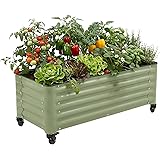
Vego garden Classic Rolling Garden Bed – 1.75' Mobile Metal Raised Garden Bed for Patio, Deck, Balcony – Deep Planting Space, Durable & Easy to Move (Olive Green, 1.75'X4')
$219.95 (as of 08:24 GMT -05:00 - More infoProduct prices and availability are accurate as of the date/time indicated and are subject to change. Any price and availability information displayed on [relevant Amazon Site(s), as applicable] at the time of purchase will apply to the purchase of this product.)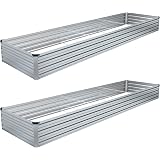
Now retrieving an image set.
DIIYIV 2PCS 12x4x1FT Galvanized Raised Garden Bed Kit,Vegetable Boxes-Rectangle Metal Flower Box,Large Planter Raised Beds Outdoor Garden for Planting,Fruit,Herb-Silver
$89.99 (as of 12:59 GMT -05:00 - More infoProduct prices and availability are accurate as of the date/time indicated and are subject to change. Any price and availability information displayed on [relevant Amazon Site(s), as applicable] at the time of purchase will apply to the purchase of this product.)1. Understanding Your Local Climate
1.1 Climate Zones and Their Impact on Planting Dates
Knowing your local climate zone is essential when determining the best time to plant vegetables in 2025. USDA Hardiness Zones provide valuable guidance on what you can grow and when to plant. For example, in zone 5, early spring planting can begin around April, while in zone 9, you might start planting vegetables as early as February. Accurate zone identification helps prevent crop failure and optimizes your garden’s productivity.
Research shows that following regional climate patterns can increase vegetable yields by up to 20%. Consistently, gardeners who adjust their planting schedules based on their zone report better success rates. For 2025, staying updated with climate zone predictions is key to planning effectively for seasonal changes.
Use online mapping tools or local agricultural extension services to determine your exact zone. This step is foundational for establishing the best time to plant vegetables tailored specifically for your area.
1.2 How Climate Change Affects Seasonal Planting
Climate change has been shifting traditional planting dates over the years, and 2025 is no exception. Warmer temperatures and unpredictable weather patterns mean that historical planting calendars may no longer be accurate. Many gardeners are now adjusting their schedules accordingly.
For example, recent studies indicate that in certain regions, the last frost date has shifted by two weeks over the past decade. This means you can often start planting earlier or later than traditional dates. Keeping track of local weather forecasts and frost dates for 2025 will help you stay ahead of changes.
Adapting to these variations ensures you make the most of your gardening season, reducing the risk of crops being damaged by unexpected frosts or hot spells.
1.3 Tools and Resources for Climate Data
Various online tools provide updated climate data and frost date forecasts, making it easier for gardeners to plan. Websites like the National Weather Service or local extension services offer reliable information thatâs crucial for determining the best time to plant vegetables this year.
Utilize apps and subscription services that send alerts about frost dates for 2025. Staying informed helps you plan your planting schedule optimally, ensuring healthy crops and abundant harvests.
Get a free subscription to PREPARE – with more gardening and homesteading tips!
Being proactive with climate data allows you to adjust your planting calendar based on real-time conditions, which is particularly important in years with climate variability.
2025. Planning for a Year-round Vegetable Garden
2025.1 Extending Your Growing Season with Season Extension Techniques
In 2025, savvy gardeners are increasingly using season extension techniques such as hoop houses, cold frames, and row covers. These methods allow you to start planting earlier in spring and continue harvesting later into fall or even winter, effectively expanding the best time to plant vegetables throughout the year.
For example, a simple cold frame can extend the growing season by 4-6 weeks, especially for tender crops like tomatoes and lettuce. Investing in this infrastructure can make a significant difference in your 2025 gardening success.
By planning ahead and using season extension tools, you can maximize your harvests and enjoy fresh vegetables all year round. This also helps you adapt to unpredictable weather patterns and climate change impacts.
2025.2 Crop Rotation and Succession Planting Strategies
Implementing crop rotation and succession planting in 2025 is vital for maintaining soil health and ensuring continuous production. Knowing the best time to plant vegetables at different times of the year allows you to plan multiple harvests and prevent soil depletion.
For instance, planting quick-growing vegetables like radishes and leafy greens in succession enables multiple harvests within the same season. Combining these strategies with knowledge of optimal planting times makes your garden more productive and sustainable.
Research indicates that effective crop rotation can improve yields by up to 30%. Combining this with precise timing ensures your garden remains fertile and productive all season long.
Frequently Asked Questions
- Q1: What is the best time to plant vegetables in 2025?
- The best time to plant vegetables in 2025 depends largely on your local climate and frost dates, but generally, early spring for warm-season crops and late summer for cool-season crops are optimal. Always check your regional frost dates for precise planning.
- Q2: How do I determine the right planting time for my area?
- Use local climate zone information, historical frost dates, and weather forecasts to determine the best time to plant vegetables. Resources like extension services and climate maps can provide tailored guidance for your region in 2025.
- Q3: How can I extend my vegetable growing season in 2025?
- Implementing season extension techniques such as cold frames, row covers, and hoop houses can help you plant earlier and harvest later, effectively extending your growing season throughout 2025.
- Q4: Why is understanding the best time to plant vegetables critical for a successful garden?
- Timing your plantings correctly ensures crops are grown under optimal conditions, reduces the risk of frost damage, and maximizes yields. Proper timing is especially vital in 2025 due to climate variability and changing weather patterns.
Conclusion
Understanding the best time to plant vegetables in 2025 is fundamental for a fruitful gardening season. By considering your local climate, frost dates, soil conditions, and employing season extension methods, you can significantly improve your harvest success. Staying informed and adaptable will help you navigate the uncertainties of climate change and optimize your vegetable garden throughout 2025. Remember, the right planting time is the cornerstone of a productive, enjoyable gardening experience!
Get a free subscription to PREPARE – with more gardening and homesteading tips!
Related Content
- Kean Researchers Seek Environmental Solutions in the Trash | Westfield, NJ News TAPinto
- Rice students navigate post-consumer composting – The Rice Thresher
- Where To Buy FIG CUTTINGS And FIG TREES: Where I Buy FIGS!
- Opinion: Recycling and composting can reduce greenhouse gasses
- The Best Vegetables to Grow in Your Backyard This Season