Now retrieving an image set.
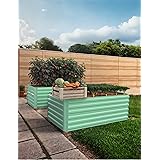
CABIHOME 2 Pcs 6x3x2 Ft Galvanized Raised Garden Bed, Deep Root Planter Box for Vegetables, Flowers, Herbs- Large Metal Raised Garden Bed Kit for Outdoor Use, Green
$126.87 (as of 08:19 GMT -05:00 - More infoProduct prices and availability are accurate as of the date/time indicated and are subject to change. Any price and availability information displayed on [relevant Amazon Site(s), as applicable] at the time of purchase will apply to the purchase of this product.)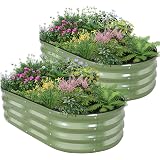
Now retrieving an image set.
BIRDSINYARD Galvanized Raised Garden Bed - 4×2×1ft (2 Packs) Planter Raised Beds for Gardening | Oval Metal Garden Planter Box with Safety Edging and Gloves for Vegetables Fruits and Flower OliveGreen
$46.99 (as of 12:59 GMT -05:00 - More infoProduct prices and availability are accurate as of the date/time indicated and are subject to change. Any price and availability information displayed on [relevant Amazon Site(s), as applicable] at the time of purchase will apply to the purchase of this product.)Table of Contents
- 1. Plant Marigolds to Deter Pests
- 2. Basil and Tomato Pairing
- 3. Garlic as a Natural Pest Repellent
- 4. Cilantro for Aphid Control
- 5. Nasturtiums as Trap Crops
- 6. Chives to Protect Raspberries
- 7. Petunias for Pest Deterrence
- 8. Aromatic Herbs for Pest Control
- 9. Trends in Companion Planting for Pest Control in 2025
- 10. Diversity in Your Garden for Natural Pest Suppression
1. Plant Marigolds to Deter Pests
Why Marigolds Are Natural Pest Repellents
Marigolds have long been celebrated for their pest-repelling properties, especially in vegetable gardens. Their strong scent deters nematodes, beetles, and aphids, making them an ideal companion planting choice for pest control. In 2025, more gardeners are turning to marigolds as a sustainable, chemical-free solution to pest management.
Research from agricultural studies shows that marigolds can reduce nematode populations by up to 70% when planted alongside susceptible crops like tomatoes or carrots. Their roots release thiophenes, which are natural compounds that disrupt pest behaviors, effectively protecting neighboring plants.
In practical terms, planting marigolds around the perimeter of your vegetable beds creates a natural barrier that keeps common pests at bay while attracting beneficial insects like pollinators and predatory wasps. For a thriving, pest-resistant garden, marigolds are a must-have in your 2025 companion planting for pest control strategy.
How to Incorporate Marigolds in Your Garden
To maximize the pest control benefits, plant marigolds at the edges of your vegetable beds or intersperse them between vegetables. Choose French marigolds for their compact size and vibrant colors, or African marigolds for larger, more robust plants. Regularly deadhead spent flowers to encourage continuous blooming and pest-repellent scent.
Spacing-wise, plant marigolds about 8-12 inches apart for optimal coverage. Water them consistently, especially during dry spells, to ensure healthy growth. The visual appeal combined with pest control makes marigolds a popular and effective companion in sustainable gardens in 2025.
2. Basil and Tomato Pairing
The Pest-Resistant Benefits of Basil
Basil is more than just a flavorful herb â it’s a powerful ally in companion planting for pest control. When grown alongside tomatoes, basil helps repel tomato hornworms and aphids. The aromatic oils in basil confuse pests and act as a natural deterrent, thereby reducing the need for chemical interventions in your 2025 garden.
Studies have indicated that planting basil near tomatoes can decrease pest infestations by as much as 50%. Plus, basil attracts beneficial insects like hoverflies and parasitic wasps, which prey on pests. The mutual benefit enhances garden health and biodiversity, making basil a top choice for pest control strategies this year.
To implement this technique, plant basil in clusters 12 inches apart around your tomato plants. Regular harvesting of basil leaves not only offers fresh flavor but also continually releases pest-repelling compounds into the environment.
Practical Tips for a Successful Basil and Tomato Garden
Ensure your basil gets full sun and consistent watering to promote lush growth. Companion planting with basil can also improve tomato flavor, creating a win-win scenario. Avoid planting basil too close to other aromatic herbs like mint or dill, which may compete for nutrients.
By following these methods, you’ll optimize pest control while enjoying a flavorful harvest. In 2025, utilizing plant combinations like basil and tomatoes exemplifies innovative, eco-friendly pest management techniques.
3. Garlic as a Natural Pest Repellent
Why Garlic Works in Companion Planting for Pest Control
Garlic is a powerhouse in natural pest control, thanks to its sulfur compounds that emit a strong smell deterring insects and pests. In 2025, garlic remains a favorite for organic gardeners seeking sustainable pest management. Its pungent aroma disrupts the communication among pests like aphids, Japanese beetles, and spider mites, keeping them away from vital crops.
Research indicates that integrating garlic into your garden can reduce pest populations by up to 60%, providing an eco-friendly alternative to chemical pesticides. Moreover, garlic can be grown alongside roses, strawberries, and other susceptible plants, offering dual benefitsâpest control and added flavor in edible crops.
Plant garlic cloves 4-6 inches apart near the base of your target plants. Be sure to harvest at maturity to enjoy both the health benefits of garlic and its pest-repelling properties in your garden.
Growing and Using Garlic for Pest Control
Garlic prefers loose, well-drained soil and full sun. For continuous pest resistance, plant garlic early in the season and regularly apply garlic spray made from crushing fresh cloves, diluted with water, and used as a natural pesticide. Applying this spray weekly can keep pests at bay effectively.
Including garlic in your garden borders or interplanting with roses encourages a pest-free environment, making it an essential element of your 2025 companion planting for pest control plan.
4. Cilantro for Aphid Control
The Aphid-Repelling Capabilities of Cilantro
Cilantro, or coriander, is a versatile herb that attracts beneficial insects like ladybugs and hoverflies, which prey on common garden pests such as aphids. Incorporating cilantro in your garden in 2025 can significantly reduce aphid infestations naturally, making it a key component of your companion planting for pest control strategies.
Aphids are notorious for spreading viruses and damaging plant tissues. However, cilantroâs strong aroma acts as a natural repellent, discouraging aphids from settling on nearby crops like lettuce, broccoli, or peppers.
Plant cilantro in well-drained soil and ensure it receives enough sunlight. Regularly harvesting the leaves encourages new growth and continuous pest-repelling benefits.
Maximizing Benefits with Strategic Planting
Strategically placing cilantro near susceptible plants can create a pest barrier. Combine cilantro with other pest-repellent herbs like dill or fennel for a more comprehensive protection plan. Interplant every 2-3 feet to harness the full benefits in 2025.
By attracting beneficial insects and repelling aphids, cilantro plays a vital role in sustainable pest control efforts without relying on chemicals.
5. Nasturtiums as Trap Crops
Using Nasturtiums to Trap Pests
Nasturtiums are not only beautiful but also highly effective as trap crops in companion planting for pest control. They attract aphids, whiteflies, and flea beetles away from valuable crops like beans, tomatoes, and peppers. This selective pest distraction helps protect your primary plants in 2025 gardens.
The bright flowers lure pests away, and populations concentrate on the nasturtiums, making it easier to manage pests through targeted removal or organic sprays. The cultural practice is simple: plant nasturtiums near vulnerable crops, and monitor pest levels regularly.
Maintaining healthy nasturtiums through proper watering and pest inspection ensures they function effectively as trap crops, providing a safe haven for pests away from your main harvest.
Design Tips and Maintenance
Plant nasturtiums about 12 inches apart around your vegetable beds. Deadhead spent flowers to encourage bushier growth and pest attraction. Incorporate compost-rich soil to promote vigorous growth, ensuring the trap crop performs optimally.
In 2025, the use of nasturtiums as part of an integrated pest management system exemplifies a natural, eco-friendly approach to pest control that aligns with sustainable gardening principles.
6. Raspberries and Chives
Chives as a Defense Against Raspberry Pests
Chives are an excellent companion for raspberry plants, providing natural pest control by repelling raspberry beetles and aphids. Their strong onion-like scent confuses pests, reducing damage and promoting healthier fruit production in 2025.
Get a free subscription to PREPARE – with more gardening and homesteading tips!
Growing chives in close proximity can also attract pollinators and beneficial predatory insects, adding to the ecological balance of your garden. Regularly snipping chive greens encourages continuous scent production, enhancing their pest-repelling effectiveness.
Plant chives in the soil around raspberries or in bed borders to establish a robust pest-avoidance network. Remember, healthy, well-maintained chives will ward off pests more efficiently.
Best Practices for Chive and Raspberry Companion Planting
Chives thrive in full sun and well-drained soil. Incorporate organic compost to promote lush growth and enhance their natural defense capabilities. Rotate chives annually to prevent disease buildup.
Implementing chives around raspberries in 2025 can lead to fewer insect issues, reduced pesticide use, and a more sustainable garden model.
7. Petunias for Pest Deterrence
Petunias as Natural Repellents
Petunias are a vibrant addition to any garden, not only for their colorful blooms but also for their pest-deterring qualities. They repel destructive insects such as tomato hornworms, aphids, and mosquitoes, making them an excellent companion planting choice in 2025.
Their fragrant flowers mask the scent of crops, confusing pests and reducing infestations. Petunias are especially effective when planted around tomatoes, peppers, or beans, creating a protective barrier and enhancing visual appeal.
Plant petunias in containers or directly in the ground, spacing them about 8-10 inches apart to allow maximum interaction with pests. Regular deadheading encourages blooming and pest resistance.
Tips for Maximizing Pest Control with Petunias
Ensure petunias receive at least 6 hours of sunlight daily and watered consistently. Companion planting with petunias can also attract beneficial insects, contributing to integrated pest management. Combining petunias with other pest-repellent plants creates a more resilient garden ecosystem in 2025.
8. Aromatic Herbs for Pest Control
Top Herbs for Natural Pest Repellence
In 2025, aromatic herbs like mint, rosemary, thyme, and catnip continue to be essential allies in companion planting for pest control. These herbs emit scents that confuse, repel, or disrupt the habitat of pests such as moths, beetles, and ants.
Planting these herbs around your vegetable garden or flower beds creates a fragrant barrier that traps pests and encourages beneficial insect activity. For example, mint repels mosquitoes and attracts pollinating bees, contributing to overall garden health.
To maximize effectiveness, plant herbs in containers or at the garden’s edges, and regularly prune to maintain healthy, potent aromas. Incorporate these herbs into your 2025 pest management plan for a naturally pest-free garden.
Effective Garden Layout and Maintenance
Arrange aromatic herbs in strategic locationsânear entry points and around vulnerable crops. Use mulch made from aromatic herb trimmings to deter pests and improve soil health. Pairing herbs with flowering plants enhances biodiversity and pest control synergy.
9. Trends in Companion Planting for Pest Control in 2025
Innovations and Scientific Insights
In 2025, the field of companion planting for pest control is rapidly evolving, driven by advances in ecological research and sustainable agriculture practices. More gardeners and farmers are integrating diverse plant combinations that naturally suppress pest populations while promoting biodiversity.
Recent studies highlight the effectiveness of using multi-species plantings, often called polycultures, which create complex ecosystems less inviting for pests. Incorporating native plants, trap crops, and pest-repellent herbs is becoming standard practice for eco-conscious growers.
This holistic approach not only reduces pesticide reliance but also enhances crop yields, soil health, and environmental resilience, reflecting the growing importance of sustainable practices in 2025.
Adapting Strategies for Your Garden
Stay informed on the latest research and experiment with diverse companion plantings tailored to your local ecosystem. Focus on building resilient plant communities that naturally manage pests, keeping your garden productive and eco-friendly.
Explore resources like extension services, gardening forums, and scientific publications to refine your companion planting for pest control strategies in 2025.
10. Diversity in Your Garden for Natural Pest Suppression
The Role of Biodiversity in Pest Management
A diverse garden is a robust one. Planting a variety of crops and flowers creates a balanced ecosystem, reducing the chance of widespread pest outbreaks. In 2025, more gardeners recognize that polycultures and intercropping significantly improve natural pest suppression through habitat complexity.
Having a mixture of plants attracts a wide range of beneficial insects and predators that keep pest populations in check. Additionally, diverse plantings can disrupt pest life cycles, preventing infestations from establishing strong footholds.
Mixing vegetables with flowers, herbs, and ground covers is an effective way to foster biodiversity and bolster your standing in companion planting for pest control.
Practical Tips for Enhancing Garden Diversity
Create a planting schedule that mixes different plant types and maturity rates. Use companion planting charts to maximize beneficial interactions. Regularly monitor pest activity, and employ crop rotation and cover cropping to support a resilient garden ecosystem.
By embracing plant diversity in your garden in 2025, you’ll foster a natural environment that keeps pests at bay while supporting pollinators and beneficial insects.
Frequently Asked Questions
1. What is companion planting for pest control?
Companion planting for pest control is the strategic placement of certain plants together to naturally reduce pest populations, repel insects, and promote healthy crop growth without chemical pesticides. It leverages the natural properties of plants to create a balanced garden ecosystem.
2. How effective is companion planting for pest control in 2025?
In 2025, companion planting has proven to be a highly effective, sustainable pest management strategy. Recent research and field trials indicate that combining specific plant pairings can reduce pest infestations by up to 70%, making it a vital component of eco-friendly gardening.
3. Can I rely solely on companion planting for pest control?
While companion planting significantly reduces pest problems, it is most effective when combined with other integrated pest management practices such as crop rotation, biological controls, and proper garden sanitation. Relying solely on companion planting may not eliminate all pests but can greatly diminish their impact.
4. What are some easy companion plants for pest control in 2025?
Some easy and effective companion plants include marigolds,