Now retrieving an image set.
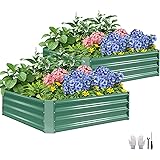
ZORMY 2 Pcs 4x4x1ft Galvanized Raised Garden Bed Outdoor, Metal Planter Boxes with Easy Assembly, Planter Raised Beds for Gardening, Flower, Plants, Vegetable, Herb - LotusGreen
$65.89 (as of 08:19 GMT -05:00 - More infoProduct prices and availability are accurate as of the date/time indicated and are subject to change. Any price and availability information displayed on [relevant Amazon Site(s), as applicable] at the time of purchase will apply to the purchase of this product.)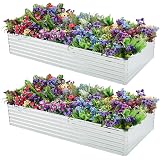
Now retrieving an image set.
Meberam 2 Pack 6x3x1FT Galvanized Raised Garden Bed Kit, Outdoor Metal Planter Box for Vegetables, Bottomless Rectangular Gardening Bed with Support Rods, Tool-Free Assembly, Silver
$48.98 (as of 08:19 GMT -05:00 - More infoProduct prices and availability are accurate as of the date/time indicated and are subject to change. Any price and availability information displayed on [relevant Amazon Site(s), as applicable] at the time of purchase will apply to the purchase of this product.)- Introduction
- Understanding Compost Tea for Gardens
- Injecting Life with Compost Tea for Gardens
- Making and Applying Compost Tea for Gardens
- Frequently Asked Questions about Compost Tea for Gardens
- Conclusion
Introduction
In 2025, gardeners are increasingly turning to natural solutions to boost plant health and soil vitality. Among these, compost tea for gardens stands out as an effective organic fertilizer and soil conditioner. It’s a simple, affordable, and eco-friendly way to enhance the growth of your plants without synthetic chemicals.
Using compost tea for gardens can transform even the most tired soil into a thriving ecosystem. Whether you’re growing vegetables, flowers, or herbs, incorporating compost tea into your gardening routine can lead to richer blooms and healthier roots. It’s an age-old practice with modern scientific backing, making it a must-try for every garden enthusiast this year.
Understanding Compost Tea for Gardens
What Is Compost Tea?
Compost tea is a liquid fertilizer made by steeping compost in water, allowing beneficial microbes to multiply and infuse the liquid. This nutrient-rich brew is then used to nourish plants and improve soil health. It acts as a probiotic for your garden, introducing beneficial bacteria, fungi, and other microorganisms that support plant growth.
There are two main types of compost tea: aerated and non-aerated. Aerated compost tea involves oxygenation during brewing, which promotes the proliferation of aerobic microbes. Non-aerated tea, on the other hand, relies on passive fermentation. Both methods are effective, but aerated compost tea is often preferred for its stability and microbial activity.
Benefits of Using Compost Tea for Gardens
Applying compost tea for gardens offers numerous advantages, including improved plant nutrient uptake, increased disease resistance, and enhanced soil structure. It can help unlock locked nutrients in the soil, making them more accessible to roots. Gardeners report faster growth and more vibrant blooms when using compost tea regularly.
Another key benefit is its ability to suppress plant pathogens naturally. The beneficial microbes in compost tea create a hostile environment for harmful bacteria and fungi, reducing the need for chemical treatments. Plus, it’s a sustainable choice that minimizes environmental impact and promotes long-term soil health.
How Compost Tea Enhances Soil Microbiology
Compost tea introduces a diverse community of beneficial microbes into the soil, which play a crucial role in nutrient cycling and disease suppression. These microorganisms break down organic matter, releasing essential nutrients that plants can absorb easily.
Over time, consistent use of compost tea for gardens helps establish a thriving microbiome in the soil. This microbial diversity is vital for resilient plants and improved soil fertility. Think of it as a probiotic boost for your garden’s ecosystem, fostering sustainable growth.
Common Myths About Compost Tea for Gardens
One common misconception is that compost tea can replace all fertilization. While highly beneficial, it should be part of a broader nutrient management plan. It provides microorganisms and some nutrients but doesn’t supply all the macro- and micronutrients plants need.
Another myth is that all compost teas are the same. In reality, quality varies based on ingredients, brewing methods, and microbial content. Making your own compost tea at home allows you to control these factors for optimal results in your garden.
Injecting Life with Compost Tea for Gardens
How to Prepare Compost Tea at Home
Preparing compost tea is simpler than you might think. Start with high-quality, mature compost and combine it with water in a clean container. Use about one part compost to five parts water, stirring gently. For aerated compost tea, you’ll need an aquarium air pump to oxygenate the mixture during brewing.
Steep the mixture for 24 to 48 hours, keeping it aerated if you’re making aerated compost tea. Strain out solid particles before application. The resulting liquid is rich in microbes and nutrients ready to invigorate your garden plants.
The Best Compost Sources for Tea
The foundation of effective compost tea for gardens lies in using quality compost. Mature compost rich in diverse organic matter yields the best microbial communities. Yard waste compost, mushroom compost, or well-made manure-based compost are excellent choices.
Avoid compost that contains weeds, pesticides, or synthetic amendments, as these can introduce unwanted substances or pathogens. Homemade compost often offers the most control, ensuring your tea provides pure microbial benefits to your plants.
Application Techniques for Maximum Impact
Apply compost tea to your garden by spraying it on foliage or watering the soil directly. Foliar application allows nutrients and microbes to be absorbed quickly through leaves, boosting immediate plant defenses. Soil drenching promotes root health and microbial diversity underground.
Remember to apply compost tea in the early morning or late evening to prevent rapid evaporation and to avoid leaf scorching. Repeating applications every two to three weeks during the growing season can maximize benefits and promote vigorous growth.
Timing and Frequency of Compost Tea Applications
Rotation and consistency are key when using compost tea for gardens. Use it as a supplement throughout the growing season, especially during planting, flowering, and fruiting stages. Regular applications help maintain a healthy microbial community and nutrient availability.
Get a free subscription to PREPARE – with more gardening and homesteading tips!
In 2025, experts recommend applying compost tea at least once every two weeks for optimal results. Adjust based on plant response and specific garden conditions, but consistency ensures your plants receive continuous microbial support.
Making and Applying Compost Tea for Gardens
Step-by-Step Guide to Brewing Compost Tea
Begin with high-quality compost and clean water, mixing them thoroughly in a container. For aerated brewing, attach an aquarium pump and stir gently to keep oxygen flowing. After 24-48 hours, strain the liquid for best application results.
Using a fine mesh or cloth to filter the tea helps remove solids that might clog sprayers or watering cans. Store unused compost tea in a cool, dark place if needed, but fresh brewing yields the best microbial activity.
Choosing the Right Equipment
Investing in the proper brewing equipment can significantly improve your compost tea quality. An aquarium air pump and mesh strainer are essential for aerated brewing, ensuring a rich microbial culture.
For application, use a sprayer or watering can with a fine nozzle to distribute the tea evenly. Clean your equipment thoroughly after each use to prevent contamination and maintain microbial integrity in your compost tea for gardens.
Applying Compost Tea Correctly
Apply compost tea directly to the soil around plants or spray on foliage, depending on the target outcome. Foliar feeding delivers nutrients quickly and can help plants recover from stress or disease. Soil application boosts root growth and enhances soil microbiology.
Consistent application, especially during active growth periods, ensures your garden receives ongoing microbial and nutrient support. Be mindful of weather conditions; avoid application before heavy rain to prevent runoff and wastage.
Monitoring and Adjusting Your Approach
Observe your plants’ responses to compost tea applications. Noticing improvements in growth, color, and resilience indicates successful use. Adjust frequency and concentration based on plant needs and environmental conditions.
In 2025, integrating compost tea for gardens into your routine can be a game-changer. Regular assessment allows you to refine your approach, ensuring vibrant, healthy plants all season long.
Frequently Asked Questions about Compost Tea for Gardens
Can compost tea replace traditional fertilizers?
Compost tea is an excellent supplement but typically shouldn’t replace traditional fertilizers entirely. It provides beneficial microbes and some nutrients but may lack adequate levels of macronutrients like nitrogen, phosphorus, and potassium. Use it alongside other fertilization methods for balanced feeding.
How often should I apply compost tea for gardens?
For optimal results, applying compost tea every two to three weeks during the growing season is recommended. This frequency maintains a healthy microbial environment and supports steady plant growth. Adjust based on plant response and specific garden needs.
Is compost tea safe for all types of plants?
Yes, compost tea is generally safe for a wide variety of plants, including vegetables, ornamentals, and herbs. It is a natural product that enhances plant health without harsh chemicals. However, always observe your plants for any adverse reactions and adjust application rates accordingly.
Are there any risks associated with making compost tea at home?
When prepared properly, making compost tea at home is safe. However, using contaminated compost or improper brewing can pose risks of pathogens. To minimize these, use well-matured compost and ensure thorough brewing and filtration processes.
Conclusion
Incorporating compost tea for gardens into your gardening routine in 2025 can significantly enhance plant health, soil vitality, and overall garden productivity. It’s a natural, sustainable, and cost-effective way to foster a lively, resilient garden ecosystem. With proper preparation and application, compost tea becomes an invaluable tool for every gardener aiming for lush, healthy plants throughout the year.
Get a free subscription to PREPARE – with more gardening and homesteading tips!
Find out more information about “compost tea for gardens”
Search for more resources and information: