Now retrieving an image set.
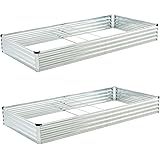
Foxlang 8x4x1ft(2 PCS) Galvanized Raised Garden Bed,Outdoor Planter Box Metal Patio Kit Planting Bed for Vegetables Flowers Herb,Silver
$69.99 (as of 08:19 GMT -05:00 - More infoProduct prices and availability are accurate as of the date/time indicated and are subject to change. Any price and availability information displayed on [relevant Amazon Site(s), as applicable] at the time of purchase will apply to the purchase of this product.)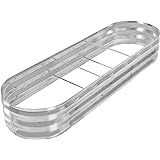
Now retrieving an image set.
GADI 67-Inch Galvanized Raised Garden Bed, Metal Planter Box for Vegetables and Flowers, Large Outdoor Gardening Kit, Easy DIY Assembly, Weather-Resistant & Rust-Proof
$29.99 (as of 12:59 GMT -05:00 - More infoProduct prices and availability are accurate as of the date/time indicated and are subject to change. Any price and availability information displayed on [relevant Amazon Site(s), as applicable] at the time of purchase will apply to the purchase of this product.)- 1. Choose the Right Containers
- 2. Select Appropriate Soil and Fertilizers
- 3. Optimize Light Exposure
- 4. Implement Proper Watering Schedules
- 5. Practical Pest and Disease Management
- 6. Use Smart Technology for Monitoring
- 7. Prioritize Companion Planting
- 8. Maximize Space with Stackable and Vertical Gardening
- 9. Choose Vegetables with High Yields
- 10. Regular Maintenance and Crop Rotation
1. Choose the Right Containers
Material Matters for Container Gardening for Vegetables
One of the most critical factors in successful container gardening for vegetables in 2025 is selecting the appropriate containers. Materials like clay, plastic, metal, and composite offer unique benefits and challenges. For instance, clay pots are breathable, which helps prevent overwatering, but they can dry out quickly. Plastic containers are lightweight and retain moisture better, making them ideal for busy gardeners.
When choosing containers, consider the specific needs of your vegetables. Root vegetables like carrots and radishes prefer deep, narrow pots, whereas leafy greens can thrive in shallower containers. Also, ensure your containers have drainage holes to prevent waterlogging, which can lead to root rot. As gardening trends shift towards eco-friendly practices in 2025, consider sustainable options like recycled plastic or biodegradable planters.
For a practical tip: invest in multi-use, stackable containers to maximize limited space and make harvesting easier. This approach aligns with urban gardening trends and helps you grow more vegetables in small areas.
Size and Drainage Considerations
The size of your containers directly impacts plant growth. Larger containers provide more space for roots and retain moisture longer, reducing watering frequency. For most vegetables, a minimum of 5 gallons per plant is recommended, with larger containers for larger plants like tomatoes and peppers.
Drainage is equally vital. Containers without proper drainage can cause water stagnation, leading to fungal diseases and poor growth. Use containers with multiple drainage holes or add a layer of gravel at the bottom to facilitate excess water escape. In 2025, smart containers with self-watering systems are gaining popularity, helping maintain optimal moisture levels effortlessly.
Regularly check your containers for cracks or blockages, and replace aged or damaged pots to promote healthy root development.
2. Select Appropriate Soil and Fertilizers
Choosing the Best Soil Mix for Container Gardening for Vegetables
The foundation of a thriving vegetable garden in containers is high-quality soil. In 2025, organic, nutrient-rich soils are preferred, especially those containing compost, peat moss, and vermiculite or perlite for aeration. These components help retain moisture while providing good drainage.
Avoid garden soil or heavy clay mixes, as they tend to compact in containers and hinder root growth. Instead, use a specially formulated potting mix designed for container vegetables. As a general rule, a well-draining, lightweight soil mix promotes healthier plants and higher yields.
Tip: Enhance your soil with organic amendments or slow-release fertilizers to supply essential nutrients continually. Monitoring soil pH, which should be around 6.0-7.0 for most vegetables, can optimize nutrient uptake.
Effective Fertilizer Use for Container Vegetables
Since nutrients drain away quickly in container gardening, regular fertilization is essential. Use balanced, organic fertilizers like fish emulsion, compost tea, or fish emulsion, which are effective in sustaining vegetable growth throughout the season.
Specific vegetables may have unique nutrient requirementsâleafy greens thrive on nitrogen, while fruiting vegetables like tomatoes need phosphorus and potassium. Applying slow-release fertilizers at planting, combined with periodic liquid feeds, can maximize yields.
In 2025, smart fertilizer systems that release nutrients in response to plant needs are an emerging trend, making fertilizer application more efficient and eco-friendly.
3. Optimize Light Exposure
Maximizing Sunlight for Container Gardening for Vegetables
Most vegetables require at least 6-8 hours of direct sunlight daily to thrive. When planning your container garden in 2025, position your containers in places that receive ample sunlightâbalcony, patio, or south-facing windows. If sunlight is limited, consider replacing traditional space with grow lights, which are becoming more sophisticated and energy-efficient.
Adjust containers periodically to follow the sun’s movement, ensuring your plants get consistent light throughout the day. Reflective surfaces like white walls or mirrors can also amplify sunlight exposure, boosting photosynthesis rates.
Use weather protection strategies such as shade sails or movable covers during intense summer sun or hailstorms, common concerns in 2025 urban gardening.
Artificial Lighting Solutions for Indoor Container Gardening
If outdoor space or sunlight is limited, artificial grow lights are invaluable. LED grow lights, in particular, are efficient and customizable, providing optimal spectrum for vegetable growth in 2025. Position the lights roughly 12-24 inches above the plants, depending on the intensity, and adjust as plants grow.
Implement timed lighting systems to mimic natural daylight hours, promoting healthy development and extending your growing season. This is especially helpful for winter or early spring planting in colder regions.
Research shows that proper artificial lighting can increase vegetable yields by up to 30%, making it a worthwhile investment for dedicated container gardeners in 2025.
4. Implement Proper Watering Schedules
Watering Techniques for Healthy Container Vegetables
Consistent watering is crucial for container gardening for vegetables, especially during hot or windy days common in 2025. The goal is to keep the soil evenly moist but not waterlogged. Overwatering can lead to root rot, while underwatering stresses plants and hampers growth. Use a moisture meter or touch test to monitor soil moisture regularly.
Deep, infrequent watering encourages stronger root development compared to shallow, frequent watering. Early morning watering minimizes evaporation and disease risk.
Automated drip irrigation systems or self-watering containers are excellent tools for maintaining ideal moisture levels, saving time and preventing oversight.
Adapting Watering Schedules for Seasonal Changes
In 2025, climate predictions indicate more unpredictable weather patterns. Adjust your watering schedules based on real-time weather data, ensuring your vegetables get consistent moisture despite fluctuations. Cloudy, rainy days may reduce watering needs, while heatwaves demand increased irrigation.
Mulching containers with straw or bark reduces surface evaporation, helping to retain moisture and regulate soil temperature. This method is especially beneficial for root vegetables that prefer stable conditions.
Monitoring soil moisture regularly and adjusting watering accordingly ensures your container vegetables stay healthy and productive throughout the season.
5. Practical Pest and Disease Management
Common Pests and How to Manage Them
Container gardening for vegetables attracts pests like aphids, whiteflies, and spider mites. Early detection is key. Use organic pest control methods such as neem oil, insecticidal soaps, or introducing beneficial insects like ladybugs.
Maintaining healthy plants through proper nutrition and watering reduces susceptibility to pests. Trap crops or companion planting can also divert pests away from your main vegetable containers.
In 2025, integrated pest management (IPM) strategies that combine biological, cultural, and mechanical controls are gaining prominence, minimizing chemical use and promoting sustainable practices.
Managing Diseases in Container Vegetables
Monitor for signs of fungal or bacterial diseases, which can spread rapidly in confined container environments. Ensuring proper airflow, avoiding overhead watering, and maintaining cleanliness are essential prevention techniques.
Using disease-resistant vegetable varieties and sterilizing tools regularly further reduces disease risks. When necessary, apply organic fungicides and remove infected plant material promptly.
Research highlights that maintaining optimal humidity levels and avoiding overwatering significantly decrease disease incidence in container gardens in 2025.
6. Use Smart Technology for Monitoring
Smart Sensors and Apps for Container Gardening for Vegetables
Technology enables precise care in container gardening for vegetables. Smart sensors can track soil moisture, temperature, and light levels, sending data directly to your smartphone. In 2025, these tools help you adjust watering and lighting proactively, reducing plant stress.
Get a free subscription to PREPARE – with more gardening and homesteading tips!
Apps designed for gardeners provide planting reminders, pest alerts, and growth tracking. Integrating these tools streamlines maintenance and maximizes yield potential.
While initial investments might seem high, the long-term savings and increased productivity make smart monitoring systems a smart choice for serious gardeners.
Automation and Remote Control Systems
Automated irrigation and lighting systems allow remote management of your container vegetable garden. With Wi-Fi-enabled devices, you can adjust watering schedules or light exposure from anywhere, ensuring your plants receive optimal care in 2025.
Automation reduces manual labor and helps maintain consistent conditions, especially during busy schedules or travel. Proven to improve overall plant health, such technology is becoming mainstream in urban gardening.
Incorporating these systems allows you to focus on expanding your garden or enjoying the fruits of your labor.
7. Prioritize Companion Planting
Benefits of Companion Planting in Container Gardens
Companion planting involves pairing vegetables that benefit each other when grown nearby. It can improve pest control, enhance flavor, and boost growth in container gardening for vegetables. For example, tomatoes grow well alongside basil, which repels pests and complements flavors.
In small containers, selecting compatible plants maximizes space while providing mutual benefits. Marigolds, for example, repel nematodes and attract beneficial insects, offering natural pest control in your containers.
In 2025, trendy companion planting practices incorporate organic herbs and flowering plants, creating biodiverse and resilient urban gardens.
Designing Multi-Plant Containers for Better Results
Choose plants with compatible root systems and similar water and light needs to prevent competition. Use stacking or tiered containers to grow taller plants alongside smaller ones, maximizing space utilization.
This method not only optimizes your limited gardening area but also creates a visually appealing, lush vegetable display. Proper spacing ensures good air circulation, reducing the chance of disease.
Experiment with different combinations and monitor how plants interact over the season to refine your companion planting strategy for future seasons.
8. Maximize Space with Stackable and Vertical Gardening
Innovative Space-Saving Techniques for Container Gardening for Vegetables
Urban gardeners in 2025 increasingly turn to stackable and vertical gardening solutions to grow vegetables in constrained spaces. Vertical planters, wall-mounted pockets, and stacked containers allow multiple crops in a small footprint.
Using these methods can boost your yield per square foot and make harvesting more manageable. For example, hanging baskets for strawberries or lettuce are excellent vertical options for small balconies.
Tip: Use sturdy supports, such as trellises or wall brackets, to secure taller plants like pole beans or tomatoes, saving ground space and ensuring safety.
Best Vegetables for Vertical Gardening in 2025
Choose vegetables that naturally vine or cascade for optimal vertical growthâcucumbers, pole beans, cherry tomatoes, peas, and climbing squash are favorites. They utilize vertical space efficiently and reduce pest and disease issues by improving airflow.
Using trellises, cages, or netting, you can train your plants upwards, keeping your garden organized and productive. Regular pruning encourages healthy growth and higher yields.
Vertical gardening is not only practical but also adds aesthetics to your outdoor space, making your 2025 container garden a standout feature.
9. Choose Vegetables with High Yields
Best High-Yield Vegetables for Container Gardening for Vegetables
To maximize your efforts in 2025, select high-yield vegetables suited for containers. Tomatoes, peppers, zucchini, and leafy greens like spinach and lettuce produce abundant harvests in limited space. Selecting prolific varieties, such as cherry tomatoes or compact pepper types, can boost productivity.
Aiming for plants that give maximum output per square foot is key to efficient container gardening. Consider heirloom or hybrid varieties validated by recent research for 2025 that offer better yields and disease resistance.
Right timing and proper care amplify yieldsâdon’t forget to stagger plantings to ensure continuous harvests throughout the season.
Crop Planning and Successive Planting
Plan your container garden with succession plantingâreplant empty containers or stagger planting dates to harvest vegetables across multiple weeks. This approach ensures continuous supply and efficient use of space.
Utilize quick-growing vegetables during off-peak seasons or in smaller containers to maximize your gardenâs productivity. In 2025, data-driven planning tools can help optimize your planting schedule based on climate projections.
Combine these techniques with high-yield varieties for the best results in your container vegetable garden.
10. Regular Maintenance and Crop Rotation
Maintaining Your Container Garden for Longevity
Consistent maintenance ensures your container gardening for vegetables remains healthy and productive through 2025. Regular watering, fertilizing, pruning, and monitoring for pests are essential routines. Remove dead or diseased foliage promptly to prevent spread.
Repot or refresh soil annually or as needed to replenish nutrients. Keeping your containers clean reduces disease risk and promotes vigorous growth.
Set up a monthly schedule to check on your gardenâs health, adjusting care routines based on plant condition and weather patterns.
Implementing Crop Rotation in Container Gardens
Crop rotation prevents soil depletion and reduces pest and disease cycles. Even in container gardens, rotating your vegetable types annually helps keep plants healthy. For example, avoid planting tomatoes where peppers grew last season.
In 2025, innovative container systems with interchangeable soil modules make crop rotation more straightforward. Label your containers with crop history to facilitate planning.
This practice not only improves yields but also promotes sustainable gardening in small spaces.
Conclusion
As we look ahead to 2025, mastering the art of container gardening for vegetables is more important than ever. From selecting the right containers and soil to leveraging smart technology and efficient space usage, these 10 strategies form the ultimate guide to thriving in limited spaces. Whether you’re a seasoned gardener or just starting out, implementing these techniques will help you enjoy fresh, organic vegetables all season long. Remember, consistent care, strategic planning, and innovation are key to success in your container vegetable garden this year and beyond.
Frequently Asked Questions
1. What are the best vegetables for container gardening for vegetables in 2025?
High-yield, compact vegetables like cherry tomatoes, peppers, lettuce, spinach, and herbs such as basil and cilantro are ideal for container gardening in 2025. They grow well in limited spaces and provide abundant harvests.
2. How often should I water my container vegetables in 2025
Get a free subscription to PREPARE – with more gardening and homesteading tips!
Related Content
- Organic gardening Books-here are the 6 best gardening books for beginners and pela same Greenthumbs
- USC To Conduct Zero Waste Game Saturday Evening – CBS Los Angeles
- Ocean City Compost Program Impresses With 40 Tons Of Waste Reported – Maryland Coast Dispatch
- Iowa City holds second Climate Fest this week | The Gazette
- How to Compost