Now retrieving an image set.
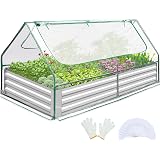
Quictent Raised Garden Bed with Cover Outdoor Galvanized Metal Planter Box Kit, w/ 2 Large Screen Windows Mini Greenhouse 20pcs T Tags 1 Pair of Gloves Included for Growing Vegetables 6x3x1ft (Clear)
$74.99 (as of 12:58 GMT -05:00 - More infoProduct prices and availability are accurate as of the date/time indicated and are subject to change. Any price and availability information displayed on [relevant Amazon Site(s), as applicable] at the time of purchase will apply to the purchase of this product.)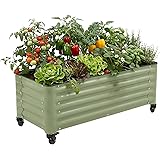
Now retrieving an image set.
Vego garden Classic Rolling Garden Bed – 1.75' Mobile Metal Raised Garden Bed for Patio, Deck, Balcony – Deep Planting Space, Durable & Easy to Move (Olive Green, 1.75'X4')
$219.95 (as of 08:19 GMT -05:00 - More infoProduct prices and availability are accurate as of the date/time indicated and are subject to change. Any price and availability information displayed on [relevant Amazon Site(s), as applicable] at the time of purchase will apply to the purchase of this product.)
Table of Contents
- 1. Assess Your Space and Plan Your Garden Layout
- 2. Choose the Right Vegetables and Herbs for 2025
- 3. Prepare Your Soil for Bountiful Harvests
- 4. Incorporate Sustainable Watering Techniques
- 5. Use Season-Extending Methods to Maximize Growth
- 6. Integrate Companion Planting for Pest Control
- 7. Invest in Quality Gardening Tools and Equipment
- 8. Maintain Your Garden with Consistent Care
- 9. Incorporate Smart Technology for Garden Management
- 10. Learn and Adapt: Stay Informed on Gardening Trends in 2025
1. Assess Your Space and Plan Your Garden Layout
Evaluating Your Backyard Environment
Creating a backyard food garden begins with understanding your available space. Measure your backyard area, noting sunlight exposure, shaded zones, and existing features like trees or structures that could impact plant growth. In 2025, garden design trends emphasize maximizing small spaces with vertical gardening and container setups, making even modest yards productive.
Research indicates that optimal sunlightâat least 6 hours of direct light per dayâis essential for most vegetable plants. Use tools like sunlight meters or simple observation to map out sun patterns throughout the day. Knowing these details helps you plan which crops to place where, ensuring maximum yield and healthy plant development.
Designing your garden layout with a clear plan can prevent overcrowding and promote better air circulation. Consider creating designated zones for vegetables, herbs, and compost areas. Draw your plan on paper or use garden design apps for a visual guide. Precise planning in 2025 can save time, resources, and help you create a thriving backyard food garden.
Implementation Tips for Your Garden Layout
Start with a simple grid or raised bed arrangements to organize your crops effectively. Prioritize accessibilityâorganize plants so you can easily tend to them without stepping on soil beds. Also, consider future expansion, leaving room to grow additional plants next season.
Incorporate pathways and mulching to reduce weeds and maintain soil moisture. Remember, a well-thought-out layout isnât just about aestheticsâit’s about creating an efficient, productive space that will serve your needs well into 2025 and beyond.
2. Choose the Right Vegetables and Herbs for 2025
Trending Produce for the Year
Selecting the right vegetables and herbs is crucial for success. In 2025, homeowners are leaning towards climate-resilient varieties and superfoods. Think about crops like kale, tomatoes, peppers, and herbs such as basil, cilantro, and mint. These thrive in most backyard environments and are highly productive.
Research also shows that planting native or adapted varieties results in better growth and pest resistance. For example, heirloom tomatoes are popular this year because of their flavor and adaptability. Picking seasonally appropriate crops will maximize yield and reduce maintenance.
Lastly, diversify your planting to include a mix of fast-growing greens, root vegetables, and perennial herbs. This strategy ensures continuous harvests and a resilient garden that adapts to changing weather conditions in 2025.
Practical Tips for Crop Selection
When selecting your crops, consider your local USDA hardiness zone and typical weather patterns. Use seed catalogs, local nurseries, or online resources to find varieties suited for your region. Rotate crops annually to prevent soil depletion and disease buildup.
Remember, growing your own food reduces reliance on store-bought produce, saving money and improving food quality. In 2025, sustainable gardening practices are more important than ever, so opt for organic seeds and environmentally friendly fertilizers.
3. Prepare Your Soil for Bountiful Harvests
Soil Testing and Amendments
Healthy soil is the foundation of a successful backyard food garden. Start by testing your soilâs pH and nutrient levelsâkits are readily available online or at garden centers. In 2025, soil health awareness continues to grow, emphasizing organic amendments and regenerative practices.
Based on test results, amend your soil with compost, manure, or organic fertilizers to improve fertility and structure. Aim for rich, loamy soil that retains moisture but drains well, supporting vigorous plant growth. Building healthy soil not only boosts yields but also reduces the need for chemical interventions.
Implementing cover crops such as clover or vetch during the off-season can replenish soil nutrients naturally. Effective soil preparation now will pay off with healthier plants and higher yields throughout 2025.
Techniques for Soil Improvements
Utilize crop rotation strategies to prevent soil-borne diseases and pests. Mulching around plants conserves moisture and suppresses weeds. Consider investing in compost bins or worm farms to produce your own organic compostâthis sustainable approach is increasingly popular in 2025.
Experiment with raised beds or container gardening if your soil quality is poor or compacted. Both methods improve drainage and accessibility, making maintenance easier. Remember, enriching your soil is an ongoing processâregular feeding and aeration help sustain productivity year after year.
4. Incorporate Sustainable Watering Techniques
Smart Irrigation Systems for 2025
Water efficiency is a top priority in modern backyard food gardening. In 2025, smart drip irrigation and rainwater harvesting systems are widely adopted by home gardeners seeking sustainability. These methods conserve water and ensure consistent moisture levels critical for healthy crops.
Automated systems connected to weather apps can adjust watering schedules based on rainfall forecasts, reducing waste. Installing rain barrels or cisterns to collect rainwater not only reduces utility bills but also minimizes environmental impact. These practices are increasingly favored by eco-conscious gardeners in 2025.
Proper watering also involves scheduling early morning or late afternoon sessions to reduce evaporation. Mulching around plants further conserves soil moisture, creating a resilient backyard food garden capable of withstanding dry spells.
Watering Tips for Optimal Growth
Test soil moisture regularly with a simple probe or moisture meter to prevent over- or underwatering. Implementing drip systems ensures roots receive consistent moisture directly, reducing disease risk. Practice watering deeply, encouraging roots to grow deeper for drought resilience.
Incorporate swales or small berms to direct rainwater toward your planting beds in sloped yards. This natural drainage technique is gaining popularity in 2025, helping gardeners make the most of local water resources.
5. Use Season-Extending Methods to Maximize Growth
Protecting Plants in Cooler Months
Season extension techniques allow you to grow fresh food well beyond the typical growing season. In 2025, innovations like high tunnel greenhouses, cold frames, and row covers enable backyard gardeners to harvest in early spring and late fall.
For example, using hoop houses with plastic sheeting can increase temperatures and protect plants from frost, effectively lengthening your growing window. These methods are especially valuable in regions with shorter growing seasons or unpredictable weather.
Investing in season-extending tools in 2025 increases yield and reduces the gap between planting and harvest. Even small setups like mini-greenhouses or thermal blankets can make a significant difference in maintaining an active backyard food garden year-round.
Practical Tips for Extended Growing Seasons
Start seedlings indoors and transplant them outside once conditions permit. Use mulch or thermal blankets overnight to shield plants from temperature drops. Select cold-hardy varieties that tolerate cooler temperatures for your extended season crops.
Furthermore, employing crop succession planting ensures continuous harvests. In 2025, smart sensors can help monitor optimal temperatures, guiding your planting schedule precisely. Adaptability and proper protection are key for maintaining a productive backyard food garden throughout more of the year.
6. Integrate Companion Planting for Pest Control
Beneficial Plant Partnerships
Companion planting involves pairing plants that mutually benefit each other through pest control, pollination, or growth support. In 2025, this sustainable practice is increasingly vital as gardeners seek natural solutions instead of chemical pesticides.
For instance, planting basil next to tomatoes can repel pests and enhance flavor, while marigolds deter nematodes. These combinations promote healthier plants and higher yields, making your backyard food garden more resilient.
Research-backed plant relationships continue to evolve, with new combinations emerging in 2025 based on ongoing studies. Incorporating companion planting is an effective, eco-friendly way to maintain pest management in your garden.
Implementation Tips for Companion Planting
Design your garden with companion pairs in mind, placing them strategically for maximum benefit. Use visual guides and planting charts from reputable sources or gardening apps. Rotate companion groups annually to prevent pest buildup and soil exhaustion.
In addition to natural pest control, companion planting attracts beneficial insects like pollinators and predatory bugs, further supporting your gardenâs health. Incorporate flowers like zinnias and cosmos to draw pollinators into your backyard food garden in 2025.
7. Invest in Quality Gardening Tools and Equipment
Tools for Efficiency and Comfort
A successful backyard food garden depends on having the right tools. In 2025, ergonomic designs, lightweight materials, and multi-purpose tools are trending, making gardening more accessible and less tiring.
High-quality tools such as pruning shears, trowels, and watering cans improve efficiency and reduce fatigue. Investing in durable equipment means less replacement and better results in your garden. For example, battery-powered pruners can speed up maintenance tasks, saving time in your busy schedule.
Furthermore, organization tools like tool racks or storage sheds keep your equipment clean and accessible. Proper tools translate to better garden care and more enjoyment from the process.
Maintenance and Upkeep
Regularly sharpen and sanitize your tools to prevent disease spread. Use dedicated tools for different plant groups to avoid cross-contamination. As your backyard food garden in 2025 grows, upgrading your equipment according to emerging eco-friendly options can also benefit your gardenâs sustainability.
Incorporate protective gear like gloves and knee pads for safety and comfort. Well-maintained tools and equipment are essential for a productive and enjoyable gardening experience.
8. Maintain Your Garden with Consistent Care
Routine Maintenance Practices
Consistency is key when creating a backyard food garden. Regular watering, weeding, mulching, and fertilizing set the foundation for healthy plants. In 2025, data shows that a disciplined maintenance routine significantly increases crop yield and quality.
Set a weekly schedule to inspect your garden, remove pests, and prune when necessary. Organic pest control methods like neem oil and insecticidal soaps provide effective solutions without harming beneficial insects.
Layering mulch reduces weeds, maintains moisture, and improves soil health over time. Staying attentive and proactive ensures your garden remains productive and vibrant all season.
Monitoring and Troubleshooting
Keep a garden journal or use apps to track plant health, growth progress, and pest issues. Early detection is vitalâaddress problems before they escalate. Learning to identify symptoms early can save your crops from disease or significant pest damage.
Adjust your care based on weather patterns and plant responses. For example, supplement watering during dry spells or provide shade during heatwaves in 2025. Consistent care translates to a rewarding, thriving backyard food garden.
9. Incorporate Smart Technology for Garden Management
Innovations in 2025 for Backyard Gardening
Technology continues to revolutionize creating a backyard food garden. In 2025, smart sensors, automated watering systems, and gardening apps help optimize plant care with minimal effort.
Real-time soil moisture sensors notify you when plants need water, reducing waste. Automated drip systems can be programmed via smartphone, ensuring precise irrigation. Additionally, weather forecast integration helps plan planting, watering, and harvest schedules.
Energy-efficient grow lights and climate control systems also assist in extending your growing season. Embracing these innovations streamlines garden management and increases productivity in your backyard food garden.
Useful Tech Tools and Apps
Explore apps that connect with your garden sensors to provide personalized care recommendations. Use calendar reminders for planting and fertilizing schedules tailored to 2025 trends. Some systems even include pest identification and management tips.
By integrating smart technology, you can make informed decisions quickly, saving time and resources. The future of creating a backyard food garden lies in blending traditional gardening with innovative digital solutions.
10. Learn and Adapt: Stay Informed on Gardening Trends in 2025
Continuous Education and Resources
Gardening is an evolving art, and in 2025, staying informed about new practices, plant varieties, and environmental research is more accessible than ever. Attend local workshops, join online forums, and subscribe to gardening magazines to keep your knowledge current.
Follow trusted sources for updates on climate-resilient crops, organic practices, and sustainable innovations. Adapting your methods based on research ensures your backyard food garden remains productive and ecologically friendly.
Experiment with new techniques, assess their results, and adjust accordingly. Lifelong learning in gardening enhances your skills and the health of your garden in 2025 and beyond.
Community and Expert Support
Engage with local gardening clubs, online groups, or extension services for advice and support. Sharing experiences accelerates learning and inspires new ideas for creating a backyard food garden. In 2025, digital communities can connect you with experts and fellow gardeners worldwide.
Embrace a flexible mindsetâyour garden will respond dynamically to changes. Applying new knowledge and adapting your practices will ensure your backyard food garden flourishes for many seasons to come.
Conclusion
Creating a backyard food garden in 2025 is an exciting journey that combines traditional gardening wisdom with innovative, sustainable practices. By applying these ten effective strategiesâranging from careful planning and crop selection to embracing smart technologyâyou set the stage for a productive, resilient, and eco-friendly garden. Remember, success in creating a backyard food garden depends on continuous learning, adaptation, and passion. Whether you are a novice gardener or an experienced green thumb, these tips will help you optimize your space and enjoy fresh, homegrown produce throughout 2025 and into future years.
Get a free subscription to PREPARE – with more gardening and homesteading tips!
Frequently Asked Questions
- 1. What are the best vegetables to grow in a backyard food garden in 2025?
- In 2025, popular choices include tomatoes, peppers, kale, carrots, and herbs like basil and cilantro. These crops are resilient, high-yielding, and suited for various climates.
- 2. How can I maximize space when creating a backyard food garden?
- Use vertical gardening, container planting, and raised beds to optimize limited space. Companion planting also helps maximize productivity by making efficient use of available area.
- 3. What tools are essential for creating a backyard food garden?
- Basic tools such as pruning shears, trowels, watering cans, and gloves are essential. Investing in ergonomic and durable tools can make garden maintenance easier and more comfortable.
- 4. How do I incorporate sustainable watering techniques in 2025?
- Use smart drip irrigation systems, rainwater harvesting, and mulching to conserve water. Automated sensors and weather-based watering programs can further enhance efficiency.
- 5. How important is soil health for creating a backyard food garden?
- Soil health is fundamental for plant growth. Regular soil testing, organic amendments, cover cropping, and crop rotation improve soil quality and boost productivity in 2025.