Now retrieving an image set.
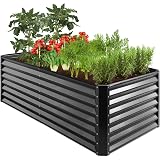
Best Choice Products 6x3x2ft Outdoor Metal Raised Garden Bed, Deep Root Box Planter for Vegetables, Flowers, Herbs, 269 Gallon Capacity, 100% Non Toxic Materials - Gray
$89.99 (as of 12:59 GMT -05:00 - More infoProduct prices and availability are accurate as of the date/time indicated and are subject to change. Any price and availability information displayed on [relevant Amazon Site(s), as applicable] at the time of purchase will apply to the purchase of this product.)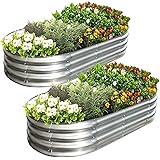
Now retrieving an image set.
AmazStove Galvanized Raised Garden Bed Kit, Planter Garden Boxes Outdoor, Oval Large Metal for Vegetables Fruits, Flowers Planter Boxes, Easy Assembly Garden Bed Kit 4x2x1 FT (2-Pack)
$39.99 (as of 12:59 GMT -05:00 - More infoProduct prices and availability are accurate as of the date/time indicated and are subject to change. Any price and availability information displayed on [relevant Amazon Site(s), as applicable] at the time of purchase will apply to the purchase of this product.)- 1. Understand Why Crop Rotation Matters in Vegetable Gardening
- 2. Know Your Plant Families
- 3. Plan Your Rotation Schedule Strategically
- 4. Incorporate Cover Crops for Better Soil Health
- 5. Rotate Crops Based on Nutrient Needs
- 6. Use Companion Planting to Enhance Rotation Benefits
- 7. Keep Detailed Records of Your Crop Rotations
- 8. Be Flexible and Adaptable with Your Plan
- 9. Incorporate Organic Amendments to Support Rotation
- 10. Stay Informed on Latest Trends in Crop Rotation in Vegetable Gardening
1. Understand Why Crop Rotation Matters in Vegetable Gardening
The foundation of sustainable gardening
Crop rotation in vegetable gardening is a fundamental practice that helps maintain healthy soil and reduce pest and disease problems. By not planting the same type of crop in the same location year after year, you prevent the buildup of specific pathogens and pests that target particular plant families. In 2025, this traditional technique remains one of the most effective methods for sustainable gardening. Understanding this principle is the first step towards more productive and resilient vegetable gardens.
Implementing crop rotation can significantly decrease the need for chemical interventions, making your garden more eco-friendly. Moreover, rotating crops helps improve soil fertility naturally by balancing nutrient demands and preventing soil exhaustion. For instance, root crops like carrots and potatoes drain different nutrients compared to leafy greens like lettuce and spinach, so planning rotations accordingly optimizes soil health.
Scientific backing and current trends
Recent research in 2025 shows that crop rotation in vegetable gardening can reduce pest populations by up to 70%, notably decreasing reliance on pesticides. Studies from agricultural universities highlight that well-planned crop rotation schemes also improve soil microbial diversity, leading to healthier plants with better yields. This is especially vital as gardeners face climate challenges and soil degradation trends in 2025.
To learn more about soil health, see our guide on soil management in vegetable gardening.
2. Know Your Plant Families
Classifying your crops for effective rotation
One of the key aspects of crop rotation in vegetable gardening is understanding plant families. Vegetables are grouped into families such as Brassicaceae (broccoli, cabbage), Solanaceae (tomatoes, peppers), and Fabaceae (beans, peas). Grouping your crops helps you avoid planting the same family repeatedly in the same spot.
In 2025, many gardeners use simplified charts or apps to track plant families. This knowledge allows you to rotate crops efficiently and minimize disease risks like clubroot or blight, which are often family-specific. A practical tip is to plan your garden layout so that each family rotates into a different bed each year based on their classification.
Benefits of plant family rotation
Rotating by plant family prevents the buildup of pests and diseases that target specific families. For example, rotating brassicas to a new bed reduces the risk of soil-borne diseases like black rot. Additionally, different families have varying nutrient requirements, which helps maintain balanced soil nutrients over time.
For detailed plant family charts, check out our comprehensive plant family guide.
3. Plan Your Rotation Schedule Strategically
Designing a multi-year plan for your garden
Effective crop rotation requires a clear plan. Start by mapping out your garden beds and assigning crop families to each bed for at least three to four years. This strategic planning helps you identify gaps and ensure proper diversity. Many experienced gardeners in 2025 use spreadsheets or dedicated apps to keep track of their rotation schedules.
Consider the growing season length and crop rotation patterns to create a realistic timeline. For example, a typical rotation might involve planting legumes one year, followed by heavy feeders like tomatoes the next, and then greens afterward. This rotational cycle ensures soil health and continuous productivity.
Adapting your plan as you go
While planning is essential, flexibility is equally important. Weather events, pest outbreaks, or unexpected crop failures may require adjustments. Keeping detailed records allows you to adapt your rotation plan in subsequent years, learning from each season to optimize for 2025’s conditions.
For our sample crop rotation plan, see this detailed guide.
4. Incorporate Cover Crops for Better Soil Health
Types of cover crops and their benefits
Cover crops like clover, vetch, and rye are excellent additions to crop rotation in vegetable gardening. They protect the soil between main crop plantings, prevent erosion, and add organic matter. Cover crops also fix nitrogen, reducing the need for synthetic fertilizers in 2025.
Incorporating legumes as cover crops, for example, can increase soil nitrogen content by up to 100 pounds per acre, according to recent studies. This benefits subsequent vegetable crops that are heavy feeders, like tomatoes and peppers. Conversely, grasses or grains can help scavenge leftover nutrients and suppress weeds.
Timing and management of cover crops
The key to successful cover cropping is timing. Plant cover crops in the fall or during off-seasons and terminate them before planting your main crops. Proper termination methods include mowing or tilling, which add organic matter back into the soil, improving its structure and fertility for the next crop cycle.
Learn more about cover cropping techniques in our comprehensive cover crop guide.
5. Rotate Crops Based on Nutrient Needs
Matching crop families to soil nutrients
Different vegetables demand varying nutrients. For example, leafy greens like lettuce deplete nitrogen rapidly, whereas root crops like carrots require moderate nutrients. Designing your crop rotation in vegetable gardening around these needs prevents soil depletion over time.
In 2025, soil testing is more accessible than ever, allowing gardeners to tailor their rotation based on actual nutrient levels. Using this data, you can plan rotations that replenish or balance nutrients, making your garden more sustainable and reducing fertilizer costs.
Implementing crop-specific rotations
Heavy feeders should be followed by crops that restore nutrients, such as legumes. Conversely, after planting nitrogen-depleting crops, incorporate compost or organic amendments to prepare the soil for the next planting cycle. This strategic approach ensures soil health is maintained or improved over years.
See our soil nutrition management tips for more details.
6. Use Companion Planting to Enhance Rotation Benefits
Benefits of companion planting with crop rotation
Companion planting involves growing certain plants together to improve growth, repel pests, or enhance flavor. Combining this with crop rotation in vegetable gardening can further reduce pest pressure and improve yields. For example, basil planted near tomatoes can help ward off pests and boost flavor.
In 2025, many gardeners experiment with companion planting as part of their rotation strategy, which can reduce pest issues by nearly 50%. This holistic approach creates a more resilient ecosystem within your garden.
Practical tips for companion planting
Plan your crop rotation to include compatible companions. For example, planting marigolds with beans can help repel nematodes naturally. Keep records of successful combinations to refine your approach over time. Remember, diversity is key to a healthy, pest-resistant garden.
Get a free subscription to PREPARE – with more gardening and homesteading tips!
Explore more companion planting ideas in our guide to companion planting.
7. Keep Detailed Records of Your Crop Rotations
Why record-keeping is crucial
Accurate record-keeping allows you to track what you’ve planted, where, and how it performed. This information is invaluable for refining your crop rotation in vegetable gardening for future seasons. Many successful gardeners in 2025 keep detailed logs or digital records.
Details such as yield, pest occurrences, and soil amendments can help identify patterns and areas for improvement. Over time, these records help develop a tailored rotation plan that maximizes productivity and minimizes issues.
Tools for effective record-keeping
Use simple notebooks, spreadsheets, or gardening apps to log your planting dates, crop types, and outcomes. For example, tracking pest outbreaks alongside rotations can reveal vulnerabilities or effective strategies. Consistency is key; update your records after each harvest.
See our article on best tools for garden record-keeping.
8. Be Flexible and Adaptable with Your Plan
Adjusting your crop rotation in vegetable gardening
While planning is essential, the ability to adapt to changing conditions is equally important. Pest outbreaks, weather anomalies, or unforeseen crop failures may necessitate modifications to your crop rotation schedule. In 2025, flexibility remains a hallmark of successful, sustainable gardening.
Learn to observe your garden carefully and adjust your plans accordingly. For example, if a pest problem persists in a particular bed, consider swapping crops or adding cover crops to disrupt pest cycles. Crop rotation should be a dynamic process rather than a rigid schedule.
Learning from each season
Every season provides valuable insights. Use these experiences to improve your rotation plan for subsequent years. Tracking what worked and what didn’t will help you build a more resilient garden over time, ensuring continuous productivity and soil health.
For more on adapting your garden practices, visit our guide on adaptive gardening strategies.
9. Incorporate Organic Amendments to Support Rotation
Enhancing soil naturally
Organic amendments like compost, manure, and biofertilizers complement crop rotation in vegetable gardening by improving soil fertility and structure. In 2025, many gardeners focus on organic solutions to sustain long-term productivity.
Adding compost after each harvest replenishes nutrients and boosts microbial diversity, which is vital for healthy crop rotation. Organic amendments also help buffer soil pH and improve water retention.
Timing and application tips
Spread organic amendments during fall or early spring to prepare the soil for upcoming crops. Incorporate them well before planting to allow nutrients to integrate and microbes to activate. This sustainable approach reduces dependency on synthetic fertilizers and promotes a healthy soil ecosystem.
Learn more about organic gardening practices in our organic farming tips.
10. Stay Informed on Latest Trends in Crop Rotation in Vegetable Gardening
Following research and innovations
The gardening landscape in 2025 continues to evolve with advances in sustainable practices, new pest-resistant crop varieties, and innovative soil management techniques. Staying informed ensures your crop rotation strategies remain effective and up-to-date.
Subscribe to gardening journals, participate in local workshops, and follow trusted online sources to learn about new research and technologies. This ongoing education helps you implement best practices in crop rotation in vegetable gardening.
Community and online resources
Joining gardening communities, forums, and social media groups provides peer support and fresh ideas. Sharing your experiences and challenges can lead to valuable insights and improvements in your crop rotation plan.
Explore our recommended resources for modern gardeners.
Frequently Asked Questions
Q1. What is crop rotation in vegetable gardening?
Crop rotation in vegetable gardening is the practice of changing the type of crops grown in a specific area each year to improve soil health, reduce pests and diseases, and increase yields.
Q2. How often should I rotate crops in my garden?
Avoid planting the same crop family in the same spot more than once every 3-4 years. Planning your crop rotation in vegetable gardening over multiple seasons helps maintain soil vitality and manage pests effectively.
Q3. Can I use crop rotation to control pests naturally?
Yes, crop rotation disrupts pest life cycles by changing crop families and planting patterns, significantly reducing pest populations without chemicals.
Q4. How do I start planning crop rotation in my vegetable garden?
Begin by classifying your crops into families, plan a multi-year rotation schedule, keep records of past plantings, and be flexible to adapt as needed. Using tools like garden journals or apps can streamline this process.
Q5. Why is crop rotation in vegetable gardening important for 2025?
Crop rotation in vegetable gardening remains critical in 2025 to sustain soil health, minimize chemical use, and increase productivity. Staying consistent with these practices supports long-term gardening success.
Conclusion
In closing, mastering crop rotation in vegetable gardening is essential for cultivating healthy, productive gardens in 2025. By understanding plant families, planning your rotation schedule, utilizing cover crops, and staying informed on the latest trends, you can maximize your gardenâs potential while preserving soil vitality. Consistent application of these 10 effective tips will ensure your vegetable garden remains sustainable and bountiful for years to come. Remember, implementing a strategic crop rotation in vegetable gardening is not just a gardening best practiceâit’s an investment in the future health of your soil and your harvests.