Now retrieving an image set.
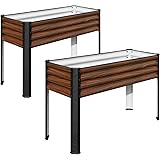
SnugNiture Raised Garden Bed with Legs, 2PCS 48×18×32in Outdoor Metal Elevated Raised Planter Box for Backyard, Patio, Balcony
$109.99 (as of 08:19 GMT -05:00 - More infoProduct prices and availability are accurate as of the date/time indicated and are subject to change. Any price and availability information displayed on [relevant Amazon Site(s), as applicable] at the time of purchase will apply to the purchase of this product.)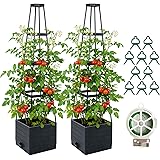
Now retrieving an image set.
2 Pack Raised Garden Bed Planter Box with Trellis, 57'' Self Watering Tomato Planters for Climbing Plants, Tomato Cage Trellis for Vegetables & Vine Flowers Indoor Outdoor Patio
$28.99 (as of 08:19 GMT -05:00 - More infoProduct prices and availability are accurate as of the date/time indicated and are subject to change. Any price and availability information displayed on [relevant Amazon Site(s), as applicable] at the time of purchase will apply to the purchase of this product.)- 1. Use Kitchen Waste for Nutrient-Rich Compost
- 2. Incorporate Coffee Grounds for a Nitrogen Boost
- 3. Make Fish Emulsion from Your Kitchen Scraps
- 4. Utilize Eggshells for Calcium Enhancement
- 5. Prepare Compost Tea for Immediate Plant Nutrition
- 6. Use Banana Peels for Potassium and Magnesium
- 7. Mix Seaweed for Trace Minerals
- 8. Create Manure-Based Fertilizers Safely
- 9. Add Epsom Salt for Leaf and Root Development
- 10. Maintain Proper pH Balance in Your DIY organic fertilizer
1. Use Kitchen Waste for Nutrient-Rich Compost
Understanding Composting Basics
One of the simplest and most effective ways to create a DIY organic fertilizer for 2025 is by composting kitchen waste. Organic scraps like vegetable peels, coffee grounds, eggshells, and fruit scraps decompose over time, transforming into nutrient-dense compost. This compost acts as a natural fertilizer, enriching your soil with organic matter and essential nutrients. Itâs a sustainable practice that reduces waste while providing plants with a healthy boost.
To start composting, set up a bin in your backyard or use a compost tumbler. Layer green waste (aerobic, nitrogen-rich materials like vegetable scraps) with brown waste (carbon-rich materials like dried leaves and paper). Proper layering and maintaining moisture levels ensure efficient decomposition. Within 3-6 months, you’ll have dark, crumbly compost ready to feed your plants.
In 2025, the focus on eco-friendly gardening makes this DIY organic fertilizer method more popular than ever. Using kitchen waste not only reduces landfill contributions but also gives you a continuous supply of natural fertilizer for your garden needs. Remember, composting is highly customizable â you can add specific nutrients based on plant requirements.
Tips for Successful Composting
For optimal results, avoid composting meat, dairy, and oily foods as they tend to attract pests. Mix green and brown materials thoroughly to promote airflow and decomposition. Regular turning of the compost pile helps prevent odor and accelerates nutrient breakdown. Testing your compostâs temperature and moisture levels ensures efficient composting, which is key for producing high-quality DIY organic fertilizer in 2025.
Practical Applications
Once your compost is ready, use it as a top dressing around your plants or mix it into garden beds. Compost improves soil structure, increases water retention, and supplies vital nutrients organically. This practice is especially beneficial for vegetable gardens and flower beds, helping plants thrive in an eco-conscious way.
2. Incorporate Coffee Grounds for a Nitrogen Boost
Why Coffee Grounds Are Valuable
Used coffee grounds are a fantastic addition to your DIY organic fertilizer arsenal in 2025. They are rich in nitrogen, an essential nutrient for leafy growth and overall plant vigor. Adding coffee grounds directly to your compost or sprinkling them around plants provides an immediate nitrogen source, stimulating lush foliage and vigorous growth.
Research suggests that coffee grounds can increase soil nitrogen levels by up to 2%, making them a cost-effective and eco-friendly fertilizer component. They also help improve soil aeration and drainage, which benefits root health. For best results, dry used coffee grounds before use to minimize mold risk.
If you have an abundant coffee habit, spreading coffee grounds in your garden is a sustainable way to recycle waste while providing plants with vital nutrients in 2025. Remember, moderation is key to prevent excess acidity; regular testing of soil pH ensures optimal conditions.
Application Tips
Sprinkle dried coffee grounds directly into your compost or around perennial plants. Avoid applying them in thick layers as they can compact and impede water flow. Instead, mix them into the soil or compost to ensure effective nutrient release. You can also brew strong coffee and use the leftover liquid as a foliar feed, offering an immediate nutrient boost.
3. Make Fish Emulsion from Your Kitchen Scraps
Understanding Fish Emulsion
Fish emulsion is an incredibly potent DIY organic fertilizer that provides a quick nutrient boost, especially in 2025 gardening. Itâs made by fermenting fish scrapsâlike leftover fillets or fish headsâcreating a liquid high in nitrogen, phosphorus, and potassium. This natural fertilizer enhances plant growth, flowering, and fruiting.
Preparing fish emulsion at home is cost-effective and reduces waste. The fermentation process involves blending fish scraps with water, sometimes adding molasses or seaweed for extra nutrients, and letting it ferment over a couple of weeks. Strain the mixture, dilute it with water (generally 1:5 or 1:10), and use it as a foliar spray or soil drench.
In 2025, the emphasis on sustainable, organic practices makes DIY fish emulsion a popular choice among eco-conscious gardeners. Itâs especially beneficial for vegetable crops, flowering plants, and fruit trees, providing a rapid nutrient source that stimulates healthy growth.
Safety and Storage
Ensure that fish scraps are fresh and free from contaminants. Store the fermented emulsion in a sealed container away from direct sunlight. Use within a few weeks to maintain potency. Always dilute before applying to prevent burning plants or creating unpleasant odors.
Application Techniques
Apply fish emulsion as a foliar spray or directly to the soil for fast absorption. Itâs best used in the early growth stages of plants or during flowering for maximum effect. Use caution not to overapply, as concentrated fish emulsion can cause leaf burn.
4. Utilize Eggshells for Calcium Enhancement
Why Eggshells Matter
Eggshells are an ingenious source of calcium, crucial for cell wall development and overall plant health. In 2025, many gardeners are turning eggshells into DIY organic fertilizer to naturally supply this vital mineral. Crushed eggshells decompose slowly, gradually releasing calcium into the soil, which helps prevent issues like blossom-end rot in tomatoes and peppers.
Moreover, eggshells contain small amounts of magnesium, potassium, and other trace minerals that contribute to balanced plant nutrition. Recycling eggshells reduces household waste and turns what might be trash into a valuable garden resource.
Prepping eggshells involves cleaning, drying, and crushing them into a fine powder. You can mix this powder into compost or directly into planting holes for slow-release fertilization in 2025.
Practical Tips
Ensure shells are thoroughly cleaned to prevent bacterial growth. Mix powdered eggshells into your garden beds before planting or add them to your compost pile. For quick calcium availability, soak crushed shells in vinegar and then dilute the solution to water your plants.
Benefits for Your Garden
Adding eggshells can reduce the need for synthetic calcium supplements and improve the overall soil quality. They are especially beneficial for legumes, tomatoes, and other calcium-hungry plants. Including eggshells in your DIY organic fertilizer routine in 2025 supports sustainable gardening efforts and healthy plant development.
5. Prepare Compost Tea for Immediate Plant Nutrition
What Is Compost Tea?
Compost tea is a liquid fertilizer made by steeping finished compost in water. It provides an instant nutrient boost and benefits your plants quickly. In 2025, it remains a favorite technique among organic gardeners due to its ease of use and effectiveness. Itâs a way to deliver a concentrated dose of microbes, trace minerals, and nutrients directly to plant roots and foliage.
To make compost tea, soak compost in water (generally a ratio of 1:5) for 24-48 hours, aerating the mixture to promote microbial growth. Strain out solids and use the liquid to nourish seedlings, vegetables, and flowering plants. This DIY organic fertilizer is especially useful during peak growth stages.
Regular application of compost tea enhances soil microbial life, which improves nutrient cycling and plant health in your garden in 2025. Itâs a natural alternative to synthetic fertilizers, aligning with eco-friendly trends.
Application Tips
Use compost tea as a foliar spray or soil drench. Spray early in the morning or late in the afternoon to maximize absorption. Reapply every 1-2 weeks during the growing season for best results.
Additional Benefits
Applying compost tea can also help suppress soil-borne diseases and improve plant resilience. Itâs a quick way to supply plants with essential nutrients and beneficial microbes, fostering healthy, vigorous growth in 2025 gardening environments.
Get a free subscription to PREPARE – with more gardening and homesteading tips!
6. Use Banana Peels for Potassium and Magnesium
Nutritional Benefits of Banana Peels
Banana peels are a natural source of potassium and magnesium, both vital for flowering and fruit development. In 2025, many gardeners include banana peels in their DIY organic fertilizer recipes to enhance plant vitality without synthetic additives. Dried and crushed banana peels decompose gradually, releasing nutrients over time.
You can also soak peels in water for a few days, then use the resulting liquid to fertilize container plants or garden beds. This method provides an immediate nutrient boost, particularly during flowering or fruiting stages.
Using banana peels is sustainable and cost-effective. It reduces household waste and adds an organic, nutrient-rich component to your fertilizer regimen in 2025 gardens.
How to Use Effectively
Add chopped banana peels directly into compost piles or bury them in garden beds. For quick results, make a banana peel extract by soaking peels in water for 2-3 days and use as a foliar spray. This method supplies potassium and magnesium directly to your plants.
Plant Growth Improvement
Banana peel applications support healthy root systems, improve flowering, and boost fruit quality. Theyâre suitable for vegetables, flowering plants, and fruit trees, making them a versatile component of your DIY organic fertilizer plan for 2025.
7. Mix Seaweed for Trace Minerals
Seaweed as a Superfood for Plants
Seaweed is a treasure trove of essential trace minerals, growth hormones, and amino acids that promote vigorous plant development. In 2025, using homemade seaweed extracts or dried seaweed in your DIY organic fertilizer can dramatically enhance plant resilience and productivity.
Gather fresh seaweed or purchase dried seaweed, rinse thoroughly, and steep in water for a week to create a nutrient-rich extract. Dilute before applying as a foliar spray or soil drench. This natural supplement supports overall plant health and stress tolerance.
Seaweed-based DIY fertilizers are especially popular in coastal regions and for gardeners seeking organic solutions in 2025. They help improve soil structure and promote beneficial microbial activity.
Application & Tips
Apply seaweed extract biweekly during active growth periods for best results. Use it on vegetables, ornamentals, and fruit trees. Ensure proper dilution to prevent excessive salinity, which can harm plants.
Advantages for Your Garden
Seaweed fertilizers are a sustainable way to naturally boost plant growth. They support root expansion, flowering, and fruiting, aligning with eco-friendly gardening principles for 2025. Incorporate seaweed into your DIY organic fertilizer routine for a resilient, productive garden.
8. Create Manure-Based Fertilizers Safely
The Benefits of Manure
Animal manureâlike cow, horse, or chicken manureâis a classic DIY organic fertilizer known for its high nitrogen, phosphorus, and potassium content. In 2025, composted manure remains a cornerstone of sustainable gardening, provided itâs processed safely to eliminate pathogens.
Proper composting of manure involves aging it for at least six months. This process reduces harmful bacteria and stabilizes nutrients, making it safe and effective for garden application. Well-composted manure improves soil fertility, microbial activity, and overall plant health.
Itâs vital to source manure from healthy animals and avoid fresh manure that can burn plants or introduce parasites. Use composted manure as a mulch or soil amendment to enrich your garden naturally.
Application Process
Mix manure into garden beds before planting or apply as a top dressing during the growing season. Spread evenly and water thoroughly to help nutrients penetrate the soil. Adjust application rates based on crop needs and soil test results.
Environmental Impact
Sustainable manure use in 2025 emphasizes recycling waste and reducing reliance on synthetic fertilizers. When properly processed, manure provides a slow-release, organic source of nutrients, supporting eco-friendly gardening practices while boosting plant productivity.
9. Add Epsom Salt for Leaf and Root Development
Why Epsom Salt?
Epsom salt, chemically known as magnesium sulfate, is a quick and easy DIY organic fertilizer component in 2025. It supplies magnesiumâa core element for chlorophyll productionâand sulfur, both vital for healthy leaf development and strong root systems.
Many gardeners incorporate Epsom salt into their routines by mixing 1-2 tablespoons per gallon of water. Applying this solution as a foliar spray or soil drench encourages lush foliage, flowering, and fruiting across various plants.
Research from 2025 indicates that magnesium deficiencies impair photosynthesis and plant growth, making Epsom salts an effective remedy during peak growing seasons.
Usage Recommendations
Apply Epsom salt solutions every 2-4 weeks during active growth. Be cautious not to overuse, as excess magnesium can interfere with other nutrient absorption. Use in conjunction with other DIY organic fertilizers to maintain balanced nutrition.
Benefits in 2025 Gardening
Adding Epsom salt helps improve flowering in roses, tomatoes, and peppers. It also promotes healthy root development, which is essential for resilient plants in changing climatic conditions of 2025. When combined with other natural fertilizers, it creates a comprehensive, supportive feeding regimen.
10. Maintain Proper pH Balance in Your DIY organic fertilizer
Why pH Matters
Maintaining the correct soil pH is crucial for nutrient availability. In 2025, organic gardeners are increasingly aware that DIY fertilizers must align with soil pH levels to maximize plant uptake. Most vegetables prefer a pH between 6.0 and 7.0.
Test your soil regularly using affordable kits or electronic testers. Adjust pH as needed with organic amendmentsâsuch as adding lime to raise pH or sulfur to lower itâbefore applying your DIY organic fertilizer.
Ensuring optimal pH enhances the effectiveness of your homemade fertilizers, leading to healthier, more productive plants in 2025 gardens.
Practical Tips
- Conduct soil tests annually or before major planting seasons.
- Use organic pH adjusters in combination with your DIY fertilizers for better results.
- Record pH changes and adjust your fertilization plan accordingly.
Conclusion
Creating a DIY organic fertilizer in 2025 is not only cost-effective but also a sustainable way to ensure your plants thrive. By
Get a free subscription to PREPARE – with more gardening and homesteading tips!
Related Content
- Three Tomatoes in Alameda: The talk of climate change deniers points to a way forward …
- Neha Jaiswal Shares How Paper Bags Can Help Save Our Environment!
- How To Successfully Grow A Healthy Organic Garden
- The Benefit of Composting
- How to get rid of your Christmas tree in Philadelphia (the right way) – Axios