Now retrieving an image set.
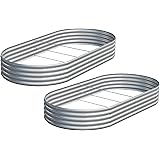
Easllre 2PCS 8x4x1ft Galvanized Metal Raised Garden Bed Kit,Outdoor Planter Box Vegetables,Flowers,Herbs Durable Rust-Resistant Patio Gardening Beds
$59.99 (as of 08:19 GMT -05:00 - More infoProduct prices and availability are accurate as of the date/time indicated and are subject to change. Any price and availability information displayed on [relevant Amazon Site(s), as applicable] at the time of purchase will apply to the purchase of this product.)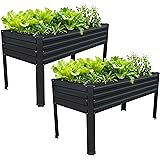
Now retrieving an image set.
Easllre 2PCS 48×24×30in Galvanized Raised Garden Bed,Metal Elevated Planter Box with Legs for Patio,Balcony,Backyard,300lb Capacity,Black
$95.99 (as of 08:19 GMT -05:00 - More infoProduct prices and availability are accurate as of the date/time indicated and are subject to change. Any price and availability information displayed on [relevant Amazon Site(s), as applicable] at the time of purchase will apply to the purchase of this product.)- 1. Carrots: The Classic Root Vegetable
- 2. Lettuce: Fresh Greens in No Time
- 3. Radishes: Fast-Growing and Fun
- 4. Green Beans: Easy Climbing Vegetables
- 5. Zucchini: High-Yield Summer Squash
- 6. Spinach: Nutrient-Packed Leafy Greens
- 7. Cucumbers: Cool and Refreshing
- 8. Peas: Sweet and Easy to Grow
- 9. Cherry Tomatoes: Small, Juicy, and Productive
- 10. Bell Peppers: Colorful and Versatile
1. Carrots: The Classic Root Vegetable
Why Carrots Are Perfect for Beginners
Carrots are often considered one of the easiest vegetables to grow for beginners because they require minimal maintenance and can thrive in a variety of soil types. They are also rewarding since they develop underground, making the harvest exciting as you dig up vibrant orange roots. In 2025, many new gardeners are choosing carrots for their quick germination and straightforward care.
Carrots prefer loose, well-draining soil that isnât too hard or rocky. This helps roots grow long and straight, improving their appearance and taste. For beginning gardeners, preparing the soil with compost and avoiding dense clay ensures healthy growth. Keep the planting bed weed-free to minimize competition for nutrients, and you’ll be surprised how resilient carrots are even for first-time growers.
Tip: Sow carrot seeds directly in the ground about 1/4 inch deep, spaced 2-3 inches apart. Water consistently to keep the soil moist, particularly during germination, which takes about 7-14 days. Carrots can be harvested in about 70-80 days, making them a satisfying project for beginners in 2025.
Practical Tips for Growing Carrots
Rotating carrot beds annually prevents soil-borne diseases and maintains soil health. Companion planting with onions or garlic can further deter pests like carrot flies. Mulching helps retain soil moisture and keep weeds down.
Using raised beds or containers is a great way to improve drainage and soil aeration for container carrots. Regularly thin out seedlings to prevent overcrowding, which can stunt root growth. With patience and proper care, your first harvest of homegrown carrots will be both fun and delicious!
2. Lettuce: Fresh Greens in No Time
Getting Started with Lettuce for Beginners
Lettuce is undeniably one of the easiest vegetables to grow for beginners because it thrives in cooler weather and matures quicklyâoften in as little as 30 days. In 2025, with the rise of home gardening, many new gardeners are enjoying harvesting fresh salads from a small patch or containers.
Choose loose-leaf or romaine varieties for faster harvests and easier harvesting. Lettuce prefers partial shade during hot months, making it a versatile crop for various garden setups. Soil should be rich in organic matter, with consistent moisture to keep the leaves tender.
Start by sowing seeds directly in your garden bed or containers. Cover lightly with soil and keep moist. As leaves mature, you can harvest individual leaves or cut entire rosettes, ensuring a continuous supply of fresh greens throughout the season.
Best Practices for Growing Lettuce Successfully
Succession planting every few weeks ensures a steady harvest. Using organic mulch helps prevent weeds and conserves soil moisture. For sustained growth, avoid overheating or letting the soil dry out completely.
In areas with warm climates, doing a quick season extension with shade cloths can prolong your lettuce harvest into hotter months. Growing lettuce in containers also allows you to control soil quality and extend your gardening potential even in limited spaces.
3. Radishes: Fast-Growing and Fun
Why Radishes Are a Beginnerâs Best Bet
Radishes are one of the easiest vegetables to grow for beginners because they germinate quicklyâsometimes within 4-7 daysâand reach maturity in about 3-4 weeks. This rapid turnaround makes them perfect for new gardeners eager for quick results in 2025.
Radishes prefer cooler weather, so planting in early spring or fall is ideal. They thrive in well-drained soil with moderate fertility. Radishes are also excellent for small garden beds or containers, making them accessible for urban gardeners or those with limited space.
For best results, sow radish seeds directly into the soil. Keep the soil evenly moist and thin seedlings to prevent overcrowding. Radishes require minimal care but should be harvested as soon as roots reach desired size to avoid woody textures.
Growing Tips for Radishes
Adding a light layer of mulch keeps soil moist and temperature consistent. Radishes can be grown alongside lettuce or spinach for a productive mixed bed. Regular watering and thinning are key to achieving large, crisp radishes.
In 2025, using quick-maturing radish varieties will ensure you enjoy multiple harvests throughout the season. Radishes are also a fun vegetable for kids learning about gardening, providing fast rewards for their effort.
4. Green Beans: Easy Climbing Vegetables
Getting Started with Green Beans
Green beans are among the easiest vegetables to grow for beginners, especially the bush variety, which requires less staking and maintenance. They are productive, nutritious, and a favorite for many new gardeners in 2025 looking for quick yields.
Green beans prefer warm soil and full sun. Plant seeds directly into well-drained soil after the last frost date in spring. The beans germinate in about 7-14 days and are typically ready to harvest in 50-60 days.
Ensuring consistent watering and providing support for pole varieties guarantees healthy growth. Both bush and pole types are suitable for small gardens and containers, offering flexibility for all gardeners.
Tips for Growing Green Beans
Use organic compost to promote healthy growth. Mulching helps retain moisture and suppress weeds. Regular harvesting encourages plants to produce more beans throughout the season.
In 2025, exploring stringless or dwarf varieties will simplify harvesting and maximize your garden’s productivity. Green beans are dependable, making them a top choice in the list of easy vegetables to grow for beginners.
5. Zucchini: High-Yield Summer Squash
Starting Zucchini Plants for Beginners
Zucchini is renowned for being one of the easiest vegetables to grow for beginners due to its prolific nature and minimal care requirements. In 2025, gardeners are planting zucchini as part of their summer vegetable rotations for abundant harvests.
Plant seeds directly in rich, well-drained soil after danger of frost has passed. Zucchini plants grow rapidly, often producing fruit within 45-55 days. They enjoy full sun and consistent watering to encourage healthy flowering and fruiting.
Spacing plants adequately (about 24-36 inches apart) and mulch helps conserve moisture and control weeds. Regular harvesting prevents the fruits from becoming too large and bitter.
Practical Growing Tips
Using trellises or cages can help manage zucchini plants, especially in limited space. Companion planting with nasturtiums or marigolds can help deter pests naturally. Focus on maintaining soil moisture and removing excess female flowers to promote larger zucchinis.
By choosing high-yield varieties in 2025, even beginner gardeners will enjoy a bountiful harvest of this versatile vegetable.
Get a free subscription to PREPARE – with more gardening and homesteading tips!
6. Spinach: Nutrient-Packed Leafy Greens
Starting Spinach for Fresh and Easy Harvests
Spinach is a top choice among the easy vegetables to grow for beginners due to its fast-growing nature and nutrient density. In 2025, many new gardeners are excited to include spinach in their spring and fall planting schedules.
Spinach prefers cool weather and fertile, moist soil. Sow seeds directly in your garden or containers about 1/2 inch deep, spacing them 2-4 inches apart. Germination occurs within 7-14 days, and leaves can be harvested just 20-40 days after planting.
Consistent watering and partial shade during warmer weather support healthy, tender leaves. Succession planting ensures a continuous supply throughout the growing season.
Growing Tips
Intercrop with radishes or lettuce for efficient space use. Protect young plants from pests like aphids with organic methods. Harvest leaves by snipping outer leaves to promote steady growth until the weather turns hot.
7. Cucumbers: Cool and Refreshing
Growing Cucumbers for Beginners
Cucumbers are among the easiest vegetables to grow for beginners, especially the bush varieties, which are compact and suitable for containers. In 2025, they continue to be a popular choice for gardeners wanting quick, refreshing harvests.
Plant seeds directly in the ground or containers in warm soil after the last frost. They require full sun and well-drained, fertile soil. Vine varieties need support to keep fruit off the ground and facilitate easy harvesting.
Regular watering and feeding with compost help produce crisp, flavorful cucumbers. Harvest when fruits are evenly sized and unblemished, typically within 50-70 days.
Growing Cucumbers Successfully
Mulch around plants to conserve moisture and suppress weeds. Consider companion planting with radishes or nasturtiums to repel pests. Pruning some vine growth can increase air circulation, reducing disease risk.
8. Peas: Sweet and Easy to Grow
Growing Peas for Beginners
Peas are an ideal choice for beginners due to their simple cultivation and quick turnaround, often ready to harvest in about 60 days. In 2025, early spring planting of peas is gaining popularity for fresh, sweet pods.
Plant seeds directly into cool, well-drained soil, 1-2 inches deep and spaced about 1-2 inches apart. Provide trellises or stakes for climbing varieties, which maximize space and ease harvesting.
Ensure consistent watering, particularly during flowering and pod development. Peas are sensitive to heat, so planting early or late in the season helps ensure success.
Tips for Success
- Use organic compost for rich soil
- Plant in succession to extend harvest
- Use pest netting if necessary to keep insects away
9. Cherry Tomatoes: Small, Juicy, and Productive
Growing Tomatoes Made Easy
Cherry tomatoes are among the easiest vegetables to grow for beginners, thanks to their high yield and adaptability. In 2025, many home gardeners are cultivating cherry tomatoes on balconies, patios, or gardens for snacking and salads.
Start with seedlings or transplant young plants after the last frost. Provide a sunny spot, support with cages or stakes, and water regularly. They typically produce fruit within 60-70 days.
Choosing disease-resistant varieties ensures fewer problems and higher yields throughout the season. Regular harvests encourage continuous production.
Garden Tips
Use organic fertilizers to promote vigorous growth. Mulch to maintain soil moisture and prevent soil-borne diseases. Prune excess foliage to improve airflow and disease prevention.
10. Bell Peppers: Colorful and Versatile
Starting Bell Peppers Easily
Bell peppers are among the easiest vegetables to grow for beginners, especially in containers and small spaces. They require warm weather and full sun, making them ideal for summer gardens in 2025.
Start seeds indoors 6-8 weeks before the last frost, then transplant outside once temperatures are consistently above 60°F. Peppers take about 60-85 days to mature and produce colorful, sweet fruits.
Consistent watering and feeding help prevent stress and increase fruit yield. Mulching keeps the soil warm and retains moisture.
Growing Tips
Use organic fertilizer to support healthy growth. Stake plants to prevent damage from wind and support heavy fruiting. Pick fruits when they are fully colored for the best flavor.
Frequently Asked Questions
Q1: What are the easiest vegetables to grow for beginners in 2025?
Some of the easiest vegetables to grow for beginners in 2025 include radishes, lettuce, spinach, and cherry tomatoes. These crops require minimal space, care, and have quick harvest cycles.
Q2: How can I start with little gardening experience?
Start small with simple vegetables like radishes or lettuce. Use raised beds or containers. Follow planting guides carefully, keep soil moist, and harvest promptly. This approach builds confidence and success gradually.
Q3: Are there vegetables that grow well in containers for beginners?
Yes, vegetables like cherry tomatoes, peppers, lettuce, and zucchini grow excellently in containers. Make sure to use the right-sized pots with good drainage and provide adequate sunlight and watering.
Q4: How do I ensure successful growth of easy vegetables to grow for beginners?
Prepare the soil well, plant at the right time, water consistently, and provide adequate sunlight. Companion planting and mulching also help prevent pests and maintain soil health, ensuring a successful gardening experience in 2025.
Conclusion
Choosing the right vegetables is key to a successful and enjoyable gardening experience, especially if you’re just starting out. The list of easy vegetables to grow for beginners in 2025 offers plenty of options to ensure success, quick rewards, and delicious harvests. Whether you have a small balcony or a backyard garden, these vegetables are practical, low-maintenance, and perfect for nurturing your green thumb. Remember, patience and proper care are your best allies in growing healthy, productive plants. Happy gardening!
<!–  –>
–>
Get a free subscription to PREPARE – with more gardening and homesteading tips!
Related Content
- Advocates optimistic key recycling provisions will remain in infrastructure bill
- This housewife turns kitchen waste into black gold
- Start Your Own Homestead with These 9 Things in Mind
- Helping Cambridgeshire Close the Loop on Vegware Waste Collections
- Perennial Vegetables: Low-Maintenance and Highly Rewarding