Now retrieving an image set.
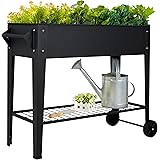
LEETOLLA Elevate 32" Tall Raised Garden Bed Outdoor with Wheels & Shelf for Mobility, 400LBS Capacity, Anti-Rust Steel Planter Box for Vegetables/Herbs, Patio-Balcony-Backyard
$59.84 (as of 12:58 GMT -05:00 - More infoProduct prices and availability are accurate as of the date/time indicated and are subject to change. Any price and availability information displayed on [relevant Amazon Site(s), as applicable] at the time of purchase will apply to the purchase of this product.)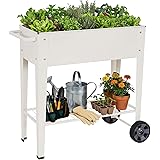
Now retrieving an image set.
BIRDSINYARD Elevated 32" Tall Raised Garden Bed with Legs and Wheels for Mobility, Metal Planter Boxes Outdoor with Shelf, Raised Bed for Gardening Vegetables/Herbs, Backyard, Patio, Balcony, White
$54.99 (as of 08:19 GMT -05:00 - More infoProduct prices and availability are accurate as of the date/time indicated and are subject to change. Any price and availability information displayed on [relevant Amazon Site(s), as applicable] at the time of purchase will apply to the purchase of this product.)- 1. Choose the Right Location
- 2. Start with Easy-to-Grow Plants
- 3. Understand Soil Health and Preparation
- 4. Implement Effective Watering Strategies
- 5. Use Companion Planting Techniques
- 6. Practice Organic Pest Management
- 7. Invest in Quality Seeds and Plants
- 8. Keep a Garden Journal
- 9. Extend Your Growing Season
- 10. Stay Consistent and Patient
1. Choose the Right Location
Assess Sunlight Exposure
One of the most critical factors for edible gardening for beginners is choosing a spot with adequate sunlight. Most vegetable and herb plants require at least 6-8 hours of direct sunlight daily to thrive. Observe your yard or balcony throughout the day to identify the sunniest areas. For example, south-facing spots tend to receive the most consistent sunlight, ideal for tomatoes, peppers, and herbs.
If sunlight is limited, consider using containers on a sunny patio or installing grow lights indoors. These options can make edible gardening for beginners more manageable regardless of space constraints. Remember, successful gardening starts with giving plants the light they need to produce energy.
Pick a Well-Drained Area
Good drainage prevents waterlogging, which can lead to root rot and other health issues. Pick a location with slightly sloped ground or amend the soil with organic matter like compost to improve drainage. Avoid low-lying areas where water tends to pool. This is particularly important for leafy greens and root vegetables.
For portable gardens, choosing container gardening allows you to control drainage easily. Ensuring proper water flow is essential for healthy plant growth and successful edible gardening for beginners in 2025.
2. Start with Easy-to-Grow Plants
Choose Beginner-Friendly Veggies
As a beginner, itâs best to start with plants that are forgiving and low-maintenance. Some top choices include lettuce, radishes, carrots, zucchini, and herbs like basil and mint. These plants often have short germination times and can tolerate minor mistakes in watering or soil conditions.
Starting with easy crops builds confidence and helps you learn the basics of gardening. By 2025, many seed companies offer beginner-friendly kits that simplify planting and care instructions, making it easier to dive into edible gardening for beginners.
Incorporate Herbs for Immediate Success
Herbs are an excellent entry point because they grow quickly and can be harvested multiple times. Basil, cilantro, parsley, and chives are popular choices. Plus, they’re versatile in cooking, providing immediate culinary benefits from your garden.
Growing herbs in small containers or window boxes is practical for limited spaces. They also attract beneficial insects that help control pests naturally. Starting with herbs and easy vegetables sets a strong foundation for your edible gardening journey in 2025.
3. Understand Soil Health and Preparation
Test Your Soilâs Nutrients
Healthy soil is the backbone of successful edible gardening for beginners. Conduct a soil test to determine pH and nutrient levels. Many local cooperative extension offices or online test kits provide affordable options. Knowing your soilâs condition helps you amend it properly and avoid common mistakes like overfertilizing or planting in poor soil.
For 2025, integrating organic matters like compost or aged manure can significantly improve soil fertility, drainage, and microbial activity, ensuring your plants grow strong and healthy.
Amend Your Soil Strategically
Based on test results, amend your soil with organic nutrientsâlike compost, earthworm castings, or organic fertilizersâto create a nutrient-rich environment. Incorporate these amendments into the top 6-12 inches of soil for optimal root development.
Healthy soil promotes better water retention and aeration, making your edible gardening for beginners more fruitful and less frustrating. Remember, good soil management is a long-term investment in your gardenâs success.
4. Implement Effective Watering Strategies
Water Consistently and Appropriately
Proper watering is vital. Overwatering can drown roots, while underwatering stresses plants. Aim to keep soil evenly moist, not soaked. Use a soaker hose or drip irrigation system for consistent moisture and reduced water wastage.
In 2025, consider installing moisture sensors or smart irrigation systems that automatically adjust watering routines based on real-time soil moisture levels, making edible gardening for beginners easier and more efficient.
Time Your Watering
The best time to water is early in the morning or late in the afternoon. This prevents rapid evaporation during midday heat and allows plants to absorb water efficiently. Consistent watering schedules support steady growth, especially during peak growing seasons.
Be mindful of weather forecasts; skip watering after heavy rains. Staying attentive to your gardenâs needs helps prevent common problems like wilted leaves or pests attracted to overly moist environments.
5. Use Companion Planting Techniques
Maximize Space and Benefits
Companion planting involves growing certain plants together to improve growth, deter pests, and boost flavor. For example, plant basil near tomatoes to enhance flavor and repel pests like aphids. Marigolds can deter nematodes and other soil-borne pests when planted alongside vegetable crops.
This strategy is especially useful for small gardens or container setups typical for beginners. It creates a naturally balanced ecosystem that reduces the need for chemical interventions in 2025âs eco-conscious gardening landscape.
Plan Your Garden Layout
Design your garden with companion planting in mind. Use garden planners or apps to map out beneficial pairings. Rotate crops annually to prevent soil depletion and reduce pest buildup.
Effective companion planting can increase yields and plant health, making edible gardening for beginners more rewarding and sustainable in 2025.
6. Practice Organic Pest Management
Identify Common Pests and Solutions
Early identification of pests is key. Use organic methods such as introducing beneficial insects like ladybugs or applying neem oil. Handpicking pests and maintaining plant health through proper watering and fertilization also reduces pest problems naturally.
Get a free subscription to PREPARE – with more gardening and homesteading tips!
In 2025, more beginners are adopting organic practices, supported by increased availability of eco-friendly pest control products. These methods protect your harvest without harming beneficial insects or the environment.
Maintain a Pest-Resistant Garden
Crop diversity and healthy soil contribute to pest resistance. Avoid planting vulnerable crops in the same spot each yearâpractice crop rotation. Use physical barriers like row covers during peak pest seasons for added protection.
Consistent monitoring and organic pest control foster a healthy, sustainable garden that produces safe, delicious food for your family.
7. Invest in Quality Seeds and Plants
Select Reliable Sources
Always buy seeds from reputable suppliers to ensure good germination rates and healthy plants. Look for organic or non-GMO options if possible, especially in 2025 where health-conscious choices are increasingly popular.
Similarly, when buying starter plants, choose certified healthy seedlings to boost your chances of success. This saves time and reduces the risk of disease.
Start from Certified Organic Seeds
Organic seeds are often bred for better resilience and flavor. Starting with high-quality seeds is a small investment that pays off with bountiful harvests and less need for chemical interventions.
During 2025, more growers prioritize sustainability and quality, making it easier for beginners to access superior seeds and plants for edible gardening for beginners.
8. Keep a Garden Journal
Track Your Progress
Document planting dates, weather conditions, watering schedules, and pests observed. Use a simple notebook or a smartphone app. Keeping a garden journal helps identify what works best for your location and climate.
This is especially valuable in 2025 as climate patterns become more unpredictable, allowing you to adapt your practices accordingly. Learning from your experience fosters continuous improvement in edible gardening for beginners.
Plan for Future Seasons
Use your notes to plan crop rotation, identify successful plant varieties, and troubleshoot issues. Planning for the next season ensures steady growth and a rewarding gardening experience.
A good journal makes your gardening journey more engaging and educational, leading to higher yields over time.
9. Extend Your Growing Season
Use Season Extenders
Techniques like row covers, cold frames, or mini greenhouses can protect plants from early frosts or late-season cold snaps. These methods enable year-round harvests and maximize your edible gardening for beginnersâ productivity.
In 2025, innovations in affordable season extenders make it easier for beginners to grow fresh produce beyond the typical planting season, increasing variety and yield.
Select Suitable Crops
Some vegetables, such as kale, carrots, and certain herbs, tolerate colder temperatures. Planting these in late fall or early spring can prolong your harvest window.
By combining season extension techniques with smart crop choices, beginners can enjoy fresh homegrown food for more months of the year.
10. Stay Consistent and Patient
Develop a Routine
Gardening requires regular attention. Set a schedule for watering, harvesting, and checking for pests. Consistency yields healthier plants and better harvests over time.
Patience is equally important. Plants need time to grow, and setbacks are part of gardening. Learning from mistakes helps you improve in future seasons.
Enjoy the Process
Remember, edible gardening for beginners is about enjoying the journey. Celebrate small successes like sprouting seedlings or successful harvests. This positive experience encourages continued growth and learning.
In 2025, embracing a patient, consistent approach will produce the most rewarding results in your edible gardening endeavors.
Conclusion
Embarking on edible gardening for beginners in 2025 can be both exciting and rewarding. By following these 10 effective tipsâfrom choosing the right location to practicing patienceâyou set yourself up for a bountiful harvest and a deeper connection to your food sources. Remember, gardening is a journey of trial and error, but with dedication and the right strategies, you’ll enjoy fresh, organic produce right from your backyard or balcony. Kudos to you for taking the first step â happy gardening!
Frequently Asked Questions
- 1. What is the most important tip for edible gardening for beginners?
- Choosing the right location with sufficient sunlight and good drainage is fundamental to successful gardening.
- 2. How often should I water my garden?
- Most plants prefer evenly moist soil, so watering once a day or every other day, based on weather conditions, keeps them healthy. Using moisture sensors can automate this process.
- 3. Can I start edible gardening in containers?
- Absolutely! Container gardening is ideal for beginners, especially in small spaces. Select suitable pots with drainage holes and use quality potting mix.
- 4. How do I deal with pests organically?
- Introduce beneficial insects, use organic sprays like neem oil, and maintain plant health to naturally control pests without chemicals.
- 5. How do I get started with edible gardening for beginners in 2025?
- Start small with easy-to-grow plants, select a suitable location, prepare your soil, and stay consistent. Remember, patience and learning are key!
Get a free subscription to PREPARE – with more gardening and homesteading tips!
Related Content
- TUV Rheinland Awards Industrial Composting Certification to APP Ningbo Asia Pulp & Paper Co …
- Growing Your Own Food: An Introduction to Organic Gardening
- Requiring composting — and limiting ‘recyclable’ labels | | syvnews.com
- ‘Without the new ideas, we don’t learn’ How farmers are using technology to boost yields
- Return of Curbside Compost Collection Is Delayed on the UWS Due to ‘Lack of Demand’