Now retrieving an image set.
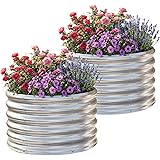
AHEONLAR 2 Pack 2x2x1.5ft Round Galvanized Raised Garden Bed Outdoor Metal Planter Box for Vegetables Steel Raised Beds for Gardening Silver
$44.99 (as of 08:19 GMT -05:00 - More infoProduct prices and availability are accurate as of the date/time indicated and are subject to change. Any price and availability information displayed on [relevant Amazon Site(s), as applicable] at the time of purchase will apply to the purchase of this product.)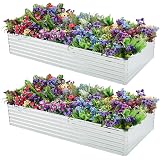
Now retrieving an image set.
Meberam 2 Pack 6x3x1FT Galvanized Raised Garden Beds Kit Outdoor Metal Gardening Planter Box for Vegetable Elevated Flower Herbs,Silver
$49.98 (as of 12:58 GMT -05:00 - More infoProduct prices and availability are accurate as of the date/time indicated and are subject to change. Any price and availability information displayed on [relevant Amazon Site(s), as applicable] at the time of purchase will apply to the purchase of this product.)
Table of Contents
- Introduction
- Understanding Garden Composting Basics
- Setting Up Your Compost Bin Effectively
- Maintaining and Troubleshooting Your Compost
- FAQs About Garden Composting Basics
- Conclusion
Embarking on a journey to understand garden composting basics is a fantastic step toward sustainable gardening in 2025. Whether you’re a beginner or looking to refine your skills, knowing the fundamentals helps you produce rich, nutritious compost for your plants. Composting not only reduces waste but also enhances soil health, making your garden thrive.
In this guide, I’ll share expert tips and practical insights into the garden composting basics that every gardener should master. With a few simple steps and consistent effort, you’ll turn organic waste into a valuable resource. Let’s explore how you can optimize your composting efforts for a lush, eco-friendly garden this year.
Understanding Garden Composting Basics
The Science Behind Composting
Knowing the science behind composting helps you manage your compost efficiently. Microorganisms like bacteria and fungi break down organic matter, turning it into nutrient-rich humus. Maintaining the right balance of carbon-rich (“browns”) and nitrogen-rich (“greens”) materials is key to successful composting.
In 2025, advanced composting techniques incorporate oxygen aeration and temperature control to speed up decomposition. By understanding these basics, you can troubleshoot issues like foul odors or slow breakdown, ensuring your compost remains healthy and active. This knowledge empowers you to create an optimal environment for beneficial microbes.
Types of Composting Methods
There are various methods to approach garden composting, each suited to different space availabilities and lifestyles. Traditional bin composting is straightforward, but options like tumbler composters or Vermicomposting with worms introduce efficiency. Choosing the right method depends on your garden size and how quickly you want compost ready.
In 2025, innovative methods such as in-vessel composting and Bokashi fermentation are gaining popularity. These techniques offer faster results and handle a wider range of organic waste. Familiarizing yourself with these garden composting basics opens up new possibilities for sustainable waste management in your yard.
Ideal Composting Conditions
Creating the perfect environment for composting involves managing moisture, temperature, and airflow. The compost pile should be moist but not soaked, with good aeration to prevent compaction. Warm temperatures, around 135-160°F (57-71°C), facilitate rapid microbial activity and pathogen destruction.
In 2025, smart compost bins with sensors help monitor these conditions, making it easier to maintain optimal garden composting basics. Observing these parameters ensures your compost remains active and odor-free, leading to rich humus in a shorter time frame. Consistent management creates a healthy, thriving compost ecosystem.
Common Composting Challenges
Understanding frequent problems like foul odors, pests, or slimy compost helps you troubleshoot effectively. Overly wet or lacking aeration can lead to unpleasant smells, while adding too many greens attracts pests. Learning the garden composting basics allows you to adjust your process quickly and keep your compost healthy.
In 2025, new solutions such as compost accelerators and pest-resistant bins simplify these challenges. Recognizing signs of trouble early can prevent failed batches and ensure your compost remains a beneficial resource. Patience and learning from each cycle are part of mastering the essentials.
Setting Up Your Compost Bin Effectively with Garden Composting Basics
Choosing the Right Location
Selecting an ideal spot for your compost bin is crucial. It should be accessible, well-drained, and receive some sunlight to promote microbial activity. Avoid placing it in direct shade or near your vegetable garden to prevent attracting pests.
In 2025, smart placement and integration into your landscape design become even more important. A good location ensures you can easily add waste and monitor the composting process, making your efforts more successful and less hassle.
Selecting the Best Bin Type
There are various compost bin types, from open piles to enclosed tumblers. For smaller spaces, tumblers offer convenience and faster compost production, whereas open piles are cost-effective for large gardens. Understanding garden composting basics can help you decide which system aligns with your needs.
In 2025, eco-friendly and durable materials like recycled plastics are trending, making your compost bin both sustainable and long-lasting. The right choice simplifies maintenance and enhances your composting success.
Initial Setup and Layering
Start your compost with a layer of coarse materials like sticks or straw to promote air circulation. Alternate layers of green waste (kitchen scraps, fresh grass clippings) and brown waste (leaves, shredded paper) to balance carbon and nitrogen.
Applying the garden composting basics during setup ensures proper decomposition. Keep in mind that layering helps regulate moisture and temperature, creating an ideal environment for beneficial microbes.
Maintaining Your Compost System
Regular turning or mixing your compost accelerates decomposition by providing oxygen and redistributing heat. It also prevents compacting and reduces odor issues. Monitoring moisture levels and adding water when needed keeps the process smooth.
In 2025, automated tools and composting apps assist in tracking and managing these tasks effortlessly. Consistent maintenance based on garden composting basics guarantees rich, ready-to-use compost in a timely manner.
Maintaining and Troubleshooting Your Compost with Garden Composting Basics
How to Keep Compost Active
Maintaining the right mix of greens and browns is essential for active compost. Regularly add nitrogen-rich materials like vegetable scraps and grass clippings, especially if decomposition slows down. Turn the pile weekly to introduce oxygen and keep microbes engaged.
Get a free subscription to PREPARE – with more gardening and homesteading tips!
In 2025, integrating compost turners and moisture sensors enhances the process, ensuring your compost remains lively. Staying attentive to these garden composting basics results in faster, more nutrient-dense compost for your garden.
Dealing with Odors and Pests
Odors often indicate too much green material or poor aeration. Reducing green waste and turning the pile helps mitigate unpleasant smells. Pests can be deterred by avoiding meat, dairy, or oily foods in your compost.
Applying garden composting basics like proper covering and placement can prevent pest issues. In 2025, pest-resistant bins and sealed composters make this task even easier, protecting your yard and maintaining compost health.
Knowing When Your Compost Is Ready
Complete compost looks dark, crumbly, and soil-like, with a slightly earthy smell. The size of the original waste becomes indistinct, and the material is uniform. Patience is key, but using garden composting basics helps you recognize readiness accurately.
In 2025, quick-test kits are available to assess nutrient content, confirming the compost’s maturity. Properly recognizing the finished product lets you maximize its benefits in your garden.
Recycling Your Finished Compost
Once ready, apply your compost generously around plants, mix it into the soil, or use it in container gardens. It acts as a natural fertilizer and improves soil structure. Regular use of finished compost enhances garden productivity.
In 2025, community compost programs and local garden initiatives encourage sharing and recycling, amplifying your impact. Following garden composting basics ensures your hard work results in beautiful, thriving plants.
Frequently Asked Questions
What are the fundamental garden composting basics I should know in 2025?
The essential garden composting basics include understanding how microorganisms decompose organic waste, maintaining proper balance of greens and browns, ensuring adequate moisture and aeration, and selecting the right composting method for your space. Staying consistent with these principles helps produce high-quality compost efficiently in 2025.
Additionally, monitoring temperature and managing pest issues are crucial. Mastering these gardening composting basics allows you to minimize waste and boost your garden’s health sustainably.
How can I troubleshoot common problems in composting?
Common problems like foul odors or slow decomposition often stem from improper moisture, lack of aeration, or imbalance in green and brown materials. Adding dry browns or turning the compost can resolve these issues. Keeping the pile moist but not wet is vital for microbial activity.
In 2025, new tools and tech make troubleshooting easier, but understanding the basics remains fundamental. Recognizing these issues early prevents failure and ensures continuous compost production.
What is the importance of garden composting basics for sustainable gardening in 2025?
Mastering the garden composting basics is essential for sustainable gardening because it reduces organic waste, lowers reliance on chemical fertilizers, and improves soil health naturally. In 2025, environmental concerns make composting an eco-friendly practice that benefits both your garden and the planet.
Understanding these fundamentals helps you create nutrient-rich compost that results in healthier plants, increased yields, and a more resilient garden ecosystem.
What are some advanced garden composting basics I should learn for 2025?
Advanced garden composting basics in 2025 include using compost accelerators, integrating smart sensors to monitor conditions, and exploring innovative methods like in-vessel composting. These techniques speed up the process and handle diverse waste streams effectively.
Learning these further garden composting basics enhances your skills, allowing you to optimize waste recycling and produce superior compost with less effort.
Understanding and applying garden composting basics is a vital aspect of sustainable gardening in 2025. With the right knowledge, tools, and techniques, you can turn organic waste into valuable compost that nourishes your plants. Embracing these fundamentals empowers you to create healthier soil, reduce waste, and enjoy a thriving garden all year round.
Get a free subscription to PREPARE – with more gardening and homesteading tips!
Find out more information about “garden composting basics”
Search for more resources and information: