Now retrieving an image set.
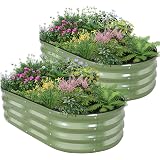
BIRDSINYARD Galvanized Raised Garden Bed - 4×2×1ft (2 Packs) Planter Raised Beds for Gardening | Oval Metal Garden Planter Box with Safety Edging and Gloves for Vegetables Fruits and Flower OliveGreen
$46.99 (as of 12:58 GMT -05:00 - More infoProduct prices and availability are accurate as of the date/time indicated and are subject to change. Any price and availability information displayed on [relevant Amazon Site(s), as applicable] at the time of purchase will apply to the purchase of this product.)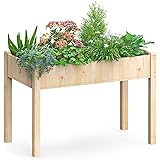
Now retrieving an image set.
DUMOS Raised Garden Bed with Legs, 48x24x30in Wood Elevated Planter Box w/Bed Liner for Herbs Flowers Vegetables, 300lbs Capacity Outdoor Gardening Planters for Patio Balcony Backyard, Natural Wood
$49.96 (as of 12:58 GMT -05:00 - More infoProduct prices and availability are accurate as of the date/time indicated and are subject to change. Any price and availability information displayed on [relevant Amazon Site(s), as applicable] at the time of purchase will apply to the purchase of this product.)Table of Contents
- Introduction to Garden Planning for Beginners
- 1. Assess Your Garden Space Effectively
- 2. Set Clear Gardening Goals for 2025
- 3. Understanding Your Climate and Soil Type
- 4. Choosing Suitable Plants for Beginners
- 5. Creating a Garden Design Layout
- 6. Planning for Watering and Irrigation
- 7. Incorporating Composting and Soil Enrichment
- 2025. Final Steps and Maintaining Your Garden
Introduction to Garden Planning for Beginners
Embarking on your garden journey can seem overwhelming, especially with so many choices and considerations. Whether you have a backyard, balcony, or community plot, garden planning for beginners is essential for creating a successful and enjoyable garden in 2025. Starting with a clear plan helps you conserve resources, avoid frustration, and ensure your garden flourishes throughout the seasons.
In this comprehensive guide, Iâll walk you through each step to make your planting experience rewarding. From assessing your space to selecting the right plants, every little detail matters. Letâs dive into the top tips and strategies for beginner gardeners in 2025!
1. Assess Your Garden Space Effectively
Understanding Your Plotâs Size and Shape
Before planting a single seed, take time to measure and evaluate your garden space. Knowing the exact dimensions helps in planning what can be comfortably grown without overcrowding. Use a measuring tape or a simple app to create a scaled drawing of your plot.
This step allows you to determine how much sun different areas receive, which is critical for plant placement. For example, sun-loving vegetables should be placed where thereâs maximum sunlight, typically 6+ hours per day. Shade-tolerant plants can thrive in areas with less direct light.
By accurately assessing your space, you avoid overplanting and make smarter decisions about garden layout, leading to a more manageable and productive garden in 2025.
Mapping Sunlight and Shade Zones
Observing how sunlight moves across your garden during the day can reveal sun and shade zones. Use a simple method: mark a spot in your garden at different times to track sunlight hours. This helps in placing plants according to their light needs.
For example, tomatoes and peppers need at least 6 hours of direct sun, while ferns or hostas prefer shady spots. Understanding these zones helps tailor your garden plan to maximize plant health and yield.
In 2025, integrating solar-powered garden lights or shade sails can optimize light conditions and create enjoyable outdoor spaces while improving plant growth.
2. Set Clear Gardening Goals for 2025
Defining Your Gardenâs Purpose
Are you gardening for food, aesthetics, relaxation, or a combination? Clarifying your goals in gardening planning for beginners ensures your efforts are aligned with your expectations. For instance, growing herbs and vegetables provides fresh produce, while flowers create visual appeal.
Once your goals are clear, select plant varieties that match your desired outcome. If you want a low-maintenance garden, opt for native plants suited for your climate, which tend to be more resistant and require less care.
Setting specific, measurable goalsâlike growing your own salad greens by summerâkeeps you motivated and guides your garden planning process in 2025.
Time Management and Seasonal Planning
Effective garden planning involves planning your time investment. For busy beginners, prioritizing low-maintenance plants or using garden subscriptions for seedlings can simplify the process. Also, planning seasonal tasks ensures youâre prepared for planting and harvesting windows throughout the year.
Utilize a gardening calendar or app to keep track of planting dates, fertilizing schedules, and pruning. In 2025, leveraging technology can make garden management more efficient, allowing you to enjoy the process without stress.
3. Understanding Your Climate and Soil Type
Climate Zones and Microclimates
Knowing your USDA hardiness zone helps you choose plants that will thrive in your local climate. Many resources and local garden centers offer zone maps or tools to determine your zone in 2025.
Microclimatesâareas within your garden that have slightly different conditionsâalso influence plant success. For example, a south-facing wall may provide warmth in early spring, extending your growing season.
Adapting your garden planning for beginners to local climate specifics ensures higher success rates and less plant loss, which is especially important as climate patterns shift.
Testing and Amending Your Soil
Healthy soil is the foundation of a thriving garden. Conduct a soil test to determine pH, nutrient levels, and organic matter content. Kits are affordable and easy to use, providing valuable data for amendments.
In 2025, sustainable practices like composting kitchen scraps and using organic fertilizers help improve soil quality naturally. Adjusting soil pH and adding organic matter prepares your garden for successful planting.
By understanding your soil conditions, you can prevent issues like nutrient deficiencies or poor drainage, making your garden planning for beginners more effective and sustainable.
4. Choosing Suitable Plants for Beginners
Low-Maintenance and Hardy Varieties
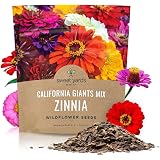
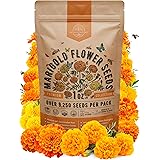
For new gardeners, selecting hardy and easy-to-grow plants increases confidence and success. Think of plants like radishes, lettuce, marigolds, and zinniasâthey require minimal effort and are forgiving if you make mistakes.
Research plants native to your area as they tend to adapt better to local conditions and resist pests and diseases. This reduces the need for pesticides or chemical interventions.
In 2025, explore plant varieties that are drought-tolerant or disease-resistant, aligning with ecological priorities and climate resilience efforts.
Companion Planting Strategies
Introducing companion planting enhances plant health and can reduce pests naturally. For example, planting basil near tomatoes improves flavor and repels insects.
Learn to pair plants that benefit each other, creating a balanced ecosystem in your garden. This approach simplifies pest management and boosts productivity.
In your garden planning for beginners, incorporating companion planting strategies helps build a sustainable, low-maintenance garden that thrives naturally in 2025.
5. Creating a Garden Design Layout
Design Principles for Beginners
An organized layout maximizes space and makes gardening more manageable. Start with a simple plan that groups plants with similar needs together.
Use grid layouts, raised beds, or container gardens depending on your space and preference. A well-designed layout also improves access for watering, weeding, and harvesting.
Get a free subscription to PREPARE – with more gardening and homesteading tips!
Consider pathways and seating areas to enhance accessibility and enjoyment of your garden in 2025.
Incorporating Aesthetic and Functional Elements
Mix functional zones like veggie beds with aesthetic features such as flower borders or decorative stones. This combination creates a harmonious space thatâs both practical and beautiful.
Adding vertical elements, such as trellises or hanging planters, maximizes limited space and adds visual interest, especially important in small gardens.
Effective planning in 2025 involves balancing beauty with practicality, making your garden a space you’ll love to spend time in.
6. Planning for Watering and Irrigation
Efficient Watering Techniques for Beginners
Proper watering is vital for plant health and resource conservation. Drip irrigation systems or soaker hoses efficiently deliver water directly to roots, minimizing waste.
Adjust watering schedules based on weather conditions; in 2025, smart watering systems that respond to soil moisture levels will become increasingly accessible for beginners.
Watering early in the morning reduces evaporation and fungal issues. Using mulch helps retain soil moisture and suppress weeds.
Rainwater Harvesting and Greywater Use
Incorporating rain barrels and greywater systems not only saves water but also promotes sustainable gardening in 2025. Collecting rainwater provides plants with naturally soft, chemical-free water.
Positioning rain barrels at strategic points and connecting them with drip systems streamlines watering routines and cuts costs.
This eco-friendly approach aligns with global efforts to reduce water consumption and creates a more resilient garden environment for beginners.
7. Incorporating Composting and Soil Enrichment
Starting Your Compost Bin
Composting turns kitchen scraps and yard waste into nutrient-rich soil, perfectly suited for garden planning for beginners aiming for sustainability. A simple compost bin or tumbler setup works well in 2025.
Layer greens (fruit/veg scraps) and browns (dry leaves, paper) for balanced composting. Turn your pile regularly to aerate and speed up decomposition.
Incorporate compost into your planting beds to improve soil structure, fertility, and water retention, especially vital as weather patterns change in 2025.
Using Organic Soil Amendments
Besides compost, consider natural amendments like composted manure, seaweed extract, or biochar. These enrich soil without synthetic chemicals, supporting healthy plant growth.
Apply amendments according to your soil test results, ensuring your garden has the nutrients it needs for a successful season.
Learning to enrich your soil naturally is a core part of mastering garden planning for beginners in 2025.
2025. Final Steps and Maintaining Your Garden
Regular Monitoring and Maintenance
Consistent inspection for pests, diseases, and plant health helps prevent problems before they escalate. Regularly remove weeds, prune, and support plants as needed.
In 2025, using affordable, eco-friendly pest control methodsâlike neem oil or companion plantingâbecomes more accessible than ever.
Creating a maintenance routine ensures your garden remains productive and beautiful throughout the year, reinforcing the importance of ongoing care in your planning process.
Seasonal Adjustments and Planning for Success
Adapting your garden to seasonal changes ensures continuous growth. In early spring, plan your planting schedule; in late summer, prepare for harvest and winterization.
Updating your garden layout or plant choices based on your experiences in 2025 helps you improve each year. Success in gardening comes from learning and adapting over time.
Remember, dedicated planning and regular care are key to a flourishing gardenâcore principles of garden planning for beginners.
Frequently Asked Questions about Garden Planning for Beginners in 2025
1. What are the best plants for beginner gardeners in 2025?
Some of the best plants for beginners include radishes, lettuce, marigolds, and zinnias. These plants are low-maintenance, quick to grow, and tolerant of beginner mistakes.
2. How do I start planning my garden layout?
Begin by measuring your space, assessing sunlight, and deciding on your gardenâs purpose. Sketch a simple layout grouping plants with similar needs and considering pathways for access.
3. How can I make my garden more sustainable in 2025?
In 2025, integrating rainwater harvesting, composting, native plants, and organic amendments are excellent ways to create an eco-friendly garden.
4. What common mistakes should I avoid as a beginner?
Avoid overcrowding plants, neglecting water needs, and ignoring soil health. Follow a seasonal plan and be patientâgardening is a learning process!
5. Why is garden planning for beginners important?
Proper planning ensures your garden thrives, saves you time and money, and makes gardening enjoyable. It sets a strong foundation for success in 2025 and beyond.
Conclusion
In closing, mastering garden planning for beginners is fundamental for establishing a successful, enjoyable garden in 2025. By assessing your space, understanding your climate, selecting the right plants, and designing thoughtfully, you’ll set yourself up for a lush and productive garden. Remember, patience and continuous learning are key â every season offers new opportunities for growth. Embrace these top tips and strategies, and watch your gardening dreams come to life!
Get a free subscription to PREPARE – with more gardening and homesteading tips!
Related Content
- Feeding humans and soil: Bokashi <b>composting</b> can be suitable for restaurants and food businesses
- How an Ottawa company diverts food waste from landfills | CBC News
- Set Your Sights On Composting This Summer
- Mandatory Food Composting Mandate Goes Into Effect in California in January – Silver Screen Beat
- Sustainability initiatives increase on campus – The Scarlet and Black – Grinnell News