Now retrieving an image set.
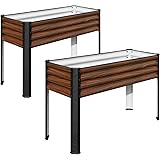
SnugNiture Raised Garden Bed with Legs, 2PCS 48×18×32in Outdoor Metal Elevated Raised Planter Box for Backyard, Patio, Balcony
$89.99 (as of 08:24 GMT -05:00 - More infoProduct prices and availability are accurate as of the date/time indicated and are subject to change. Any price and availability information displayed on [relevant Amazon Site(s), as applicable] at the time of purchase will apply to the purchase of this product.)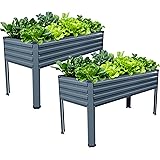
Now retrieving an image set.
Vengarus Galvanized Raised Garden Bed Outdoor with Legs,48×18×30in Metal Elevated Raised Planter Box for Backyard, Patio, Balcony, 300lb Capacity,Grey(2PCS)
$79.99 (as of 08:24 GMT -05:00 - More infoProduct prices and availability are accurate as of the date/time indicated and are subject to change. Any price and availability information displayed on [relevant Amazon Site(s), as applicable] at the time of purchase will apply to the purchase of this product.)- 1. Incorporate Sustainable Gardening Practices
- 2. Use Smart Watering Systems
- 3. Create Winter-Ready Gardens
- 4. Design for Pollinator-Friendly Spaces
- 5. Optimize Small Yard Layouts
- 6. Incorporate Edible Gardens
- 7. Choose Native Plants for Durability
- 8. Utilize Vertical Gardening Techniques
- 9. Implement Creative Garden Features
- 10. Plan for Future Expansion & Flexibility
1. Incorporate Sustainable Gardening Practices
Using Organic Soil and Composting
One of the cornerstone garden planning ideas for 2025 is adopting sustainable gardening practices. Organic soil enriched with compost significantly improves plant health while reducing chemical runoff. Composting kitchen scraps and yard waste recycles nutrients, which helps create a self-sustaining garden ecosystem. In my experience, regular composting reduces the need for artificial fertilizers and promotes healthier soil structure.
Implementing compost bins or tumblers in your yard allows you to turn waste into valuable soil amendments. Composting is not only eco-friendly but also cost-effective and easy to maintain. As a bonus, it attracts beneficial insects such as earthworms, which further enhance soil fertility.
Research indicates that sustainable practices like composting can lower water and fertilizer needs by up to 30%, making your garden more resilient and eco-friendly in 2025.
Reducing Water Use with Mulching and Rain Gardens
Another key garden planning idea is reducing water consumption through mulching and rain gardens. Mulching around plants helps retain soil moisture, suppress weeds, and keep roots cool â vital during dry seasons or increasing drought conditions predicted for 2025.
Rain gardens utilize natural absorption techniques to capture runoff and filter pollutants before they reach waterways. By strategically placing rain gardens, you can reduce reliance on municipal water supplies while supporting local ecosystems.
Combining mulching with rainwater harvesting creates a sustainable, water-wise garden that thrives even during water restrictions, making this an excellent plan for eco-conscious gardeners in 2025.
2. Use Smart Watering Systems
Automated Drip Irrigation and Sensors
In 2025, smart watering systems are a must-have for efficient garden planning ideas. Automated drip irrigation combined with moisture sensors ensures your plants receive just the right amount of water, minimizing waste and promoting healthy growth.
These systems can be programmed via smartphone apps, allowing real-time adjustments and scheduling. For example, during peak summer months, you can set the system to provide consistent moisture without overwatering.
Research shows that smart irrigation can reduce water usage by up to 50%, saving money and conserving resourcesâimportant aspects for sustainable yard transformation this year.
Weather-Responsive Water Management
Incorporating weather-responsive controllers helps adapt watering schedules based on recent rainfall or humidity levels. This dynamic approach ensures your garden isn’t overwatered or underwatered, adjusting automatically as the weather changes.
These features make garden planning ideas more precise and environmentally friendly, especially during unpredictable weather patterns expected in 2025.
Investing in smart watering technology makes your garden more resilient, reduces utility bills, and promotes eco-responsibility.
3. Create Winter-Ready Gardens
Planting for Cold Tolerance and Cover Crops
Planning for winter in your garden is an often-overlooked garden planning idea that pays dividends in 2025. Select cold-tolerant plants and consider winter vegetables like kale, Brussels sprouts, and carrots. Additionally, planting cover crops such as clover or rye helps protect soil from erosion and retains nutrients during cold months.
This proactive approach ensures your garden remains productive year-round and reduces the need for extensive spring clean-up. Cover crops also improve soil health and reduce weeds come springtime.
Incorporating winter-hardy plants and cover crops can extend your garden’s usability, making it a cost-effective and sustainable plan for 2025.
Protecting Plants with Mulches and Cold Frames
Use organic mulches like straw or wood chips around plants to provide insulation during freezing temperatures. Cold frames and mini-greenhouses are excellent tools for extending the growing season and protecting sensitive plants from harsh weather.
These features are simple to build or purchase and significantly increase your garden’s resilience during the colder months. As part of your garden planning ideas, advanced planning for winter protection helps maintain plant vitality and yields all year long.
Designing a garden with winter considerations ensures continual growth and planning flexibility, which is vital as climate patterns become more unpredictable in 2025.
4. Design for Pollinator-Friendly Spaces
Planting Natives & Attractors
Creating a pollinator-friendly garden in 2025 is vital for supporting local ecosystems. Incorporate native plants like milkweed, bee balm, and coneflowers, which provide nectar and habitat for bees, butterflies, and other pollinators.
Designing flower beds with continuous bloom cycles ensures pollinators are supported throughout the growing season. Plus, choosing plants with varied colors and shapes can attract different species, enhancing biodiversity.
This garden planning idea not only benefits the environment but also improves fruit and vegetable yields by increasing pollination efficiency.
Providing Shelter & Water Sources
In addition to plant selection, include features like bee hotels, butterfly terraces, and shallow water dishes to provide shelter and hydration. Small features like these encourage pollinator activity and create a thriving ecosystem.
Planting shrubs or installing nesting boxes can further support pollinator populations. As part of your overall garden design, fostering pollinator habitats is a crucial step toward a sustainable and productive garden in 2025.
Implementing these ideas helps create a resilient and vibrant garden environment, benefiting both wildlife and your harvests.
5. Optimize Small Yard Layouts
Vertical and Container Gardening
If space is limited, vertical gardening and container planting are essential garden planning ideas for 2025. Use trellises, wall planters, and hanging baskets to maximize vertical space. Container gardens allow you to move plants around for optimal sunlight and easier care.
This approach is highly adaptable for urban or small yard environments, providing ample room for flowers, vegetables, or herbs. Additionally, containers can be tailored to different microclimates within your yard, making your planning more flexible.
Smartly designing small spaces increases your garden’s productivity, aesthetics, and usabilityâcrucial for modern, space-efficient gardening.
Creating Zones & Pathways
Dividing your yard into functional zones helps organize space efficiently, whether for growing, lounging, or composting. Incorporate pathways made from gravel, stepping stones, or reclaimed materials to keep the layout tidy and accessible.
Using visual cues and borders can make small yards appear larger and more inviting. The key is careful planning to ensure each zone has sufficient sunlight, airflow, and accessibility. This strategic layout is a core garden planning idea shaping many successful small gardens in 2025.
Effective zoning optimizes space, ensures easy maintenance, and enhances the overall garden experience for homeowners with limited outdoor areas.
6. Incorporate Edible Gardens
Herbs, Vegetables & Fruit Trees
An increasingly popular garden planning idea for 2025 is integrating edible plants into aesthetic landscapes. Growing herbs like basil, mint, and thyme along your pathways or in containers maximizes space and productivity.
Vegetables such as lettuce, tomatoes, and peppers can be incorporated into flower beds for easy harvesting. For larger yards, planting fruit trees like apple, pear, or cherry varieties creates beautiful, productive focal points.
Doing so reduces grocery bills, encourages healthier eating, and makes your garden truly multifunctional.
Get a free subscription to PREPARE – with more gardening and homesteading tips!
Companion Planting & Crop Rotation
Practicing companion planting with strategic crop rotation helps improve yields and reduce pests naturally. For instance, planting carrots near onions or beans with corn can enhance growth and pest resistance.
These planning ideas not only optimize space but also promote a sustainable garden ecosystem. Keep detailed records of what you plant and where to maximize the benefits over multiple seasons in 2025.
Integrating edible plants into your garden seamlessly combines beauty and nutrition, making gardening more rewarding and sustainable.
7. Choose Native Plants for Durability
Low-Maintenance & Climate-Resilient Choices
Selecting native plants is a smart garden planning idea for 2025. These plants are adapted to local climate conditions, requiring less water, fertilizer, and pest control. Examples include purple coneflowers, black-eyed Susans, and native grasses.
They thrive with minimal intervention, making your garden more sustainable and easier to maintain. Plus, native plants support local wildlife, creating a balanced ecosystem.
Research your regionâs native flora to craft a landscape that is both beautiful and resilientâcornerstones of modern garden planning ideas.
Supporting Biodiversity & Ecosystem Health
Incorporating native plants encourages biodiversity by providing habitat for native pollinators and birds. Mushrooms, insects, and small mammals thrive in native plant gardens, promoting a healthy garden environment.
Designing with native species also future-proofs your garden against climate change impacts predicted for 2025. Itâs a long-term, sustainable solution that aligns with eco-conscious trends.
Choosing native plants is an essential element of innovative garden planning ideas for a greener, more resilient yard.
8. Utilize Vertical Gardening Techniques
Wall & Trellis Gardens
Vertical gardening remains a top garden planning idea for 2025, especially in urban areas. Installing trellises, wall-mounted planters, or vertical gardens enables you to grow climbing plants, vegetables, and flowers in limited space.
This technique maximizes useable garden area efficiently while creating visually striking features. Additionally, vertical gardens improve air circulation and reduce pest issues.
Designing with vertical elements allows you to experiment with different plant combinations and textures, adding dynamism to your yard.
Hanging & Pocket Gardens
Hanging baskets and pocket systems are versatile solutions for small or shaded spaces. They bring color and greenery into nooks and crannies otherwise left unused.
Using lightweight, weatherproof containers makes maintenance easier.
This approach supports continuous bloom cycles and quick plant replacement, making your garden adaptable and vibrant in 2025.
Vertical gardening is a key garden planning idea that boosts productivity and aesthetic appeal simultaneously.
9. Implement Creative Garden Features
Water Features & Art Installations
Adding features such as small ponds, fountains, or sculptural art enhances your garden’s beauty and ambiance. Thoughtfully designed water features attract wildlife and natural sounds, creating a peaceful retreat.
Incorporating art elements like mosaics, modern sculptures, or rustic benches reflects your personal style. These features serve as focal points and conversation starters while elevating your yardâs overall design.
Creative garden features are a popular garden planning idea in 2025, blending functionality with aesthetics for a truly unique outdoor space.
Lighting & Pathway Enhancements
Functional and decorative lighting extends your gardenâs usability into the evening, creating inviting environments. Solar-powered lights are eco-friendly and easy to install.
Designing pathways with patterns, colors, or materials that complement your landscape adds visual interest. Well-lit pathways also improve safety and accessibility.
Investing in thoughtful lighting and pathways can make your garden more versatile and enjoyable at any time of day, aligning with current trends in outdoor living.
10. Plan for Future Expansion & Flexibility
Designing Modular & Multi-Use Spaces
In 2025, flexibility is crucial. Planning modular garden sections allows you to adapt as your needs change. Use movable planters, removable fencing, or multi-purpose zones for herbs, play areas, or relaxation spots.
This approach ensures your garden can evolve without costly renovations. Flexibility also includes choosing plants that can serve multiple functions, such as edible landscaping thatâs also visually appealing.
Future-proofing your garden with adaptable layouts is a core garden planning idea for sustainable and long-term success.
Adding Infrastructure for Future Technologies
Prepare your garden for future technological integration like solar panels, smart sensors, or automated systems. Incorporate underground wiring, designated spots for equipment, and accessible power sources now during early planning stages.
This foresight makes your garden more resilient and ready for modernization in the years ahead, aligning with innovations expected in 2025.
Well-considered planning ensures your outdoor space remains functional, beautiful, and up-to-date for years to come.
Frequently Asked Questions about Garden Planning Ideas in 2025
Q1: What are the best garden planning ideas for small yards in 2025?
A1: Focus on vertical gardening, container planting, and creating efficient zones. Use trellises, hanging planters, and smart layout techniques to maximize space and functionality.
Q2: How can I make my garden more sustainable in 2025?
A2: Incorporate eco-friendly practices like composting, native plant selection, rainwater harvesting, and smart watering systems. These strategies help reduce resource use and support local ecosystems.
Q3: Why is it important to include pollinator-friendly plants in my garden planning ideas?
A3: Pollinator-friendly plants encourage beneficial insects and birds, which improve pollination and crop yields. They also support biodiversity and help maintain a healthy ecosystem.
Q4: How can I future-proof my garden design?
A4: Think modular and flexible layouts, incorporate infrastructure for new technologies, and choose adaptable plants and features that can evolve with your needs and environmental changes.
Conclusion
Implementing effective garden planning ideas is essential to transforming your yard into a beautiful, sustainable, and functional space in 2025. From eco-conscious practices to innovative design techniques, these ideas help you create a garden that is not only visually appealing but also environmentally responsible. Remember, the key to successful gardening lies in thoughtful planning and staying adaptable to future trends and technologies. Embrace these garden planning ideas to enjoy a thriving and inspiring outdoor area this year and beyond!