Now retrieving an image set.
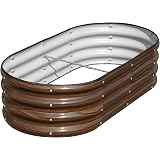
SnugNiture Galvanized Raised Garden Bed, 4x2x1ft Oval Metal Planter Box for Planting Outdoor Plants Vegetables
$26.99 (as of 12:59 GMT -05:00 - More infoProduct prices and availability are accurate as of the date/time indicated and are subject to change. Any price and availability information displayed on [relevant Amazon Site(s), as applicable] at the time of purchase will apply to the purchase of this product.)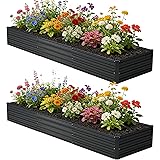
Now retrieving an image set.
zunatu 10x2x1 ft(2 Pack) Galvanized Raised Garden Bed,Outdoor Planter Box Metal Patio Kit Planting Bed for Vegetables Flowers and Succulents,Black
$69.99 (as of 12:59 GMT -05:00 - More infoProduct prices and availability are accurate as of the date/time indicated and are subject to change. Any price and availability information displayed on [relevant Amazon Site(s), as applicable] at the time of purchase will apply to the purchase of this product.)- 1. Water Early in the Morning
- 2. Use Drip Irrigation Systems
- 3. Water Deeply and Less Frequently
- 4. Mulch to Retain Moisture
- 5. Adjust Watering Based on Weather
- 6. Prioritize Root Zone Watering
- 7. Choose the Right Watering Tools
- 8. Incorporate Rainwater Harvesting
- 9. Monitor Soil Moisture Regularly
- 10. Educate Yourself on Plant Needs
1. Water Early in the Morning
Benefits of Morning Watering
Starting your garden watering routine early in the morning is one of the most effective garden watering tips for 2025. During the early hours, temperatures are cooler, and the evaporation rate is lower, ensuring that more water reaches your plants’ roots. This helps plants absorb water better and reduces the risk of fungal diseases, which often thrive in damp, warm conditions.
Practical Tips for Morning Watering
Set your watering schedule to begin shortly after sunrise. If you have automated systems, program your sprinklers to turn on early. Using a timer ensures consistency, especially when youâre busy or away. Remember, watering in the morning also means your plants will be hydrated and resilient during the hot midday hours.
Real-World Example
Iâve personally found that watering my vegetable garden at dawn results in healthier plants and higher yields. Plus, it saves water since less is lost to evaporation. For homeowners in 2025, adopting this practice can conserve resources while maintaining lush, thriving gardens.
2. Use Drip Irrigation Systems
Why Drip Systems Are a Game Changer
Drip irrigation is a garden watering tip that has gained popularity in 2025 for its efficiency. Unlike traditional sprinklers, drip systems deliver water directly to the base of your plants. This minimizes waste and ensures water goes where itâs needed mostâat the roots.
Setting Up Your Drip System
Todayâs garden enthusiasts use easy-to-install drip kits that connect to hoses or timers. You can customize the flow rate for different plant types, ensuring that everything from delicate seedlings to mature shrubs receives optimal watering. This precision reduces overwatering and runoff, making your garden more sustainable.
Supported by Research
Studies show that drip irrigation can save up to 30% more water than traditional methods. In 2025, many gardeners are integrating smart controllers that adjust watering based on weather forecasts, further optimizing water use.
3. Water Deeply and Less Frequently
Understanding Deep Watering
One of the most valuable garden watering tips for 2025 is to focus on deep, infrequent watering. Shallow watering encourages superficial root growth, making plants more vulnerable to drought. Deep watering ensures that roots extend deeper into the soil, increasing drought tolerance.
How to Achieve Deep Watering
Use tools like soaker hoses or watering cans with a steady flow to penetrate at least 6-8 inches into the soil. Check moisture levels with a soil probe or screwdriver. Typically, watering once or twice a week (depending on weather) is sufficient if done deeply.
Benefits for Your Garden
Deep watering promotes strong root systems, leading to healthier, more resilient plants. It also reduces the frequency of watering sessions, saving water in 2025âs increasingly water-conscious environment. Remember, consistency is key to prevent drought stress.
4. Mulch to Retain Moisture
Why Mulch Is Essential
Mulching is a simple yet powerful garden watering tip that helps conserve soil moisture. Organic mulches like bark, straw, or compost act as a barrier, reducing water evaporation from the soil surface.
Applying the Right Mulch
Spread mulch around your plants in a 2-3 inch layer, keeping it a few inches away from plant stems to prevent rot. Mulch also moderates soil temperature and suppresses weeds, which compete for water and nutrients.
Impact on Water Efficiency
In 2025, mulching can reduce watering needs by up to 50%. This makes it an eco-friendly practice that supports water conservation efforts. Additionally, mulch breaks down over time, enriching the soil naturally.
5. Adjust Watering Based on Weather
Monitoring Weather Patterns
Adapting your garden watering tips to current weather conditions is crucial. Use weather forecasts or smartphone apps to stay informed about rainfall, temperature, and humidity. This helps you avoid overwatering during rainy spells and ensures plants don’t go without water during heatwaves.
Practical Approaches
If rain is forecasted, skip watering sessions to conserve water. During hot periods, increase frequency slightly, but always check soil moisture levels first. The key is flexibility and observation.
Environmental Benefits
Adjusting watering schedules reduces water waste and promotes healthier plants. In 2025, integrating weather data with smart irrigation controllers makes this practice even easier and more precise.
6. Prioritize Root Zone Watering
Targeted Watering Techniques
Delivering water directly to the root zone is one of the most effective garden watering tips to maximize absorption and minimize waste. Techniques like drip emitters, soaker hoses, and watering cans focus on the soil around roots rather than overhead watering.
Benefits for Plant Health
Root zone watering reduces leaf diseases caused by excess moisture on foliage. It also encourages deep root growth, which makes plants more drought-resistant. In 2025, focus on precise watering to improve plant vigor and sustainability.
Tips for Implementation
Use a mulch layer to support root zone watering by maintaining soil moisture. Adjust watering pressure to avoid runoff, especially in compacted soils. Observing plant responses helps fine-tune your approach.
Get a free subscription to PREPARE – with more gardening and homesteading tips!
7. Choose the Right Watering Tools
Tools for Efficient Watering
Selecting the appropriate tools can make or break your garden watering tips in 2025. Options include watering cans, hose-end sprayers, soaker hoses, and automated drip systems. Each has advantages depending on garden size and plant types.
Buying Considerations
Look for tools with adjustable flow controls, durable materials, and easy handling. For small gardens, manual tools suffice; larger landscapes benefit from automated systems with timers.
Practical Advice
Incorporate ergonomic designs to reduce strain, and consider eco-friendly options. Upgrading your watering tools can lead to more consistent and efficient watering practices.
8. Incorporate Rainwater Harvesting
Why Harvest Rainwater?
Collecting rainwater is a sustainable garden watering tip that reduces reliance on municipal water supplies. Harvesting rainwater in 2025 supports eco-friendly gardening and can significantly lower your water bills.
Setup and Storage
Install rain barrels or larger cisterns connected to downspouts. Ensure proper covers to prevent mosquito breeding and debris contamination. Use harvested rainwater primarily for garden irrigation.
Environmental Impact
Using rainwater can cut your gardenâs water consumption by up to 50%, which is vital amid increasing drought conditions. Itâs a simple step that aligns with current water conservation goals in 2025.
9. Monitor Soil Moisture Regularly
Tools and Techniques for Soil Testing
Consistently checking soil moisture helps inform your garden watering tips, preventing over or under-watering. Use simple tools like moisture meters, or check soil with a screwdriver or finger test.
Why It Matters
Regular monitoring ensures your plants get the right amount of water at the right time. Itâs particularly helpful in 2025 as weather variability becomes more pronounced due to climate change. Healthy soil moisture levels lead to healthier plants.
Tips for Accuracy
Test multiple spots in your garden for a comprehensive picture. Record your findings to develop a personalized watering schedule. Over time, this saves water and improves plant health.
10. Educate Yourself on Plant Needs
Understanding Specific Plant Requirements
Different plants have unique watering needs, and knowing these is a vital garden watering tip for 2025. Research each plant’s preferred moisture level, drought tolerance, and growth stage requirements.
Utilizing Resources
Leverage gardening books, local Extension services, and reputable online sources to learn more about your plants. Joining gardening forums and local groups also offers practical insights.
Benefits of Informed Watering
When you tailor your watering practices to plant needs, you promote vigorous growth, reduce waste, and enhance garden productivity. Continuing education helps you stay updated with new trends and best practices in 2025.
Frequently Asked Questions
1. What are the best garden watering tips for 2025?
Effective garden watering tips for 2025 include watering early in the morning, using drip irrigation systems, watering deeply and less frequently, mulching, and adjusting based on weather conditions.
2. How often should I water my garden?
Frequency depends on your local climate and plant type, but generally, deep watering once or twice a week is sufficient. Use soil moisture tests to determine when to water.
3. What tools are best for efficient garden watering?
Tools such as drip emitters, soaker hoses, and automatic timers are highly effective for efficient watering. Choose tools based on your garden size and plant varieties.
4. How can I conserve water while watering my garden?
Conserve water by watering early in the morning, mulching to retain moisture, targeting root zones, and harvesting rainwater. Monitoring soil moisture also helps prevent unnecessary watering.
5. Why are garden watering tips important in 2025?
In 2025, with increasing climate variability and water scarcity, applying proper garden watering tips is crucial to ensure healthy plants and sustainable water use.
Conclusion
Mastering the best garden watering tips in 2025 is essential for maintaining a lush, healthy garden. From leveraging modern watering technologies to understanding your plantsâ needs, these strategies help optimize water efficiency and plant health. Remember, consistent, targeted watering combined with eco-friendly practices like mulching and rainwater harvesting will ensure your garden thrives while conserving valuable resources. Incorporate these expert tips today to boost your plants and enjoy a more sustainable gardening experience.
Get a free subscription to PREPARE – with more gardening and homesteading tips!
Related Content
- Optimize Your Garden Layout for Growth
- Magid ROC50T-M The ROC Rayon Made from Bamboo Collection Nitrile Gloves – Womens Medium
- A New Solution for Residential Food Waste – The Good Men Project
- Three Tomatoes in Alameda: The talk of climate change deniers points to a way forward …
- Global Waterless Urinal Market Size, Growth Factors: Latest Study Focuses On Current And Future …