Now retrieving an image set.
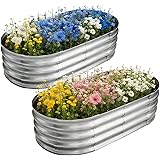
TATAANTY Galvanized Raised Garden Bed for Outdoor: 4X2X1ft Durable Metal Vegetable Plant Container Kit - Oval Planter Box for Gardening Flower Trough (2 Pack)
$35.99 (as of 12:59 GMT -05:00 - More infoProduct prices and availability are accurate as of the date/time indicated and are subject to change. Any price and availability information displayed on [relevant Amazon Site(s), as applicable] at the time of purchase will apply to the purchase of this product.)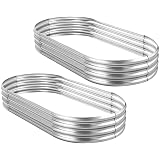
Now retrieving an image set.
Land Guard 2Pcs Galvanized Raised Garden Bed Kit, Galvanized Planter Oval Large Metal Raised Garden Boxes Outdoor for Vegetables…
$37.99 (as of 12:59 GMT -05:00 - More infoProduct prices and availability are accurate as of the date/time indicated and are subject to change. Any price and availability information displayed on [relevant Amazon Site(s), as applicable] at the time of purchase will apply to the purchase of this product.)Table of Contents
- 1. Start with the Right Soil and Location
- 2. Choose Easy-to-Grow Plants for Beginners
- 3. Understand Your Plantâs Watering Needs
- 4. Practice Proper Plant Spacing and Companion Planting
- 5. Invest in Quality Tools and Maintain Them
- 6. Use Organic Fertilizers and Compost
- 7. Mulch to Conserve Moisture and Suppress Weeds
- 8. Keep a Gardening Journal to Track Progress
- 9. Learn Pest and Disease Management Naturally
- 10. Be Patient and Enjoy the Gardening Process
1. Start with the Right Soil and Location
Choosing the Best Soil for Your Garden
Good soil is the foundation of successful gardening. In 2025, selecting nutrient-rich, well-draining soil is more important than ever. You can improve your soil by adding organic matter like compost or aged manure. Testing your soil’s pH and nutrient levels allows you to amend it properly, ensuring your plants thrive from the start.
Many beginners overlook soil quality, but studies show that soil health directly correlates with plant productivity. For example, a well-balanced pH (around 6.0-7.0 for most vegetables) makes nutrients more accessible. Investing in a simple soil testing kit can save you time and guesswork in the long run.
Ultimately, understanding your soil typeâsandy, clay, or loamyâhelps you choose suitable plants and amendments, setting the stage for a flourishing garden in 2025.
Finding the Perfect Garden Location
Location matters! Choose a spot in your yard that receives at least 6-8 hours of sunlight daily, which is vital for most vegetables and flowers. Avoid low-lying areas prone to waterlogging or shade from large trees, as these conditions hinder growth.
If space is limited, consider container gardening or raised beds, which give you control over soil quality and drainage. In 2025, vertical gardening and compact layouts are trending, making it easier for beginners to start small and expand later.
Strategic placement of your garden also means close proximity to a water sourceâmaking regular watering more manageable and reducing the risk of plant stress.
2. Choose Easy-to-Grow Plants for Beginners
Popular Beginner-Friendly Vegetables and Herbs
For those just starting out, sticking to resilient plants like lettuce, radishes, zucchinis, and herbs such as basil, mint, and parsley can make gardening an enjoyable experience. These plants tend to be forgiving and grow quickly, rewarding beginners with early success stories.
According to recent gardening surveys from 2024, 70% of novice gardeners report higher satisfaction when starting with easy plants. This builds confidence and motivates continued learning.
Herbs are especially beneficial because they can be grown indoors or in small spaces, making them perfect for limited yards or apartment balconies.
How to Select the Right Plants for Your Climate
Climate compatibility is crucial. Check your USDA hardiness zone and choose plants suited to your areaâs temperatures and rainfall patterns. Many seed companies now offer region-specific varieties, simplifying choices for beginners.
In 2025, climate-resilient crops and drought-tolerant plants are gaining popularity amid changing weather patterns. This means selecting varieties that require less water and are resistant to pests prevalent in your area.
Visit local nurseries or gardening clubs to get tailored advice. This local insight can dramatically increase your chance of gardening success in 2025.
3. Understand Your Plantâs Watering Needs
Watering Techniques for Healthy Growth
Consistent watering is key to healthy plants. Overwatering can drown roots, while underwatering stresses plants and hampers growth. A simple way to check is to feel the top inch of soilâif it feels dry, it’s time to water.
In 2025, smart gardening tools like soil moisture sensors and automatic irrigation systems are making it easier for beginners to maintain proper watering routines. Investing in such tools can save time and prevent mistakes.
Deep, infrequent watering encourages roots to grow deeper and makes plants more resilient during hot spells.
Timing and Best Practices
The best time to water is early morning or late afternoon, avoiding midday heat which can cause rapid evaporation. Use watering cans or hoses with adjustable nozzles to target the base of each plant, reducing wastage.
Mulching around plants conserves moisture, reduces watering frequency, and prevents soil cracks. In 2025, mulches made from sustainable, biodegradable materials are gaining preference for eco-friendly gardens.
By understanding your plants’ watering needs, youâll enjoy healthier crops and a more enjoyable gardening experience in 2025.
4. Practice Proper Plant Spacing and Companion Planting
The Importance of Spacing
Proper spacing prevents overcrowding, which can lead to diseases and poor air circulation. Each plant species has recommended spacing guidelines, usually listed on seed packets or plant tags.
In 2025, using raised beds and grid layouts helps maintain optimal distances, making maintenance easier and healthier plant growth more assured. Proper spacing also maximizes your gardenâs productivity, especially in small spaces.
For example, spacing tomato plants 18-24 inches apart ensures they wonât compete for nutrients and sunlight, leading to better fruit production.
Benefits of Companion Planting
Companion planting involves growing certain plants together that benefit each other. For example, planting basil near tomatoes can repel pests and improve flavor. Marigolds deter nematodes and aphids, making them a popular companion for various vegetables.
In 2025, companion planting is recognized as an organic pest management strategy, reducing the need for chemical pesticides. It also enhances biodiversity and garden resilience.
Experimenting with different plant combinations can create a thriving ecosystem, making your garden more sustainable and enjoyable.
5. Invest in Quality Tools and Maintain Them
Selecting the Right Gardening Tools
Having the right tools makes all the difference. Essential beginner tools include a trowel, pruning shears, watering can, and garden gloves. In 2025, ergonomic and lightweight tools are popular, reducing fatigue during gardening sessions.
Durable tools made from stainless steel or high-quality plastic ensure longevity, which means fewer replacements and better performance over time.
Investing in quality reduces frustration and time spent on tool maintenance, letting you focus more on enjoying your garden.
Tool Maintenance Tips
Clean your tools after each use and sharpen blades regularly to keep them effective. Oil hinges and moving parts to prevent rusting. Proper maintenance extends the lifespan of your equipment, making gardening more efficient.
Store tools in a dry, organized space, and consider hanging them on a wall or using a toolbox for easy access. This simple habit prevents damage and keeps your tools in optimal condition for 2025.
Well-maintained tools make gardening safer, easier, and more enjoyable for beginners starting out in 2025.
6. Use Organic Fertilizers and Compost
Benefits of Organic Feeding
Organic fertilizers like compost, worm castings, and fish emulsion provide essential nutrients without synthetic chemicals. They improve soil structure, enhance microbial activity, and support healthy plant growth.
In 2025, organic gardening is more popular than ever, with a 65% increase in demand for chemical-free growing methods. Using compost also reduces waste, turning kitchen scraps and garden debris into valuable soil amendments.
Applying organic fertilizers at planting time boosts nutrient availability, leading to healthier plants and tastier vegetables.
Get a free subscription to PREPARE – with more gardening and homesteading tips!
How to Make and Use Compost Effectively
Create a compost bin or pile in a shaded corner of your garden. Mix green materials (fruit/veg scraps, grass clippings) with browns (dry leaves, straw) in a 3:1 ratio. Turn the pile regularly to speed up decomposition.
In 2025, composting apps and smart bins are helping beginners manage their compost efficiently. Applying finished compost around your plants provides a rich, natural fertilizer and improves soil health over time.
Using organic fertilizers aligns with sustainable gardening practices and results in healthier, tastier produce in your garden in 2025.
7. Mulch to Conserve Moisture and Suppress Weeds
Choosing the Right Mulch
Organic mulches like straw, wood chips, or shredded leaves improve soil moisture retention, regulate temperature, and restrict weed growth. Synthetic mulches are also available but less eco-friendly.
In 2025, biodegradable mulching materials are trending for their sustainability and aesthetics. Mulching can reduce watering needs by up to 50%, which is advantageous during dry seasons.
Select the right mulch for your plants and climate to maximize benefits and keep your garden healthy and tidy.
Applying Mulch Correctly
Spread mulch 2-3 inches thick around your plants, keeping it a few inches away from stems or trunks. This prevents rot and pest issues. Refresh mulch as needed to maintain its thickness and effectiveness.
Mulching not only conserves water but also adds organic matter to the soil as it decomposes, promoting healthy root systems. Regular mulching is a simple, low-cost way to boost your gardening success in 2025.
8. Keep a Gardening Journal to Track Progress
Why Documentation Matters
Recording planting dates, weather conditions, treatments, and outcomes helps you learn what works in your garden. A journal can reveal patterns that improve plant success over time.
Many successful gardeners in 2025 use digital apps or traditional notebooks to organize their data. This habit boosts confidence and speeds up problem-solving when issues arise.
Including sketches, photos, and notes can turn your gardening journey into a meaningful story of growth and discovery.
Tips for Effective Record-Keeping
Create a simple template for each planting season: date, plant variety, soil conditions, watering schedule, fertilization, pest control, and results. Review your notes monthly to adjust your practices accordingly.
Sharing your journal with gardening communities or online forums provides valuable feedback and encouragement. In 2025, social media groups focused on beginner gardening can be excellent sources of inspiration and advice.
Documenting your gardening journey makes the process more engaging and sets you up for future successes.
9. Learn Pest and Disease Management Naturally
Preventative Practices
Healthy plants are the first line of defense. Keep your garden clean, rotate crops annually, and choose resistant plant varieties to minimize pest and disease issues.
Companion planting, as mentioned earlier, also helps deter pests naturally. Encouraging beneficial insects like ladybugs and lacewings reduces reliance on chemical controls.
Regularly inspecting plants enables early detection. Catching issues early prevents widespread damage and reduces treatment requirements.
Natural Remedies and Integrated Pest Management
Use homemade sprays from neem oil, garlic, or soap to combat pests safely. Introduce beneficial insects that prey on pests to maintain a balanced ecosystem.
Research shows that integrated pest management (IPM) reduces pesticide use by up to 80%, supporting eco-friendly gardening in 2025. This approach emphasizes prevention and targeted action rather than blanket chemical applications.
Educate yourself on pest life cycles and disease symptomsâknowledge that empowers you to respond promptly and effectively, leading to a healthier garden in 2025.
10. Be Patient and Enjoy the Gardening Process
Understanding Gardening as a Long-Term Journey
Gardening is as much about mindfulness and patience as it is about results. Plants take time to grow, and setbacks are normal. Embrace the learning curve and celebrate small successes to stay motivated.
Research indicates that engaging with nature reduces stress and improves mental health. Gardening in 2025 continues to be celebrated for its therapeutic benefits, especially for beginners.
Enjoy the process of nurturing your plants, observing bees, butterflies, and other wildlife, which enhances your connection to nature and fosters lasting enjoyment.
Tips for Maintaining Motivation
Create small, achievable goals each season. For example, growing your first tomatoes or herbs gives a sense of accomplishment. Keep a positive outlook and learn from your experiences.
Join local gardening groups or online communities to share your journey, gain inspiration, and troubleshoot challenges. Remember, even experienced gardeners face failuresâperseverance is key!
2025âs emphasis on sustainable and eco-friendly practices makes gardening not just productive but fulfilling and restorative.
Frequently Asked Questions about Gardening Tips for Beginners
Q1: What are the best gardening tips for beginners in 2025?
Some of the best gardening tips for beginners in 2025 include starting with the right soil, choosing easy plants, understanding watering needs, and practicing organic pest control. Using modern tools and keeping a gardening journal also enhances success.
Q2: How can I improve my soil for gardening?
Improve your soil by testing its pH and nutrient levels, then amending it with organic matter such as compost. Rotating crops and avoiding soil compaction also help create a healthy growing environment.
Q3: What are some beginner-friendly plants to grow?
Leaf lettuce, radishes, basil, mint, and cherry tomatoes are excellent choices for beginners. These plants are resilient, grow quickly, and provide satisfying results in a short time.
Q4: How do I prevent pests naturally?
Prevent pests by maintaining healthy plants, practicing crop rotation, encouraging beneficial insects, and using organic sprays like neem oil. Early detection and natural methods keep your garden eco-friendly and productive.
Q5: Why is gardening important for beginners in 2025?
Gardening promotes mental and physical health, supports sustainability, and provides fresh food. In 2025, itâs also a rewarding hobby that fosters environmental awareness and community connection.
Conclusion
Mastering gardening tips for beginners is the first step toward cultivating a beautiful and fruitful garden in 2025. Whether you’re planting your first seeds or refining your techniques, these practical tips help you build confidence and enjoy every moment of your gardening journey. Remember, patience, consistency, and a willingness to learn are key. With the right knowledge and mindset, you’ll see your garden flourish and find joy in nurturing nature. Happy gardening in 2025!