Now retrieving an image set.
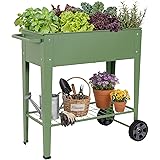
Permade Tall Raised Garden Bed Outdoor with Wheels, Metal Elevated Raised Planter Box with Drainage Holes for Vegetables, Flower, Herbs(Green)
$53.99 (as of 08:19 GMT -05:00 - More infoProduct prices and availability are accurate as of the date/time indicated and are subject to change. Any price and availability information displayed on [relevant Amazon Site(s), as applicable] at the time of purchase will apply to the purchase of this product.)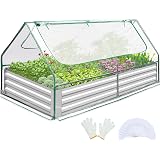
Now retrieving an image set.
Quictent Raised Garden Bed with Cover Outdoor Galvanized Metal Planter Box Kit, w/ 2 Large Screen Windows Mini Greenhouse 20pcs T Tags 1 Pair of Gloves Included for Growing Vegetables 6x3x1ft (Clear)
$74.99 (as of 12:58 GMT -05:00 - More infoProduct prices and availability are accurate as of the date/time indicated and are subject to change. Any price and availability information displayed on [relevant Amazon Site(s), as applicable] at the time of purchase will apply to the purchase of this product.)- Introduction
- Choosing the Right Containers for Growing Vegetables in Pots
- Optimizing Soil and Nutrients for Successful Container Gardening
- Proper Watering and Maintenance When Growing Vegetables in Pots
- Common Challenges and Expert Tips for Growing Vegetables in Pots in 2025
- FAQ about Growing Vegetables in Pots
- Conclusion
Introduction
Growing vegetables in pots has become an increasingly popular way to enjoy fresh produce right at home, especially for urban gardeners and those with limited space. With the right approach, you can successfully cultivate a variety of vegetables in containers, even in small balconies or patios. As we look ahead to 2025, mastering the art of growing vegetables in pots is more accessible than ever.
In this guide, I’ll share effective tips and practical advice on how to grow vegetables in pots that thrive throughout the year. Whether you’re a beginner or an experienced gardener, understanding the essentials will help you achieve a bountiful harvest. Let’s explore the key strategies to ensure your container garden flourishes in 2025 and beyond.
Choosing the Right Containers for Growing Vegetables in Pots
Material Types and Their Benefits
When selecting containers for growing vegetables in pots, material matters. Terracotta pots are breathable and help prevent overwatering, but they can be heavy and fragile. Plastic pots are lightweight, affordable, and retain moisture effectively, making them ideal for many vegetables.
Consider also ceramic or glazed pots, which offer a stylish appearance and good durability. Each material has its advantages, so choose based on your specific vegetables and your gardening environment. Proper container selection sets the foundation for healthy, productive plants.
Size and Depth Considerations
The size of your container directly influences the growth potential of your vegetables when growing in pots. Vegetables like tomatoes or peppers require larger, deeper containers to develop strong root systems. Smaller pots are suitable for herbs or leafy greens but may limit growth if too small.
Ensure your pots have adequate depth—at least 12 inches for most fruiting vegetables—and sufficient width to support healthy root expansion. Proper sizing helps prevent overcrowding and encourages vigorous growth, leading to a better harvest in 2025.
Drainage and Aeration
Effective drainage is crucial for growing vegetables in pots to prevent waterlogging and root rot. Always choose containers with drainage holes and consider adding a layer of gravel or broken pottery at the bottom to improve water flow.
Aeration is equally important; well-ventilated roots promote healthy development. Using lightweight materials or adding potting mixes that improve airflow can make a big difference in successful container gardening.
Styling and Placement for Maximum Growth
Your container’s style and placement can boost your success when growing vegetables in pots. Bright, sunlit spots usually yield the best results for most vegetables, so position your pots accordingly. Consider mobility; lightweight pots are easier to move to optimize sunlight and protect from pests.
Decorative pots can enhance your garden’s aesthetic while serving functional purposes. Thoughtful placement maximizes sunlight exposure and air circulation, ensuring your vegetables grow strong and healthy.
Optimizing Soil and Nutrients for Successful Container Gardening
Selecting the Best Soil Mix for Growing Vegetables in Pots
Choosing the right soil is vital for growing vegetables in pots. Use a high-quality, lightweight potting mix that retains moisture but drains well. Avoid garden soil, which can be heavy and lead to poor drainage in containers.
Adding organic compost or peat moss can enrich the soil, providing essential nutrients and improving texture. A well-balanced soil ensures your vegetables have a healthy root environment and thrive throughout the growing season.
Understanding Fertilization Needs
Container-grown vegetables require supplemental feeding because nutrients leach out more quickly than in-ground gardens. Regular fertilization supports healthy growth and abundant yields. Use a balanced, water-soluble fertilizer every couple of weeks for best results.
In 2025, consider organic options like fish emulsion or seaweed extracts to nourish your plants naturally. Monitoring plant health and adjusting feeding routines ensures your vegetables get what they need to grow robustly.
Incorporating Organic Amendments for Better Growth
Integrating organic amendments like compost tea or worm castings can boost soil fertility and plant health. These natural inputs improve soil structure and supply slow-release nutrients essential for growing vegetables in pots.
Applying organic matter regularly helps maintain soil vitality and supports sustainable gardening practices. It also reduces the risk of chemical buildup, making your container garden safer and more eco-friendly in 2025.
Monitoring Soil pH and Nutrient Levels
Maintaining the correct soil pH is crucial for nutrient uptake. Most vegetables prefer a slightly acidic to neutral pH (6.0–7.0). Test your soil periodically with easy-to-use kits to ensure optimal conditions.
Adjust soil pH as needed, using amendments like lime or sulfur. Keeping track of nutrient levels and pH helps prevent deficiencies, leading to healthier, more productive plants when growing vegetables in pots.
Proper Watering and Maintenance When Growing Vegetables in Pots
Establishing a Consistent Watering Routine
Consistent watering is essential when growing vegetables in pots, as containers tend to dry out faster than garden beds. Check soil moisture regularly—stick your finger about an inch into the soil to assess hydration.
Water deeply when the top inch feels dry, ensuring even moisture distribution. Adjust your watering schedule based on weather conditions, container size, and specific plant needs to prevent both over- and under-watering.
Mulching Techniques to Conserve Moisture
Mulching your container garden helps retain moisture, suppress weeds, and regulate soil temperature. Use organic mulches like straw, shredded leaves, or wood chips around your vegetables in pots.
Get a free subscription to PREPARE – with more gardening and homesteading tips!
Applying a thin layer on top of the soil reduces evaporation and maintains consistent moisture levels. Mulching makes growing vegetables in pots more manageable, especially during hot summer months in 2025.
Regular Pruning and Support Structures
Pruning encourages healthy growth and improves air circulation, reducing the risk of disease. Remove dead or yellowing leaves and thin out crowded stems to enhance light penetration.
Support structures like stakes, cages, or trellises are essential for vining or tall vegetables. Proper support prevents damage and helps you keep your plants organized, resulting in healthier plants and a more productive harvest.
Pest and Disease Management
Monitoring for pests and diseases is crucial in container gardening. Use natural remedies like neem oil or insecticidal soap to control common pests such as aphids or whiteflies.
Maintaining good hygiene, removing diseased plant parts, and ensuring proper airflow will reduce disease risks. Staying vigilant allows you to grow vegetables in pots confidently and enjoy a plentiful harvest in 2025.
Common Challenges and Expert Tips for Growing Vegetables in Pots in 2025
Managing Limited Space Efficiently
Limited space can be a challenge, but vertical gardening and tiered containers maximize your growing area. Use wall-mounted planters or hanging baskets for trailing vegetables like strawberries and beans.
Strategic placement and container stacking can optimize space, making growing vegetables in pots feasible even in cramped environments. Planning your layout ensures you get the most out of your available space in 2025.
Dealing with Extreme Weather Conditions
Extreme heat, cold, or heavy rains can stress your container plants. To protect vegetables in pots, move them to shaded areas during scorching days or bring them indoors when frost is imminent.
Using shade cloths or creating mini-greenhouses around your containers helps regulate temperatures. Proper sheltering safeguards your investment in growing vegetables in pots throughout unpredictable weather patterns in 2025.
Rotating Crops and Soil Preservation
Crop rotation prevents soil depletion and reduces pest buildup. Change the location of your vegetables each season and replenish soil nutrients with organic amendments.
This practice prolongs the vitality of your soil and increases productivity. Rotating crops when growing vegetables in pots ensures sustainable and healthy container gardening for many seasons ahead.
Adapting to Future Trends and Technologies
Stay ahead in 2025 by incorporating smart gardening tools like moisture sensors or automated watering systems. These innovations optimize resource use and make growing vegetables in pots more efficient.
Research new sustainable materials and eco-friendly practices that enhance container gardening. Embracing technology and trends helps maintain a successful, modern garden that yields fresh vegetables all year round.
FAQ about Growing Vegetables in Pots
How often should I water my potted vegetables?
Watering frequency depends on the type of vegetable, container size, and weather conditions. Generally, you should check the soil daily and water when the top inch feels dry. During hot summer days, daily watering may be necessary to keep plants hydrated.
Can I grow root vegetables in pots?
Yes, many root vegetables like carrots, radishes, and beets thrive in deep, well-drained containers. Ensure your pots are at least 12 inches deep to accommodate their root systems. Proper soil and consistent watering are key to successful root crops in pots.
What are the best vegetables to grow in containers in 2025?
Popular options include tomatoes, peppers, lettuce, spinach, herbs, and radishes. These vegetables adapt well to container gardening and can produce abundant harvests with proper care. Experimenting with different varieties can make your 2025 garden diverse and exciting.
Do I need special fertilizers for growing vegetables in pots?
Using appropriate fertilizers is crucial when growing vegetables in pots. Organic options like fish emulsion or compost tea provide nutrients without chemical residues. Regular feeding ensures healthy growth and high yields for your potted vegetable garden in 2025.
Conclusion
Growing vegetables in pots remains an excellent way to enjoy fresh, homegrown produce in 2025. With the right containers, soil, and maintenance, you can create a thriving garden even in limited space. Embracing these expert tips ensures your container vegetables flourish, providing abundant harvests and gardening joy all year round.
Get a free subscription to PREPARE – with more gardening and homesteading tips!
Find out more information about “grow vegetables in pots”
Search for more resources and information: