Now retrieving an image set.
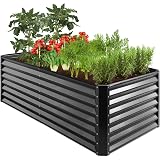
Best Choice Products 6x3x2ft Outdoor Metal Raised Garden Bed, Deep Root Box Planter for Vegetables, Flowers, Herbs, 269 Gallon Capacity, 100% Non Toxic Materials - Gray
$89.99 (as of 12:59 GMT -05:00 - More infoProduct prices and availability are accurate as of the date/time indicated and are subject to change. Any price and availability information displayed on [relevant Amazon Site(s), as applicable] at the time of purchase will apply to the purchase of this product.)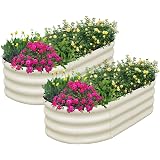
Now retrieving an image set.
SnugNiture Galvanized Raised Garden Bed Outdoor, 2 Pcs 4x2x1ft Oval Metal Planter Box for Planting Plants Vegetables, White
$51.99 (as of 12:59 GMT -05:00 - More infoProduct prices and availability are accurate as of the date/time indicated and are subject to change. Any price and availability information displayed on [relevant Amazon Site(s), as applicable] at the time of purchase will apply to the purchase of this product.)Table of Contents
- 1. Start with Nutrient-Rich Soil
- 2. Select the Right Plants for Your Climate
- 3. Implement Organic Fertilizers and Composting
- 4. Practice Crop Rotation for Soil Health
- 5. Use Natural Pest Control Methods
- 6. Water Your Garden Efficiently
- 7. Choose Certified Organic and Heirloom Seeds
- 8. Incorporate Permaculture Principles
- 9. Regularly Monitor and Adjust Your Practices
- 10. Educate Yourself and Join Community Gardens
1. Start with Nutrient-Rich Soil
Understanding Soil Composition
Growing an organic garden begins with healthy, nutrient-rich soil. Your soil is the foundation for all plant growth, and in 2025, sustainable soil management is more important than ever. Testing your soil’s pH and nutrient levels can help tailor amendments to optimize conditions for your chosen plants. Loamy soil with good drainage and organic matter fosters robust root systems and vigorous growth.
Modern soil testing kits are accessible and affordable, allowing gardeners to make informed decisions. Understanding soil composition also helps prevent common issues like nutrient deficiencies and pest outbreaks. Adjusting soil pH and adding organic compost ensures your garden has the right balance for optimal growth.
Incorporating cover crops and mulching enhances soil fertility naturally, reducing the need for synthetic fertilizers. These practices also improve soil aeration and moisture retention, which are critical for growing an organic garden.
Preparing Your Garden Bed
Before planting, prepare your garden beds by removing weeds and incorporating organic matter such as compost or aged manure. This step enriches the soil with essential nutrients and beneficial microbes. Aerate the soil to improve oxygen flow to the roots, which promotes healthier plant development.
In 2025, many gardeners are adopting no-till gardening techniques to preserve soil structure and microbial life. Minimal disturbance to the soil ecosystem leads to better nutrient cycling and a more resilient garden.
Consistent soil maintenance, including top-dressing with compost, ensures your organic garden remains productive throughout the growing season. Remember, the health of your soil directly correlates with the success of your plants and overall garden productivity.
2. Select the Right Plants for Your Climate
Understanding Your Hardiness Zone
Choosing plants suited to your local climate is essential when growing an organic garden. In 2025, climate adaptability remains a key factor, especially as weather patterns grow more unpredictable. Consulting USDA hardiness zone maps can guide you toward plants that will thrive naturally without excessive intervention.
For example, in cooler zones, hardy vegetables like kale and broccoli perform well, while warmer zones favor tomatoes and peppers. Selecting the right varieties reduces the need for heat or frost protections, aligning with organic principles.
Research and local seed exchanges are excellent resources for finding climate-appropriate plants. Local nurseries often carry native or adapted species, which tend to be more resilient and require less water or fertilizer.
Opting for Heirloom and Organic Varieties
In 2025, the organic gardening movement emphasizes heirloom and organic-certified seeds. These varieties are open-pollinated, seed-saving-friendly, and often more flavorful and resilient. Growing heirloom varieties also supports biodiversity and preserves genetic diversity.
Choosing organic seeds ensures that no chemical treatments are used during seed production, promoting healthier soil and plants. Many seed companies now focus exclusively on organic and heritage varieties, making it easier to align your garden with sustainable practices.
Experimenting with different varieties can boost your gardenâs productivity and resilience against pests and diseases, vital for growing an organic garden that sustains over multiple seasons.
Get a free subscription to PREPARE – with more gardening and homesteading tips!
3. Implement Organic Fertilizers and Composting
Using Natural Fertilizers Effectively
Organic fertilizers such as compost, fish emulsion, and seaweed extract provide vital nutrients without synthetic chemicals. In 2025, the focus is on building a self-sustaining system where soil naturally replenishes nutrients. Applying these amendments in the right amounts encourages healthy plant growth and boosts disease resistance.
For example, composted kitchen scraps and yard waste create rich compost that supplies nitrogen, phosphorus, and potassium. Compost also enhances soil structure, moisture retention, and microbial activity, all crucial for growing an organic garden.
Foliar feedsâspraying organic nutrients directly on leavesâare another effective method, especially during critical growth phases. They offer quick nutrient absorption and improve overall plant vigor.
Composting Tips for Beginners
Getting started with composting is simple and rewarding. Collect kitchen scraps like vegetable peels, coffee grounds, and eggshells, and combine them with yard waste. Balancing brown (dry, carbon-rich) and green (wet, nitrogen-rich) materials accelerates decomposition.
Turning your compost regularly introduces oxygen, speeding up the process and reducing odors. In 2025, more gardeners are investing in compost tumblers and aerators to streamline this process and produce high-quality compost faster.
Compost teaâa liquid extract of compostâcan be used as a foliar spray or soil drench, providing concentrated nutrients and beneficial microbes that support healthy, organic growth.
Frequently Asked Questions
1. What are the benefits of growing an organic garden in 2025?
Growing an organic garden in 2025 offers numerous benefits, including healthier, chemical-free produce, improved soil health, and a reduced environmental footprint. Organic gardening practices support biodiversity and resilience against pests and climate challenges.
2. How can I start growing an organic garden at home?
Start by selecting suitable plants for your climate, prepare nutrient-rich soil, and use organic fertilizers and compost. Plan your garden layout, and practice sustainable watering and pest control methods. Joining local gardening groups can provide support and resources.
3. Why is soil health important when growing an organic garden?
Healthy soil provides essential nutrients, supports beneficial microbes, and helps plants withstand pests and diseases. In 2025, soil health remains the cornerstone of successful organic gardening, emphasizing organic matter addition and minimal disturbance.
4. Can I grow organic vegetables in small urban spaces?
Absolutely! Container gardening, vertical gardens, and raised beds are excellent options for small urban spaces. Even limited space can yield abundant organic produce with proper planning and care.
5. How does growing an organic garden contribute to environmental sustainability?
Growing an organic garden reduces chemical runoff, promotes biodiversity, and conserves water and soil. It supports local ecosystems and decreases reliance on fossil fuels used in synthetic chemical production.
Conclusion
In 2025, growing an organic garden continues to be a rewarding and sustainable way to produce fresh, healthy food while caring for our planet. By understanding soil health, selecting the right plants, and practicing organic methods, you set your garden up for success. Whether you’re a seasoned gardener or just starting, these tips will help you cultivate a thriving organic garden that benefits your health, environment, and community. Remember, the key to a successful organic garden is dedication and learning â and it all begins with growing an organic garden the right way!
Get a free subscription to PREPARE – with more gardening and homesteading tips!
Related Content
- Fall leaves are a treasure | Columnists | reflector.com
- Ask Me Anything LIVE Q&A Episode 04 | 2025 Gardening Season KICK-OFF!
- How to get rid of your Christmas tree as the holiday season wraps up – Livingston Daily
- Sep 8 | Wormy Wednesday – Randall’s Island Park Alliance | Harlem, NY Patch
- 2021 Garden Learning Series – <b>Composting</b>: How to Make the Most of It: University of Illinois …