Now retrieving an image set.
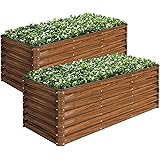
SnugNiture 2-Pack 6x2x2FT Galvanized Raised Garden Bed Kit, Metal Planter Box for Planting Plants Vegetables, Brown
$149.99 (as of 08:19 GMT -05:00 - More infoProduct prices and availability are accurate as of the date/time indicated and are subject to change. Any price and availability information displayed on [relevant Amazon Site(s), as applicable] at the time of purchase will apply to the purchase of this product.)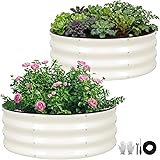
Now retrieving an image set.
ZORMY Galvanized Raised Garden Bed Outdoor, Round Metal Planter Boxes 2 Pcs, 3x3x1ft Steel Raised Bed Kit for Planting Vegetables, Fruits, Flowers(White)
$49.99 (as of 08:19 GMT -05:00 - More infoProduct prices and availability are accurate as of the date/time indicated and are subject to change. Any price and availability information displayed on [relevant Amazon Site(s), as applicable] at the time of purchase will apply to the purchase of this product.)- 1. Choose the Right Varieties for 2025
- 2. Prepare Proper Soil and Soil Health
- 3. Master Seeding Techniques
- 4. Optimal Watering Practices
- 5. Thinning and Spacing for Healthy Roots
- 6. Pest and Disease Management
- 7. Proper Fertilization Strategies
- 8. Timing Your Planting for Success
- 9. Harvesting at the Perfect Moment
- 10. Post-Harvest Care and Storage
1. Choose the Right Varieties for 2025
Genetically Optimized Seeds for Better Yields
Selecting the best carrot and radish varieties for 2025 can significantly influence your harvest success. Modern seed breeders focus on creating varieties with enhanced flavor, disease resistance, and adaptability to changing climates. For instance, heirloom varieties like ‘Danvers’ carrots or ‘Cherry Belle’ radishes remain popular, but newer hybrids are showing promising yields and resilience.
When choosing seeds, look for options specifically labeled for your growing zone and season length. Checking with local agricultural extensions or reputable seed suppliers ensures you’re selecting varieties with proven performance in your region. This choice is especially critical given the unpredictable weather patterns expected in 2025 due to climate change.
Pro tip: Experiment with different varieties to discover which ones thrive in your soil and climate, and record your results for future seasons. Diversification helps mitigate risks associated with pests or diseases targeting particular varieties. Remember, the right variety is the foundation of growing carrots and radishes tips for a successful 2025 harvest.
Seeding Compatibility and Growth Cycles
Understanding the growth cycles of different carrot and radish varieties helps you plan sequential planting, ensuring a continuous harvest throughout the season. Some varieties mature in as little as 20 days, while others take over 70 days. Adjust your planting schedule accordingly to maximize productivity in 2025.
For example, quick-maturing radishes like ‘French Breakfast’ are perfect for early spring or fall planting, while longer-season carrots like ‘Carrotito’ might be suited for late spring. Matching your varieties’ growth requirements with your planting calendar ensures optimal use of space and resources.
Incorporate local weather forecasts and climate predictions into your selection process. Growing carrots and radishes tips that are tailored to upcoming trends will help you plan effectively for a bumper harvest in 2025.
2. Prepare Proper Soil and Soil Health
Soil Testing and Amendments
Healthy soil is the cornerstone of growing carrots and radishes tips for robust root development. Start by testing your soil’s pH and nutrient levels. Carrots prefer slightly acidic to neutral soil (pH 6.0-7.0), whereas radishes are quite adaptable but still thrive in similar conditions.
If your soil is deficient in organic matter or nutrients, incorporate compost or well-rotted manure before planting. Testing in 2025 helps you adjust fertilization practices to optimize growth and maximize yield. Remember, poor soil quality can lead to misshapen or stunted roots, wasting time and effort.
Amending your soil thoughtfully encourages beneficial microbes and improves drainage. Healthy soil is essential for growing carrots and radishes tips, especially as climate trends in 2025 may bring unexpected weather events affecting soil moisture levels.
Creating Loamy, Well-Drained Beds
Carrots and radishes require loose, aerated soil to develop long, straight roots. Avoid compacted or heavy clay soils, which can hinder root growth and cause deformities. Improving your soil structure by adding sand or organic matter enhances drainage and tilth.
A practical tip is to build raised beds or mounded rows for better drainage. This reduces the risk of root rot and other moisture-related issues, particularly as annual rainfall patterns become more erratic in 2025.
Consistent soil preparation reduces pest and disease susceptibility, making growing carrots and radishes tips more effective and your harvest stronger. Invest in maintaining soil health, and you’ll see better root quality and higher yields.
3. Master Seeding Techniques
Proper Depth and Spacing
For successful growing carrots and radishes tips, seed placement matters. Plant carrot seeds about ¼ to ½ inch deep, and radish seeds slightly shallower, around ¼ inch. Proper depth ensures good soil contact, which is crucial for germination. Spacing is equally vitalâtypically, place carrot seeds 1-2 inches apart, and radish seeds about 1 inch apart.
Overcrowding leads to competition for nutrients and space, resulting in forked carrots and stunted radishes. Thinning later is necessary, but starting with correct spacing minimizes plant stress and maximizes your harvest potential in 2025.
Use fine soil or seed-starting mixes for easier sowing and better seed-to-soil contact, especially as seed quality and germination rates improve with technological advances in 2025.
Timing Your Seeding
Timing your seeding window is an often-overlooked aspect of growing carrots and radishes tips. In 2025, consider local frost dates and optimum soil temperatures. Carrots typically germinate best when soil is around 50°F, while radishes can tolerate slightly cooler conditions.
Early spring and late summer plantings are popular to extend harvest periods. Sequential sowings every 2-3 weeks ensure a continuous supply. Use a planting calendar to align seedings with your local climate for maximum success in 2025.
Research indicates that proper seeding timing increases germination success rate by up to 30%, making this tip crucial for growing carrots and radishes tips effectively.
4. Optimal Watering Practices
Consistent Moisture Levels
Water is essential for healthy root development. For growing carrots and radishes tips, maintaining consistent soil moistureâabout 1 inch of water per weekâis key. Fluctuations can cause roots to split or become woody. Use a rain gauge or moisture meter to track rainfall and supplemental watering needs.
In 2025, with climate patterns shifting, being proactive with watering schedules is more important than ever. Mulching can help retain soil moisture, reduce evaporation, and suppress weeds, contributing to uniform growth.
Overwatering can lead to root rot, so always check soil moisture before watering again. Aim for a balance that keeps roots moist but not waterlogged.
Watering Techniques and Tools
Drip irrigation or soaker hoses deliver water directly to the soil, minimizing evaporation and waste. These tools are especially effective in maintaining consistent moisture across your planting beds.
Early morning watering allows excess moisture to evaporate during the day, reducing disease risk. Cemented with good watering habits, your growing carrots and radishes tips will develop crisp, tasty roots.
In 2025, smart irrigation systems that connect to weather apps are becoming affordable and accessible. Utilizing technology can optimize water use and improve your gardenâs productivity.
5. Thinning and Spacing for Healthy Roots
Why Thinning Matters
Thinning is an essential step in growing carrots and radishes tipsâremoving overcrowded seedlings ensures each root has enough space to grow properly. Crowding can cause roots to fork, deform, or remain stunted.
Once seedlings have grown enough to handle, thin them to about 2-3 inches apart for carrots and 1-2 inches for radishes. Doing this early prevents root crowding later and improves overall yield and quality.
Lessons from 2025’s data suggest that diligent thinning can boost harvest size by up to 25%, making it well worth the effort.
Techniques for Effective Thinning
Use scissors or pinch off excess seedlings gently to avoid disturbing the roots of remaining plants. Remember, pour some water beforehand to keep soil moist and roots intact during thinning.
Keep a record of your thinning practices and results for future reference. Proper spacing is critical for growing carrots and radishes tips and ensures your roots develop to their full potential.
Thinning not only improves individual root size but also enhances air circulation and reduces disease riskâkey focus areas for 2025’s growing trends.
6. Pest and Disease Management
Common Pests and How to Control Them
Pests like carrot rust flies, aphids, and flea beetles can destroy your crop quickly. Radishes also face issues with root maggots. Early detection and natural control methods are essential. Using row covers can physically block pests from reaching your plants in the early stages.
In 2025, integrated pest management (IPM) practices incorporate beneficial insects such as ladybugs and predatory nematodes. These biological controls reduce chemical use and promote eco-friendly gardening.
Monitoring regularly and applying appropriate organic pesticides when necessary can keep pest populations in check and protect your growing carrots and radishes tips.
Get a free subscription to PREPARE – with more gardening and homesteading tips!
Preventing and Managing Diseases
Disease outbreaks like root rot, mold, and leaf blights can devastate your garden. Ensure good air circulation, avoid overhead watering, and rotate crops annually to prevent soil-borne diseases.
Using disease-resistant varieties enhances your chances of success in 2025. Regularly remove and destroy any infected plant material to prevent spread.
Applying organic fungicides as a preventive measure can be effective. Staying vigilant and practicing good crop hygiene is key to maintaining healthy roots and plentiful harvests.
7. Proper Fertilization Strategies
Balanced Nutrition for Root Development
Carrots and radishes are root crops that require specific nutrients for optimal growth. A balanced fertilizer with an emphasis on phosphorus and potassium encourages healthy root elongation and flavor development.
In 2025, consider using slow-release organic fertilizers or compost teas to supply nutrients steadily throughout the growing season. Avoid high nitrogen fertilizers, which promote excessive foliage at the expense of roots.
Regular soil testing guides your fertilization schedule, ensuring you provide the right nutrients at the right times for growing carrots and radishes tips in a thriving garden.
Foliar Feeding and Supplementing
Supplementing with foliar feeds containing micronutrients can boost root growth and improve overall plant health. Apply during cool, calm mornings for best absorption.
Monitoring plant health and adjusting fertilization accordingly helps prevent deficiencies that can lead to misshapen roots or poor flavor.
In 2025, innovative organic fertilizers with bio-stimulants are becoming more popular, further enhancing root crop yields and quality.
8. Timing Your Planting for Success
Aligning Planting with Seasons
Planting at the right time is crucial for growing carrots and radishes tips. In most regions, early spring and late summer are optimal for a continuous harvest. Use local climate data to determine your best planting dates in 2025.
For carrots, soil temperatures of 50-75°F promote germination, while radishes can tolerate cooler soil. Delaying planting or rushing it can lead to poor germination or bolting.
Consider succession planting to maximize space and yield during the growing season, especially with the unpredictable climate trends in 2025.
Monitoring Weather and Adjusting Plans
Utilize weather forecasts and soil temperature data to optimize your planting schedule. Sudden cold snaps or heatwaves can affect germination and growth.
Incorporate protective measures like row covers or shade cloths to extend your planting window and shield young plants from extreme weather events of 2025.
Smart timing, combined with growing carrots and radishes tips based on current trends, will help you produce a bountiful harvest this year.
9. Harvesting at the Perfect Moment
Signs of Maturity
Harvesting at the right time maximizes flavor and texture. For radishes, generally 25-30 days after planting, roots should have a full, vibrant color and be of appropriate size. Carrots are typically ready in 70-80 days, with tops showing above the soil.
Overripe roots become woody or bitter, so learning to recognize maturity indicators is essential. Use gentle digging to check root size without damaging the skin.
Following these guidelines ensures your crop quality aligns with growing carrots and radishes tips and yields maximum flavor and crunch in 2025.
Tools and Techniques for Harvesting
A good garden fork or trowel helps lift roots carefully without breakage. For radishes, pull gently when tops start to wilt. Clean roots promptly to prevent soil-borne diseases.
Post-harvest, allow carrots to cure in the sun for a few days to improve storage life. Proper harvesting technique preserves your efforts and ensures a longer-lasting, fresh supply.
Effective harvesting methods support your efforts in growing carrots and radishes tips for a successful 2025 season.
10. Post-Harvest Care and Storage
Cleaning and Curing
Gently brush off dirt and trim tops to prepare roots for storage. Proper curingâletting carrots sit in a cool, humid place for a few daysâimproves skin quality and storage life.
Radishes are best stored in perforated bags in the refrigerator, maintaining crispness for up to two weeks. Proper post-harvest handling minimizes spoilage and maximizes your harvest’s usability.
Investing in good storage techniques is integral to growing carrots and radishes tips for enjoying your homegrown produce well beyond the planting season.
Long-term Storage Tips
Carrots can be stored in sand or storage bins in a cool cellar for several months if conditions are optimal. Keep temperature around 32-40°F and humidity high.
Radishes are more perishable but can be preserved via pickling or dehydration if desired. Planning for extended storage in 2025 allows you to enjoy your harvest longer and reduce waste.
Effective post-harvest practices ensure your efforts in growing carrots and radishes tips lead to a rewarding, long-lasting supply of fresh vegetables.
Frequently Asked Questions
Q1: How can I improve my growing carrots and radishes tips for 2025?
Focus on soil health, seed selection, proper timing, consistent watering, and pest management. Staying updated on current trends helps optimize your results.
Q2: What are the best varieties of carrots and radishes to plant in 2025?
Choose disease-resistant, climate-adapted, and high-yielding varieties such as ‘Danvers’ carrots and ‘Cherry Belle’ radishes, tailored to your local conditions.
Q3: When is the best time to harvest carrots and radishes?
Radishes are usually ready in about 25-30 days, while carrots take approximately 70-80 days. Look for specific indicators of maturity for each variety.
Q4: How can I prevent pests from damaging my carrots and radishes?
Use row covers, crop rotation, beneficial insects, and organic pest controls. Regular monitoring helps catch infestations early.
Q5: How do I store carrots and radishes after harvesting?
Store carrots in a cool, humid place like a root cellar or in sand, and radishes in perforated bags in the fridge. Proper storage maximizes freshness and longevity.
Conclusion
Mastering the art of growing carrots and radishes tips for 2025 requires attention to detail, careful planning, and adopting innovative practices. From selecting the right varieties to optimizing soil, watering, and harvesting techniques, each step plays a crucial role in boosting your harvest. The keyword phrase ‘growing carrots and radishes tips’ encapsulates the essentials needed to succeed. Whether you’re a seasoned gardener or a novice, implementing these expert strategies will ensure you enjoy plentiful, flavorful root vegetables all season long. Here’s to your success in 2025!
Get a free subscription to PREPARE – with more gardening and homesteading tips!
Related Content
- Turning Food Waste into Fertilizer: The Joy of Composting
- Global Waste <b>Composting</b> Machine Market 2021 Top Companies Report Covers, Impact …
- Tips and Tricks for a Successful Vegetable Garden
- Coffee leads the way in compostability | Store Brands
- Arlington County’s new food scrap collection service starts on Labor Day | WTOP