Now retrieving an image set.
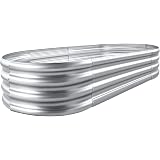
Land Guard Galvanized Raised Garden Bed Kit, Galvanized Planter Garden Boxes Outdoor, Oval Large Metal Raised Garden Beds for Vegetables…………
$25.99 (as of 12:59 GMT -05:00 - More infoProduct prices and availability are accurate as of the date/time indicated and are subject to change. Any price and availability information displayed on [relevant Amazon Site(s), as applicable] at the time of purchase will apply to the purchase of this product.)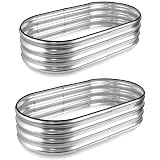
Now retrieving an image set.
JERIA Raised Garden Bed,Galvanized Raised 2 Pcs 4×2×1ft Planter Boxes Outdoor with Easy Assembly, Large Garden Bed for Vegetables, Fruits, Flower
$49.99 (as of 12:59 GMT -05:00 - More infoProduct prices and availability are accurate as of the date/time indicated and are subject to change. Any price and availability information displayed on [relevant Amazon Site(s), as applicable] at the time of purchase will apply to the purchase of this product.)Table of Contents
- 1. Choosing the Right Containers for Growing Cucumbers in Containers
- 2. Selecting the Best Soil Mix for Container Cucumbers
- 3. Proper Watering Techniques for Container Grown Cucumbers
- 4. Support Structures and Trellising for Optimal Growth
- 5. Pest and Disease Management in Container Cultivation
- 6. Fertilization Tips for Growing Cucumbers in Containers
- 7. Harvesting and Enjoying Your Container-Grown Cucumbers
1. Choosing the Right Containers for Growing Cucumbers in Containers
Size and Material Considerations
When it comes to growing cucumbers in containers, selecting the right container size is crucial. For healthy root development, opt for containers that are at least 18-24 inches in diameter and depth. Larger containers prevent root bound conditions and promote vigorous growth, especially for vining cucumber varieties.
Material matters too. Good options include sturdy plastic, clay, or fabric grow bags. Plastic containers retain moisture well, but ensure they have drainage holes. Fabric grow bags are breathable, reducing the risk of overwatering and root rot. In 2025, self-watering containers are also gaining popularity, making watering easier and more efficient.
Remember that your container’s weight and portability can also influence your selection, especially if you plan to move your plants around. Picking the optimal size and material helps ensure that your cucumbers will flourish throughout the season.
Drainage and Ventilation
Proper drainage is essential to prevent waterlogged roots, which can cause rot and hinder plant growth. When choosing containers, check for adequate drainage holes. You might consider adding extra holes or using a layer of gravel at the bottom for improved aeration.
Good ventilation around the roots enhances overall plant health. If using porous materials like clay or fabric, make sure they are well-ventilated. During hot months in 2025, containers with excellent drainage and ventilation will help your cucumbers stay healthy and produce more fruit.
2. Selecting the Best Soil Mix for Container Cucumbers
Nutrient-Rich and Well-Draining Soil
The foundation of successful growing cucumbers in containers starts with the right soil. A high-quality, well-draining soil mix rich in organic matter ensures your plants receive proper nutrients and aeration. In 2025, many gardeners are turning to custom soil blends that incorporate compost, peat moss, and perlite or vermiculite for optimal drainage.
Avoid garden soil or heavy clay mixes, as they can retain excess moisture and limit root growth. Instead, choose a mix tailored for container gardening or build your own with a 1:1:1 ratio of compost, peat moss, and perlite for a balanced environment.
Adding organic fertilizers or slow-release pellets can supplement nutrients, especially nitrogen, phosphorus, and potassiumâessential for healthy cucumber development. Regularly amend your soil each season to maintain its vitality for growing cucumbers in containers.
Soil pH and Testing
Cucumbers prefer a soil pH between 6.0 and 7.0. Testing your soil mix before planting ensures optimal nutrient uptake. In 2025, digital soil testers make it quick and easy to monitor pH levels and adjust with natural amendments like lime (to raise pH) or sulfur (to lower pH).
Maintaining the proper soil pH not only enhances growth but also reduces disease problems. Regular testing during the season helps catch imbalances early and keeps your cucumbers in top shape. Remember, healthy soil equals healthy plantsâand better yields.
3. Proper Watering Techniques for Container Grown Cucumbers
Consistent Watering Schedule
Container grown cucumbers require consistent watering to prevent stress and encourage steady growth. In 2025, aiming for deep, uniform watering around once every 1-2 days, depending on weather conditions, is recommended. Check soil moisture daily by feeling the top inchâif it feels dry, itâs time to water.
Overwatering can lead to root rot, while under-watering causes uneven fruit development. Using a watering can with a fine nozzle allows for gentle, even moisture application. During hot summer months, increase watering frequency to compensate for faster evaporation.
For convenience, consider installing drip irrigation or self-watering containers that provide steady moisture levels. Consistent watering techniques help optimize cucumber yields and quality in your container garden.
Water Quality and Timing
Water impurities such as chlorine or salts can adversely affect cucumber growth. In 2025, using filtered or rainwater is ideal, especially for sensitive plants like cucumbers. Timing is also importantâwatering early in the day allows excess moisture to evaporate, reducing disease risk.
Monitoring your container’s soil moisture and adjusting your schedule accordingly ensures the roots remain moist but not drenched. Proper watering is one of the simplest yet most effective ways to grow healthy cucumbers in containers.
4. Support Structures and Trellising for Optimal Growth
Choosing the Right Trellis System
Cucumbers are vining plants, and providing strong support ensures their healthy growth in containers. In 2025, popular options include A-frames, vertical trellises, or netting attached to stakes. These structures keep cucumbers off the soil, improving air circulation and reducing disease.
Consider the size and type of your cucumber variety when selecting support. Pick a trellis that’s sturdy enough to hold vigorous vines and heavy fruit. For smaller spaces, vertical or tension wire systems work well.
Installing support early in the season prevents damage later when plants are heavy with fruit. Regularly tie or guide new growth to the trellis, ensuring even distribution and maximum sunlight exposure. Healthy support systems lead to better yields.
Training and Maintenance
Training your cucumber vines involves gently tying the branches to the support, encouraging upward growth. Use soft plant ties or strips to avoid damaging stems. In 2025, some gardeners are experimenting with automated trellising systems for minimal effort.
Regular pruning of excess or damaged leaves improves airflow and directs energy toward fruit production. As the plants grow, check that the support remains stable and adjust as needed. Proper trellising makes harvesting easier and enhances plant health.
Maintaining the support structures throughout the season helps prevent breakage and promotes a robust cucumber crop in your container garden.
5. Pest and Disease Management in Container Cultivation
Common Pests and How to Control Them
Growing cucumbers in containers can attract pests like aphids, cucumber beetles, and spider mites. In 2025, organic pest control methods such as neem oil, insecticidal soaps, and introducing beneficial insects like ladybugs are popular. Regular inspection helps catch infestations early.
Get a free subscription to PREPARE – with more gardening and homesteading tips!
Handpicking larger pests and removing infected plant parts can curb outbreaks. Keep your plants healthy with proper watering and fertilization, as vigorous plants are more resistant to pests. Using physical barriers like row covers also provides an extra layer of protection.
Monitoring and controlling pests in your container garden reduces the need for chemical interventions, keeping your cucumbers organic and safe.
Managing Diseases Effectively
Fungal diseases like powdery mildew and downy mildew can threaten your cucumber crop. In 2025, ensuring good air circulation and avoiding overhead watering can reduce disease incidence. Use disease-resistant varieties when possible.
Applying organic fungicides and removing infected foliage helps control outbreaks. Avoid overcrowding plants on their supports to promote airflow. Regularly cleaning your containers and tools minimizes pathogen spread.
Early detection and integrated pest and disease management strategies are key to maintaining healthy container-grown cucumbers. Your vigilance pays off with a plentiful, healthy harvest.
6. Fertilization Tips for Growing Cucumbers in Containers
Choosing the Right Fertilizer
In 2025, consistent fertilization is vital for growing cucumbers in containers. Use a balanced liquid fertilizer, such as a 10-10-10 or 20-20-20 mix, every 1-2 weeks during the growing season. Organic options like fish emulsion or seaweed extract are also effective and environmentally friendly.
Start with dry, slow-release fertilizers at planting, then supplement with liquid feeds for ongoing nutrition. Sticking to a regular schedule ensures your cucumbers develop healthy leaves, flowers, and fruit.
Watch for signs of deficienciesâyellowing leaves may indicate nitrogen deficiency, while poor fruiting could signal potassium imbalance. Adjust your fertilization plan accordingly for optimal results.
Timing and Application Methods
Applying fertilizer at key growth stages maximizes nutrient uptake. After planting, wait a few weeks before fertilizing until seedlings establish. During flowering and fruiting, increase feeding frequency to promote abundant yields.
Using foliar feeds can provide quick nutrient boosts, especially during critical periods. Always follow manufacturer instructions to avoid overfeeding, which can harm your plants. Proper fertilization practices are essential for growing cucumbers in containers with success in 2025.
Incorporate organic compost teas or liquid feeds into your routine for healthier, tastier cucumbers straight from your container garden.
7. Harvesting and Enjoying Your Container-Grown Cucumbers
Timing and Techniques for Harvesting
In 2025, the optimal time to harvest cucumbers is when they are firm, uniformly colored, and reach the desired sizeâtypically 6-8 inches for slicing varieties. Frequent harvesting encourages plants to produce more fruit. Use sharp scissors or pruners to clip cucumbers without damaging vines.
Regular harvesting prevents cucumbers from overripening or turning bitter, ensuring the best flavor. Check your plants daily during peak production. Proper timing makes all the difference in flavor and satisfaction.
Monitoring your crop closely and harvesting at the right moment boosts both yield and quality for your homegrown cucumbers. Happy harvesting!
Cooking, Storage, and Enjoyment
Fresh cucumbers are versatile in the kitchenâperfect for salads, pickling, or even infused waters. In 2025, consider trying new recipes and storage techniques to make the most of your harvest. Store cucumbers in the refrigerator’s crisper drawer for up to a week for maximum freshness.
For longer storage, pickling or making cucumber preserves are popular options. Growing cucumbers in containers makes it easy to harvest fresh ingredients quickly, enhancing your culinary adventures. Combining the right harvest timing with creative storage maximizes the pleasure of your homegrown cucumbers.
Frequently Asked Questions about Growing Cucumbers in Containers
1. Can I grow cucumbers successfully in small containers?
While larger containers are preferable, you can grow cucumbers successfully in smaller pots if you choose bush varieties and provide proper support. Ensure good soil and consistent watering.
2. How often should I water growing cucumbers in containers?
In 2025, aim to water deeply every 1-2 days, adjusting based on weather conditions and container size. Keep the soil moist but not soaked for optimal growth.
3. What are the best cucumbers for container growing?
Pick bush or compact varieties like ‘Patio Snacker’ or ‘Bush Pickle,’ which are well-suited for containers and produce high yields in limited space.
4. How can I prevent pests when growing cucumbers in containers?
Regular inspection, organic pest control methods, and physical barriers like netting are effective strategies for preventing pest problems in container cucumbers.
5. Is growing cucumbers in containers sustainable for 2025?
Yes! Container gardening is increasingly sustainable, especially with eco-friendly practices like composting, water conservation, and organic fertilization, making it a popular choice for modern gardeners.
Conclusion
Growing cucumbers in containers is a rewarding way to enjoy fresh, homegrown produce, even in limited space. With the right container, soil, watering, support, and care, you can achieve a bountiful harvest in 2025. By following these 7 effective tips, you’ll optimize your container gardening success and savor delicious cucumbers all season long. Remember, success in growing cucumbers in containers depends on attention to detail and consistent effort. Happy gardening!