Now retrieving an image set.
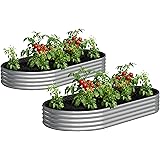
Yortrek 2PCS 8x4x1FT Galvanized Raised Garden Bed Kit,Vegetable Boxes-Oval Metal Flower Box,Large Planter Raised Beds Outdoor Garden for Planting,Fruit,Herb-Silver
$64.99 (as of 08:19 GMT -05:00 - More infoProduct prices and availability are accurate as of the date/time indicated and are subject to change. Any price and availability information displayed on [relevant Amazon Site(s), as applicable] at the time of purchase will apply to the purchase of this product.)
Now retrieving an image set.
Land Guard 8ft Galvanized Raised Garden Bed Kit, Raised Garden Boxes Outdoor, Oval Metal Raised Garden Beds for Vegetables, Silver,108 Gallon Capacity(with 10 Connecting rods)
$39.99 (as of 12:59 GMT -05:00 - More infoProduct prices and availability are accurate as of the date/time indicated and are subject to change. Any price and availability information displayed on [relevant Amazon Site(s), as applicable] at the time of purchase will apply to the purchase of this product.)Table of Contents
- 1. Focus on Soil Preparation
- 2. Choose Certified Organic Seeds
- 3. Incorporate Composting Effectively
- 4. Practice Crop Rotation
- 5. Use Natural Pest Control Methods
- 6. Optimize Water Management
- 7. Conduct Seasonal Soil Testing
- 8. Collaborate with Local Organic Experts
- 9. Keep Detailed Garden Records
- 10. Commit to Continuous Learning
1. Focus on Soil Preparation
Understanding Your Soil Health
Growing organic vegetables starts with healthy soil. In 2025, more gardeners recognize that nutrient-rich, well-draining soil is the foundation of a productive organic garden. Conducting a soil test before planting gives you insight into pH levels and nutrient deficiencies. Based on this data, you can amend your soil with organic materials such as compost, aged manure, or seaweed extracts.
Healthy soil not only provides essential nutrients but also improves the soil structure, aiding root penetration and water retention. By prioritizing soil health, you’ll see stronger plant growth and higher yields, even in challenging conditions. Remember, sustainable practices in soil preparation pay off in the form of resilient plants that can resist pests and diseases naturally.
In 2025, innovative soil amendments like biochar and mycorrhizal fungi are gaining popularity for improving soil vitality. Incorporating these organic additives can significantly enhance microbial activity, vital for growing organic vegetables successfully.
2. Choose Certified Organic Seeds
Why Organic Seeds Matter
One of the most critical steps in growing organic vegetables is starting with certified organic seeds. These seeds are produced without synthetic chemicals, GMOs, or artificial treatments, ensuring your entire crop remains truly organic. In 2025, the demand for organic seeds continues to rise, with more seed companies offering certified options for popular vegetables like tomatoes, peppers, and greens.
Using organic seeds reduces the risk of introducing unwanted chemicals into your garden. Additionally, organic seeds are often bred for better resilience and adaptability to organic growing conditions, resulting in stronger, more disease-resistant plants. This is especially important as many pests are becoming resistant to chemical pesticides, making natural plant vigor a key factor in organic gardening success.
Always verify the certification from reputable organizations like OSA (Organic Seed Standards) before purchasing. The investment in organic seeds pays off through healthier plants and higher-quality produce, reinforcing sustainable practices in your garden.
3. Incorporate Composting Effectively
Creating Nutrient-Dense Compost
Composting is at the heart of growing organic vegetables. In 2025, gardeners increasingly focus on creating rich, diverse compost that feeds their plants naturally. Use kitchen scraps, yard waste, and organic manure to build a balanced compost heap. Aim for a mix of greens (nitrogen-rich materials) and browns (carbon sources) to promote aeration and microbial activity.
Proper composting enhances soil fertility without synthetic fertilizers, leading to vigorous plant growth and improved taste of vegetables. Regular turning and moisture management ensure decomposition proceeds swiftly and evenly. Remember, compost should smell earthy and not sour or rottenâthis signifies itâs well-balanced.
Experimenting with compost teas can further boost soil health and plant resilience. Applying compost tea during watering supplies a gentle but effective natural fertilizer that supports ongoing organic growing practices.
4. Practice Crop Rotation
Maintaining Soil Nutrition and Health
Crop rotation is a timeless technique that helps prevent soil depletion and reduces pest and disease buildup. For growing organic vegetables in 2025, rotate families of plants each seasonâsuch as legumes, brassicas, and nightshadesâto keep your soil balanced and healthy.
This practice ensures that nutrients are replenished naturally; for instance, planting beans or peas (legumes) adds nitrogen back into the soil through nitrogen fixation. Conversely, rotating crops helps break pest cycles, reducing the need for organic pesticides and promoting a pest-resistant garden ecosystem.
Planning your crop rotation calendar makes it easier to track what you planted and anticipate soil needs. In addition, it creates a more resilient garden, capable of producing abundant vegetables sustainably year after year.
5. Use Natural Pest Control Methods
Embracing Beneficial Insects and Companion Planting
A key aspect of growing organic vegetables is managing pests without synthetic chemicals. In 2025, relying on natural pest control strategies is more crucial than ever. Beneficial insects like ladybugs and lacewings prey on common pests and can be attracted by planting insectary flowers such as dill, fennel, and marigolds.
Companion planting offers a natural way to deter pests. For example, basil around tomatoes can repel aphids, while marigolds discourage nematodes. These methods reduce pest populations while maintaining ecological balance in the garden.
Physical barriers like row covers and organic pheromone traps are also effective. Regular monitoring and early intervention help prevent infestations before they become destructive, ensuring your vegetables grow healthy and pesticide-free.
6. Optimize Water Management
Efficient Watering Techniques
Proper watering is essential for flourishing organic vegetables. In 2025, smart irrigation systems like drip irrigation and soaker hoses are increasingly popular for conserving water and delivering it directly to the roots. This minimizes evaporation and ensures plants receive consistent moisture.
Get a free subscription to PREPARE – with more gardening and homesteading tips!
Watering in the early morning reduces disease risk and allows plants to dry during the day. Mulching around plants further conserves moisture, regulates temperature, and suppresses weeds. A well-maintained watering schedule tailored to each vegetable type promotes optimal growth and reduces stress.
Monitoring soil moisture with simple tensiometers helps prevent overwatering or underwatering. Keeping your plants consistently hydrated will pay off with higher yields and better-tasting vegetables, aligned with organic gardening principles.
7. Conduct Seasonal Soil Testing
Maintaining Soil Balance Year-Round
Regular soil testing is vital for growing organic vegetables. In 2025, home testing kits make it easier and more affordable to analyze soil health throughout the year. Testing helps you understand pH levels, nutrient content, and organic matter, enabling precise amendments.
Adjustments like adding lime or sulfur to correct pH or supplementing with organic fertilizers ensure your soil remains in optimal condition for your vegetables. Seasonal testing helps avoid nutrient deficiencies or toxicities that can hamper growth and harvest.
This proactive approach promotes sustainable practices, reduces waste, and ensures your gardenâs long-term productivity. Itâs a simple, science-backed step in successful organic gardening for 2025 and beyond.
8. Collaborate with Local Organic Experts
Learning and Networking
Partnering with local organic gardening groups, farmers, or extension services provides valuable insights tailored to your region. In 2025, these collaborations help troubleshoot issues, share seeds, and exchange best practices for growing organic vegetables.
Attending workshops and farm tours can deepen your understanding of sustainable methods and new technologies. These connections foster community support, motivation, and inspiration for continual improvement.
Additionally, local experts often know about soil conditions, pests, and climate trends specific to your area, enabling you to adapt your growing strategies effectively. Building this kind of network is a powerful tool for achieving a successful, organic harvest.
9. Keep Detailed Garden Records
Tracking Progress and Improving Practices
Thorough record-keeping helps you learn what works best when growing organic vegetables. In 2025, digital tools and apps make tracking planting dates, weather conditions, pest issues, and yields easier than ever.
By reviewing your records seasonally, you can identify patterns, success factors, and areas for improvement. This practice helps refine your organic growing methods over time, leading to higher yields and more flavorful vegetables.
Consistent documentation also ensures you maintain organic standards, track amendments, and plan crop rotations effectively. Being systematic about your garden management leads to sustainable, bountiful harvests for years to come.
10. Commit to Continuous Learning
Staying Updated on Organic Practices
The world of growing organic vegetables is constantly evolving. In 2025, staying informed through books, webinars, and workshops is essential. Many organic gardening experts share new research, innovative techniques, and success stories that can inspire your own garden.
Participating in online forums and subscribing to industry newsletters can provide ongoing education. Experimenting with new companion plants, cover crops, or organic pest control methods keeps your garden dynamic and productive.
Adopting a mindset of continuous learning ensures you adapt to climate changes, pest developments, and emerging opportunities for sustainable practicesâultimately leading to more abundant, healthy vegetables in your harvests.
Frequently Asked Questions
- What are the best tips for growing organic vegetables in 2025?
- Focusing on soil health, choosing certified organic seeds, practicing crop rotation, and using natural pest control methods are among the top tips for growing organic vegetables this year.
- How can I improve soil fertility for growing organic vegetables?
- Regular composting, organic amendments like manure or biochar, and thorough soil testing help maintain optimal fertility for your garden.
- Are organic pest control methods effective?
- Yes, natural methods like beneficial insects, crop rotation, and companion planting can control pests effectively without synthetic chemicals.
- Why is soil testing important in growing organic vegetables?
- Seasonal soil testing ensures your soil maintains proper pH and nutrient levels, preventing deficiencies and supporting healthy plant growth.
- Where can I find reliable resources for growing organic vegetables?
- Local extension services, organic farming organizations, and reputable online platforms provide valuable information for growers in 2025.
Conclusion
Growing organic vegetables in 2025 is both an art and a science. By implementing these ten effective tips, you can ensure a bountiful, healthy harvest that aligns with sustainable and eco-friendly practices. Remember, success in growing organic vegetables depends on healthy soil, choosing the right seeds, natural pest management, and continuous learning. Embrace these strategies, and your garden will thrive, providing fresh, delicious produce for your family while supporting environmental stewardship. Happy gardening!
Get a free subscription to PREPARE – with more gardening and homesteading tips!
Related Content
- The Watering Mistake That Causes Most Plant Diseases and How to Prevent It for a Healthier Garden
- S-OneLP ReEarth Films Earn BPI Certification – Label and Narrow Web
- Recycle & Reuse: Four most common composting questions during the holidays
- Food Waste Composting Machine Market 2021 : Top Factors That Are Leading The … – Industrial IT
- Composting, housing plans and more coming to Warren County – NEWS10 ABC