Now retrieving an image set.
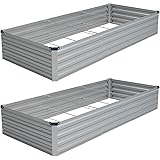
Vengarus 2 Pack 9x3x1FT Galvanized Raised Garden Bed Kit, Outdoor Metal Planter Box for Vegetables, Rectangular Steel Container, Easy Assembly (Silver)
$59.99 (as of 12:59 GMT -05:00 - More infoProduct prices and availability are accurate as of the date/time indicated and are subject to change. Any price and availability information displayed on [relevant Amazon Site(s), as applicable] at the time of purchase will apply to the purchase of this product.)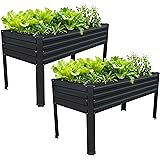
Now retrieving an image set.
Easllre 2PCS 48×24×30in Galvanized Raised Garden Bed,Metal Elevated Planter Box with Legs for Patio,Balcony,Backyard,300lb Capacity,Black
$95.99 (as of 08:19 GMT -05:00 - More infoProduct prices and availability are accurate as of the date/time indicated and are subject to change. Any price and availability information displayed on [relevant Amazon Site(s), as applicable] at the time of purchase will apply to the purchase of this product.)Table of Contents
- Soil Health Matters
- Choose Organic Seeds
- Start Composting Effectively
- Watering Wisely
- Natural Pest Control Methods
- Optimize Sunlight & Placement
- Companion Planting Strategies
- Plan for Seasonal Cycles
- Use Organic Fertilizers
- Maintain Weed & Pest Control
1. Prioritize Soil Health for Bountiful Organic Vegetables
Understanding Organic Soil Composition
Growing organic vegetables at home begins with healthy soil. In 2025, sustainable gardening emphasizes soil that is rich in organic matter and free from synthetic chemicals. Healthy soil supplies vital nutrients, supports beneficial microorganisms, and improves plant resilience. One way to assess your soil is through simple testsâsuch as pH and nutrient levelsâand amend accordingly with organic compost or natural amendments.
For example, using composted manure or homemade compost enhances soil structure, providing a fertile environment for root development. These amendments also increase microbial activity, which is crucial for converting organic matter into accessible nutrients for your plants.
Based on recent research, soils with high microbial diversity tend to yield healthier, more productive vegetables, particularly in an organic setup. Aiming for soil that contains at least 5% organic matter is a good benchmark for thriving organic vegetable gardens at home in 2025.
Implementing Organic Soil Management Techniques
Practicing crop rotation and cover cropping can significantly improve soil health over time. Cover crops like clover or vetch fix nitrogen naturally into the soil, reducing the need for external fertilizers. Mulching around your vegetables helps retain moisture, regulate temperature, and suppress weeds, all of which contribute to better soil health.
Rotating crops each season prevents soil depletion and breaks pest and disease cycles. For instance, rotating leafy greens with root vegetables or legumes ensures your soil remains balanced and productive year-round. These practices are especially vital when growing organic vegetables at home, as they eliminate reliance on chemical interventions.
In 2025, integrating smart soil management tools, like organic soil testers and weather forecasting apps, can help you fine-tune your soil care strategies for optimal results.
2. Select Certified Organic Seeds for Better Results
Why Organic Seeds Make a Difference
Choosing organic seeds is fundamental when growing organic vegetables at home. Certified organic seeds are produced without synthetic chemicals, GMOs, or artificial treatments, ensuring your plants start from the most natural foundation. This practice not only supports organic integrity but also enhances plant health and flavor.
In 2025, more seed companies are offering a wider variety of organic options, making it easier to grow diverse vegetables naturally. Starting with certified organic seeds guarantees that your entire gardening process remains chemical-free from start to finish.
Additionally, organic seeds are often hardier and better adapted to local conditions, which increases your chances of a successful harvest.
How to Choose the Right Seeds
When selecting seeds, consider your local climate, planting season, and the specific vegetables you want to grow. Many seed catalogs and local garden centers now feature organic varieties with detailed growing instructions, making the selection process easier.
Itâs also beneficial to save seeds from your best plants each year, provided they are open-pollinated and non-GMO. This practice helps you develop resilient strains tailored to your environment and reduces costs over time.
In 2025, using seed-tracking apps can help you organize your seed inventory and plan rotations for continual success in growing organic vegetables at home.
3. Master Composting for Nutrient-Rich Soil
Composting Basics for Organic Gardening
Effective composting transforms kitchen scraps, yard waste, and garden debris into rich, dark compost that fertilizes your vegetables naturally. In 2025, small-scale composting has become more accessible thanks to user-friendly compost bins and smart compost tumblers.
When growing organic vegetables at home, compost provides essential nutrients like nitrogen, phosphorus, and potassium. A good compost pile balances “green” materials (fruit and vegetable scraps) with “brown” materials (dry leaves, straw), ensuring proper aeration and decomposition.
Regular turning and monitoring moisture levels accelerate composting and produce high-quality compost in a matter of months. Incorporating compost into your soil improves structure, enhances water retention, and promotes healthy root growth.
Organic Composting Tips for Success
To maximize compost quality, avoid adding diseased plants or chemically treated materials. Use biodegradable pest barriers or organic pest deterrents to prevent contamination. Also, adding compost accelerators made from organic sources can speed up decomposition.
Learn from local organic gardening communities or online forums. They often share innovative composting techniques suitable for urban or small-space gardensâperfect for those growing organic vegetables at home in 2025.
Incorporating composting into your gardening routine is a sustainable way to reduce waste and improve your gardenâs vitality.
4. Water Strategically to Boost Growth
Efficient Irrigation Techniques
Consistent watering is critical for growing organic vegetables at home, especially during hot or dry spells in 2025. Drip irrigation and soaker hoses are excellent tools that deliver water directly to plant roots, minimizing waste and disease risk.
Incorporate moisture sensors or simple feel-tests to determine when your soil needs watering. This prevents overwatering, which can lead to root rot, and underwatering, which stresses plants. Mulching around your vegetables also conserves moisture and keeps roots cool.
By watering early in the morning, you ensure that plants have enough moisture to sustain their growth throughout the day without promoting fungal diseases.
Water Conservation Tips for Organic Gardens
Collect rainwater using barrels or other systems to reduce reliance on municipal water supplies. Rainwater is naturally softer and free from chemicals, making it ideal for organic growing. Additionally, scheduling watering based on weather forecasts prevents unnecessary watering during rain spells.
Adopting efficient watering habits not only helps the environment but also boosts your crop yields in 2025.
5. Use Natural Pest Control Methods
Embracing Companion Planting
Companion planting is a time-tested method to repel pests and support beneficial insects. For example, planting marigolds near tomatoes helps deter nematodes and aphids. In 2025, selecting the right plant combinations ensures a balanced, pest-resistant organic vegetable garden.
Research shows that certain herbs like basil, thyme, and mint can repel common pests while attracting pollinators. Strategic planting enhances plant health and reduces the need for organic pesticides.
Start planning your garden layout early, prioritizing beneficial plant pairings that work synergistically to protect your vegetables naturally.
Organic Pest Deterrents and Barriers
Use organic sprays such as neem oil or insecticidal soaps for managing infestations without chemicals. Physical barriers like row covers and netting keep pests at bay during vulnerable stages.
Encouraging natural predators, like ladybugs and lacewings, can help control aphids and other pest populations. Provide habitats such as insect hotels or plant cover crops to attract these beneficial insects.
In 2025, integrated pest management (IPM) will be increasingly important, combining multiple eco-friendly methods for effective pest control in growing organic vegetables at home.
6. Optimize Light and Garden Placement
Maximizing Sunlight Exposure
Most vegetables need at least 6-8 hours of direct sunlight daily. Choose a sunny spot in your yard or balcony thatâs free from shade cast by trees or structures. Proper sunlight ensures vigorous growth and high yields.
In urban or limited-space settings, vertical gardens or solar-powered grow lights can supplement daylight during shorter winter days in 2025, helping you continue growing organic vegetables at home year-round.
Regularly inspect your planting area for shadows or obstructions, adjusting placements as needed to maximize sun exposure.
Perfecting Garden Layout for Productivity
Place taller plants like tomatoes or corn toward the north side of your garden bed to prevent shading smaller vegetables. Grouping plants with similar water and nutrient needs also makes maintenance easier.
Get a free subscription to PREPARE – with more gardening and homesteading tips!
Using containers or raised beds can help you control soil quality and placement, especially if soil quality is poor or contaminated. Proper layout enhances airflow, reduces disease risk, and makes watering more efficient.
By thoughtful positioning, you can optimize light and space to grow organic vegetables at home successfully in 2025.
7. Practice Companion and Friendly Planting
Pairing Vegetables for Better Growth
Companion planting isnât just about pest control; it also improves plant health and yields. For example, planting beans with corn benefits both by fixing nitrogen in the soil naturally. Such strategies are vital in growing organic vegetables at home sustainably.
Some plant combinations deter pests, improve flavor, or provide shade that reduces water evaporation. For instance, carrots and onions grow well together, deterring pests from both plants.
Design your garden layout considering these beneficial pairings to optimize space and productivity in your 2025 garden.
Benefits of Diverse Planting
Growing a variety of vegetables reduces pest spread and enhances ecological balance. Diverse planting also attracts beneficial insects, supports pollination, and boosts your gardenâs overall health.
Incorporate flower or herb interplants, like basil or calendula, which attract pollinators and repel pests naturally. This holistic approach helps you stay aligned with organic principles.
Adopting friendly planting strategies ensures a resilient, productive, and eco-friendly garden environment this year.
8. Plan for Seasonal Planting Cycles
Year-Round Organic Growing
Successful growing organic vegetables at home in 2025 requires planning around seasonal cycles. Start seeds indoors during late winter for an early spring harvest or use cold frames to extend your growing season.
Crop succession allows continuous harvests, avoiding planting all at once. Stagger planting times so your garden produces fresh vegetables throughout the year.
Documenting planting dates and growth progress helps refine your planning for future seasons, leading to more efficient and abundant harvests.
Adapting to Climate Variability
Climate change in 2025 affects planting schedules and crop choices. Selecting resilient, adaptable varieties suited to your region ensures steady yields.
Utilize forecasting tools and weather apps to make informed decisions about planting and harvesting times. Microclimate adjustments, like shading or wind protection, can also improve success.
Effective seasonal planning is a key component of growing organic vegetables at home with confidence and consistency.
9. Use Organic Fertilizers for Optimal Nutrition
Choosing the Right Organic Fertilizers
In 2025, options for organic fertilizers include compost tea, fish emulsion, bone meal, and kelp extract. These supply essential nutrients naturally and promote healthy plant development.
Applying fertilizers based on specific crop needs prevents overfeeding and environmental runoff, aligning with home organic gardening practices. Raised bed systems often require more frequent feeding, making organic options ideal.
Regular soil testing helps determine nutrient deficiencies, guiding your fertilization schedule for maximum growth and flavor.
Application Tips and Timing
For best results, apply organic fertilizers during active growth phasesâearly morning or late afternoonâto reduce nutrient loss. Use slow-release options for steady feeding over time.
Incorporate organic fertilizers into the soil around the plants rather than broadcasting from above to prevent waste. Mulching over fertilized beds enhances nutrient retention.
Embracing organic fertilization is essential when growing organic vegetables at home in 2025, ensuring healthy, vibrant harvests naturally.
10. Keep Up Weed and Pest Control Methods
Maintaining a Clean and Tidy Garden
Regular weeding is crucial to prevent competition for nutrients and water. In 2025, manual removal combined with organic mulch provides an effective, chemical-free weed control strategy.
Mulch not only suppresses weeds but also conserves moisture and regulates soil temperature, supporting healthy vegetable growth.
Inspect plants frequently for pest signs and address issues early to prevent outbreaks and minimize crop damage.
Organic Pest Management Strategies
Implementing integrated pest management (IPM) techniques, such as beneficial insects, traps, and organic sprays, helps maintain a balanced pest population. Rotate crops each season to break pest and disease cycles.
Applying organic pest deterrents, like neem oil or garlic sprays, can safeguard your plants without harmful chemicals. Encouraging diversity in your garden supports natural predators, maintaining a healthy ecosystem.
Consistent maintenance and eco-friendly practices are key to successfully growing organic vegetables at home in 2025.
Frequently Asked Questions
1. Why is growing organic vegetables at home beneficial?
Growing organic vegetables at home ensures your produce is free from synthetic chemicals, promotes sustainability, and can improve flavor and nutritional value.
2. How can I start growing organic vegetables at home if I have limited space?
Container gardening, vertical gardens, and balcony pots are excellent options for small spaces. Select compact vegetable varieties and optimize sunlight exposure.
3. What are the best organic fertilizers to use in 2025?
Popular organic fertilizers include compost tea, fish emulsion, kelp extract, and bone meal. Always base fertilization on soil tests and plant needs for best results.
4. How do I control pests naturally in my organic vegetable garden?
Use companion planting, beneficial insects, organic sprays, and physical barriers. Regular inspection and crop rotation also help keep pests at bay.
5. What are some common mistakes to avoid when growing organic vegetables at home?
Avoid over-fertilizing, neglecting soil health, using contaminated compost, and ignoring pest signs. Proper planning and maintenance are key for success.
Conclusion
Growing organic vegetables at home in 2025 is an rewarding journey that combines sustainability with delicious, healthy produce. By following these 10 effective tipsâfocusing on soil health, organic seeds, composting, and natural pest controlâyouâll set yourself up for a thriving garden. Remember, patience and consistency are vital. Whether you have a small balcony or a backyard space, implementing best practices for organic gardening will ensure you enjoy fresh, chemical-free vegetables year-round. Start today, and watch your garden flourish organically in 2025!
Get a free subscription to PREPARE – with more gardening and homesteading tips!
Related Content
- Become An Organic Gardening Master By Using These Tips
- Your Organic Garden: Great Advice You Can Use Today
- Growing Up Healthy: Tricks To Growing A Great Organic Garden
- Yard and food waste collection for the season is ending soon | News | khq.com
- Accurately The Way To Pick Out Newborn Furnishings Dressers For Any Baby’s Living Room