Now retrieving an image set.
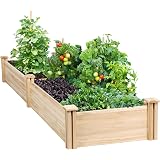
Yaheetech 8×2ft Wooden Horticulture Raised Garden Bed Divisible Elevated Planting Planter Box for Flowers/Vegetables/Herbs in Backyard/Patio Outdoor, Natural Wood, 95 x 25 x 11in
$48.99 (as of 12:58 GMT -05:00 - More infoProduct prices and availability are accurate as of the date/time indicated and are subject to change. Any price and availability information displayed on [relevant Amazon Site(s), as applicable] at the time of purchase will apply to the purchase of this product.)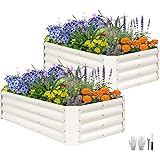
Now retrieving an image set.
ZORMY 2 Pcs 4x2x1ft Galvanized Raised Garden Bed Outdoor, Metal Planter Boxes with Easy Assembly, Planter Raised Beds for Gardening, Flower, Plants, Vegetable, Herb - White
$42.89 (as of 08:19 GMT -05:00 - More infoProduct prices and availability are accurate as of the date/time indicated and are subject to change. Any price and availability information displayed on [relevant Amazon Site(s), as applicable] at the time of purchase will apply to the purchase of this product.)
Table of Contents
- Introduction to Growing Potatoes in Containers
- Tip 1: Choosing the Right Container
- Tip 2: Selecting the Best Potato Varieties for Container Growth
- Tip 3: Proper Soil Preparation and Fertilization
- Tip 4: Optimal Planting Techniques
- Tip 5: Watering and Maintenance
- Tip 6: Managing Pests and Diseases
- Tip 7: Supporting and Staking Your Plants
- Tip 8: Harvesting Your Container-Grown Potatoes
- Tip 9: Storage and Post-Harvest Care
- Tip 10: Troubleshooting Common Problems
- Conclusion
- FAQs about Growing Potatoes in Containers in 2025
1. Introduction to Growing Potatoes in Containers
Understanding Why Container Growing is Popular in 2025
Growing potatoes in containers has become a popular gardening trend in 2025, especially for urban gardeners and those with limited space. Whether you live in an apartment or have a small backyard, container cultivation allows you to enjoy fresh, homegrown potatoes. This method offers excellent control over soil quality, watering, and pests, making it easier to achieve a bountiful harvest.
For beginners, growing potatoes in containers can be less intimidating than traditional gardening. With the right setup, you can see results quickly and avoid many of the challenges faced in ground planting. In 2025, innovations in container design and soil mixes have further simplified this gardening method, making it accessible to everyone.
From a sustainability perspective, container growing reduces water waste and promotes local food production. Plus, the ability to move containers around gives you flexibility to optimize sunlight and protect your plants from harsh weather conditions.
2. Tip 1: Choosing the Right Container
Material Matters for Container Growing
The first step in successful growing potatoes in containers is selecting an appropriate container. In 2025, options range from traditional plastic bins to innovative self-watering containers. Your choice should depend on durability, material, and size preferences.
Plastic containers are lightweight, affordable, and easy to find. They also come in various sizes and styles, making them perfect for small balconies or patios. However, ensure they have drainage holes to prevent waterlogging, which can cause potato rot.
Cedar or other rot-resistant woods are excellent natural options, especially for larger, custom-built beds. Metal containers can work well but may heat up quickly, so placement is key. Self-watering pots are gaining popularity in 2025 because they help maintain consistent moisture levels, crucial for healthy potatoes.
Size Considerations for Optimal Growth
When growing potatoes in containers, size matters. A typical 15-gallon container is suitable for a few potato plants, but larger sizes like 20-30 gallons give roots more space to develop. A good rule of thumb is to choose a container at least 12 inches deep and wide.
Deeper containers support longer, healthier tuber development and reduce the need for frequent repotting. Keep in mind, small containers restrict root growth, which can lead to smaller harvests.
In 2025, innovative modular container systems allow gardeners to expand their potato gardens vertically or horizontally, maximizing limited space and increasing yield potential.
3. Tip 2: Selecting the Best Potato Varieties for Container Growth
Popular Varieties in 2025
Choosing the right potato variety is key to a successful container harvest. In 2025, some of the best varieties for container gardening includeRed Thumb, Yukon Gold, and Nicola. These are known for their compact growth habits and high yields.
Early maturing varieties like Red Thumb allow you to enjoy fresh potatoes faster, typically within 70-90 days. Meanwhile, varieties like Yukon Gold offer a versatile flavor and good storage life, making them ideal for home cooks.
When selecting varieties, also consider disease resistance and how well they adapt to container environments. Consulting local seed catalogs or gardening experts can help you choose the most suitable options for 2025.
Seed vs. Dormant Tuber Set Choices
You can start your container potatoes using certified seed potatoes or dormant tuber sets. Seed potatoes are disease-free and guaranteed to produce healthy plants, making them a popular choice. Dormant tubers are typically less expensive and readily available at garden centers.
In 2025, new hybrid varieties offer improved yields, pest resistance, and adaptability to container cultivation. Always choose high-quality, disease-free tubers for the best results.
Plantting tips: cut larger seed potatoes into pieces, each with at least one eye, and allow them to callus for 24 hours before planting. This reduces rot and improves sprouting success.
4. Tip 3: Proper Soil Preparation and Fertilization
Creating the Perfect Soil Mix for Container Potatoes
In 2025, soil health remains at the forefront of successful container growing. Potatoes thrive in loose, well-draining soil rich in organic matter. A typical mix includes peat moss or coconut coir, compost, and garden soil in equal parts.
Adding organic compost boosts nutrient content, supporting vigorous vine growth and tuber development. Avoid heavy clay soils that can retain excess moisture and cause rot.
Many gardeners in 2025 also incorporate biochar or other soil amendments to improve aeration and nutrient retention, leading to healthier plants and larger harvests.
Fertilization Schedule and Key Nutrients
Potatoes are heavy feeders; in 2025, a balanced fertilizer with nitrogen, phosphorus, and potassium (NPK) is essential. Apply a slow-release fertilizer at planting time, and supplement with liquid feeds every 2-3 weeks during the growing season.
Incorporating micronutrients like magnesium and calcium further supports healthy tuber development. Avoid over-fertilizing, which can lead to lush vine growth at the expense of tuber size.
Monitoring soil pH is also vital; ideally, it should be around 5.5 to 6.5 for optimum nutrient uptake. Regular testing helps maintain ideal conditions.
5. Tip 4: Optimal Planting Techniques
Planting Depth and Spacing
In 2025, planting potatoes in containers involves placing seed tubers about 4 inches deep, then covering them with soil. As the plants grow, additional soil (or “hilling”) is added to promote better tuber development and prevent greening.
Spacing is critical â plant seed tubers 6-8 inches apart within the container to ensure ample room for growth. Crowded plants compete for nutrients and moisture, reducing yields.
Using a layering approach, you can add soil in stages as the plants grow taller, which encourages more tuber formation along the buried stems. This technique is especially effective in limited space setups.
Timing Your Planting for Maximum Yield
In 2025, the optimal planting window depends on your local climate. Generally, plant seed potatoes when soil temperatures reach 45-50°F (7-10°C). This usually corresponds to early spring in most regions.
For container planting, you can start earlier indoors or in a greenhouse and transplant outside once conditions are suitable. This gives your potatoes a head start and longer growing season.
Pay attention to long-term weather forecasts and plan accordingly, as sudden frosts can damage young plants.
6. Tip 5: Watering and Maintenance
Maintaining Consistent Moisture Levels
In 2025, consistent watering is crucial to prevent stress on your container-grown potatoes. Aim to keep the soil evenly moist but not waterlogged. Use containers with excellent drainage to avoid root rot.
Check moisture levels regularly â a simple way is to feel the top inch of soil. If it feels dry, water thoroughly. During hot spells, daily watering may be necessary, especially in small containers.
Implementing a drip irrigation system or self-watering pots can help maintain consistent moisture, reducing your workload and improving plant health.
Pruning and Vine Management
While potatoes donât require extensive pruning, removing any diseased or damaged foliage helps prevent pest and disease issues. In 2025, some gardeners also remove lower leaves to improve air circulation.
Supporting tall or sprawling plants with stakes or cages can help keep foliage off the soil, reducing disease risk and making harvesting easier.
Get a free subscription to PREPARE – with more gardening and homesteading tips!
Regular maintenance, including weeding and monitoring for pests, ensures your container potatoes remain healthy and productive throughout the season.
7. Tip 6: Managing Pests and Diseases
Common Problems and How to Address Them
Pests like Colorado potato beetles and aphids remain common in 2025. Use eco-friendly controls like neem oil or insecticidal soaps to manage infestations effectively.
Diseases such as blight and scurf can threaten your crop. Ensuring good airflow, crop rotation, and removing infected foliage minimize these issues.
Choosing disease-resistant potato varieties and maintaining healthy, vigorous plants are your best defenses against common pests and diseases in container environments.
Preventive Measures for a Healthy Crop
Regular inspection and prompt action are vital. Keep your containers clean and free of debris to prevent disease buildup.
Incorporating organic mulch can reduce weeds and maintain soil moisture, indirectly supporting disease prevention.
2025 gardening trends emphasize integrated pest management (IPM), combining cultural, biological, and chemical methods for sustainable control.
8. Tip 7: Supporting and Staking Your Plants
Why Support is Necessary
As potato plants grow taller, especially in confined spaces, they may require staking or support. Supporting your plants prevents breakage and keeps foliage off the ground.
In 2025, flexible trellis systems are popular among container gardeners for their ease of use and adaptability. They help maintain plant structure and improve airflow.
When supporting plants, use breathable materials and avoid damaging the stems. Proper support can significantly enhance your yield and ease of harvest.
Tools and Materials for Supporting Potatoes
Common support materials include bamboo stakes, plant cages, or trellis netting. Choose options that suit your container size and aesthetic preferences.
For small containers, tomato cages work well and are easy to adapt. Larger pots may benefit from sturdy stakes with twine or wire.
In 2025, innovative support systems with integrated watering and nutrient delivery are hitting the market, making plant management simpler for container growers.
9. Tip 8: Harvesting Your Container-Grown Potatoes
When and How to Harvest
In 2025, most potato varieties grown in containers are ready for harvest 70-120 days after planting. Signs of readiness include yellowing foliage and visible tubers at the soil surface.
Gently dig around the container’s edges or lift the entire plant using a garden fork. Be cautious to avoid damaging the tubers.
Harvesting at the right time ensures your potatoes are mature and storability is maximized. Freshly harvested potatoes should be cured before storage for best results.
Post-Harvest Handling and Uses
After harvesting, gently brush off excess soil and let the potatoes cure in a cool, dark, well-ventilated area for about two weeks. This toughens the skin and prolongs storage life.
Stored potatoes in 2025 last longer when kept in a cool (45-50°F), dark place with good airflow. Proper storage can extend shelf life to several months.
Use your fresh container-grown potatoes for a variety of recipes, from roasts to salads, ensuring you enjoy the fruits of your labor throughout the year.
10. Tip 9: Storage and Post-Harvest Care
Best Practices for Storage in 2025
Ensure your potatoes are fully cured before long-term storage. Keeping them in a dark, cool, and humid environment minimizes sprouting and rotting. Ideal storage conditions in 2025 include temperatures of 45-50°F with humidity around 85-90%.
Use breathable containers like burlap sacks or baskets, and check stored potatoes regularly for signs of spoilage. Removing any damaged tubers prevents rot spreading to healthy ones.
Innovations in packaging, such as vacuum-sealed bags with controlled atmospheres, are becoming popular for extending shelf life even further.
Handling Leftovers and Replanting
In some cases, leftover potatoes with eyes can be used to replant in subsequent seasons. Choose healthy, disease-free tubers for best results.
Rotating your potato varieties annually and maintaining soil health helps prevent disease buildup, ensuring productive container gardening in 2025 and beyond.
Reusing containers with fresh soil and proper sanitation prepares your space for new planting seasons.
11. Tip 10: Troubleshooting Common Problems
Identifying and Resolving Issues Quickly
In 2025, common growing problems include small tubers, greening, and pest infestation. Recognizing early signs allows for quick action to save your crop.
Small tubers often result from overcrowding or insufficient nutrients. Adjust spacing and fertilization strategies accordingly.
Greening indicates exposure to light and can produce toxins. Cover exposed tubers immediately to prevent health hazards.
Expert Tips for Maintaining Healthy Container Potatoes
Regularly inspect your plants and containers for pests, diseases, or signs of stress. Maintain proper watering, nutrition, and support to promote vigorous growth.
In 2025, data-driven pest forecasting apps help gardeners stay ahead of potential infestations, making troubleshooting more effective.
Creating a detailed gardening log can assist in diagnosing recurring issues and planning better practices for future plantings.
Conclusion
Growing potatoes in containers remains an accessible and rewarding way to enjoy fresh produce in 2025. By following these 10 effective tips, from selecting the right container to post-harvest storage, you can maximize your harvest and ensure a successful season. Remember that each step contributes to healthy plants and bountiful tubers, making your container gardening endeavors both enjoyable and fruitful. So, embrace the challenge and start growing potatoes in containers today â itâs easier than ever in 2025!
FAQs about Growing Potatoes in Containers in 2025
- 1. Can I grow potatoes in a small balcony container?
- Absolutely! With proper container choice and soil management, small balcony gardens in 2025 can produce a surprising amount of potatoes.
- 2. What is the best time to plant potatoes in containers in 2025?
- Plant your seed potatoes when soil temperatures reach around 45-50°F, typically early spring, but adjust based on your local climate.
- 3. How often should I water my container potatoes?
- Water whenever the top inch of soil feels dry, ensuring consistent moisture without waterlogging.
- 4. Growing potatoes in containers â are they as productive as ground planting?
- With proper care, container-grown potatoes can yield as much as ground-grown ones, especially with optimal soil, watering, and variety selection.
- 5. How do I troubleshoot common issues when growing potatoes in containers?
- Early detection of pests or diseases, proper spacing, supported growth, and soil health management are key to troubleshooting problems effectively.
Get a free subscription to PREPARE – with more gardening and homesteading tips!
Related Content
- Kew Gardens CSA partners with Queens Botanical Garden to bring composting program …
- Letter: Township, state officials supportive at difficult time – Reading Eagle
- Kickstart Your Gardening Journey: Explore The Easiest Root Crops for First Time Gardeners
- Waste Composting Machine Market Size by Top Companies, Trends by Types and …
- Organic Vegetable Gardening Made Easy