Now retrieving an image set.
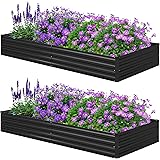
Foxlang 8x4x1ft(2 Pack) Galvanized Raised Garden Bed,Outdoor Planter Box Metal Patio Kit Planting Bed for Vegetables Flowers Herb,Black
$60.99 (as of 12:58 GMT -05:00 - More infoProduct prices and availability are accurate as of the date/time indicated and are subject to change. Any price and availability information displayed on [relevant Amazon Site(s), as applicable] at the time of purchase will apply to the purchase of this product.)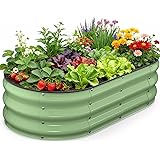
Now retrieving an image set.
Yumatum Raised Garden Bed 4×2×1 FT, Galvanized Metal Raised Planter Box, Vegetable Planting Container with Safety Edge Trim, Hardware & Gloves Included, Fruit Green for Backyard Patio Balcony
$23.99 (as of 08:19 GMT -05:00 - More infoProduct prices and availability are accurate as of the date/time indicated and are subject to change. Any price and availability information displayed on [relevant Amazon Site(s), as applicable] at the time of purchase will apply to the purchase of this product.)- 1. Choose the Right Varieties
- 2. Perfect Your Soil Preparation
- 3. Master Proper Planting Techniques
- 4. Optimize Light and Temperature Conditions
- 5. Implement Effective Watering Habits
- 6. Practice Thinning and Spacing
- 7. Use Organic Fertilizers Wisely
- 8. Control Pests and Diseases
- 9. Harvest at the Right Time
- 10. Store Your Root Vegetables Properly
1. Choose the Right Varieties
Selecting Popular Root Vegetables for Home Growing
When it comes to growing root vegetables at home, selecting the right varieties is crucial. Popular options like carrots, beets, radishes, turnips, and parsnips are excellent choices for beginner and experienced gardeners alike. For 2025, many seed companies are offering new hybrid strains that promise better flavor and pest resistance, making your harvest more enjoyable.
Research each varietyâs growth duration and climate preferences. For example, short-season carrots are perfect for regions with cooler summers, while longer varieties can thrive in warmer climates. Growing the right type of root vegetables ensures a more successful and satisfying home gardening experience.
Always check seed packages for recommended planting zones and maturity times, which helps you plan your planting schedule effectively. Remember, selecting quality seeds directly impacts your success in growing root vegetables at home.
2. Perfect Your Soil Preparation
Soil Composition and Amendments
Root vegetables thrive in loose, well-draining soil thatâs rich in organic matter. Before planting, itâs essential to test your soil to determine pH and nutrient levels. Ideally, you want a slightly acidic to neutral pH of 6.0â7.0. In 2025, soil testing kits are more affordable and accessible, making it easier for home growers to optimize soil conditions.
Amending your soil with compost, aged manure, or organic amendments helps improve structure and fertility. Avoid heavy clay or compacted soil, which can cause roots to deform or struggle to grow straight. Incorporating organic matter also boosts water retention and aeration, essential factors for successful root development.
Remember, fertile and well-drained soil reduces the risk of pests and diseases while promoting healthy root growth. Proper soil preparation lays a solid foundation for your home gardening efforts.
3. Master Proper Planting Techniques
Spacing and Depth for Optimal Growth
Planting root vegetables at the correct depth and spacing is key to preventing overcrowding and ensuring uniform development. A good rule of thumb is to plant seeds or seedlings at a depth twice their diameter. For example, carrot seeds should be sown about 1/4 inch deep, while larger roots like turnips need a bit more space.
Spacing varies depending on the crop: carrots should be spaced about 2-4 inches apart, whereas beets can be planted roughly 3 inches apart. Thinning is essential later on to allow roots to expand fully and to prevent competition for nutrients. This is a vital tip for growing root vegetables at home effectively.
Use a garden trowel or dibber for precise planting, and always water thoroughly afterward. Practicing proper planting techniques minimizes root deformities and supports healthy crop development throughout the 2025 growing season.
4. Optimize Light and Temperature Conditions
Creating the Ideal Environment for Root Crops
Root vegetables generally prefer full sun, requiring at least 6-8 hours of direct sunlight daily. In 2025, with climate patterns changing, many gardeners are using techniques like raised beds or reflective mulches to maximize light exposure even during cloudy days.
Temperature is also a critical factor: most root crops grow best in temperatures between 55°F to 75°F (13°C to 24°C). Early planting in spring or late summer into fall can help you avoid extreme heat that may cause roots to become woody or bitter. Using row covers or shade cloths can protect delicate plants during warmer spells.
Monitoring local weather forecasts and adjusting planting schedules accordingly ensures that your root vegetables develop in the optimal environment, leading to better yields and flavor.
5. Implement Effective Watering Habits
Consistent Moisture for Healthy Roots
Proper watering is vital for growing root vegetables at home. Roots need consistent moisture to grow properly, but overwatering can cause rot or encourage pests. Aim for about 1 inch of water per week, adjusting based on rainfall and soil conditions. In 2025, smart watering systems and moisture sensors are more accessible, helping gardeners maintain optimal moisture.
Deep, infrequent watering encourages roots to develop downward, promoting stronger and more nutritious crops. Mulching around plants can help retain soil moisture and suppress weeds, saving time and effort.
Remember, fluctuations in moisture levels can lead to poor root formation or cracking. Regularly check soil moisture levels to keep your home-grown roots healthy and flavorful.
6. Practice Thinning and Spacing
Why Thinning Matters for Root Development
Thinning your seedlings is a crucial step in growing root vegetables at home. When seeds germinate densely, roots compete for nutrients, water, and space. Thinning allows remaining plants to develop properly, resulting in larger, more uniform roots.
For example, after thinning carrot seedlings to about 2 inches apart, youâll notice a significant boost in root size over the season. Carefully remove the weaker seedlings and gently loosen the soil around remaining plants to prevent root damage.
This process not only improves crop yield and quality but also reduces the risk of pests and diseases that thrive in overcrowded environments. Make thinning a regular part of your gardening routine for best results in 2025.
Get a free subscription to PREPARE – with more gardening and homesteading tips!
7. Use Organic Fertilizers Wisely
Feeding Root Vegetables for Maximum Growth
Roots absorb nutrients directly from the soil, making fertilization an essential aspect of growing root vegetables at home. Organic options like compost tea, fish emulsion, or bone meal provide slow-release nutrients that promote healthy root growth without chemical residues.
In 2025, several innovative organic fertilizers are gaining popularity, especially those with balanced nitrogen, phosphorus, and potassium (NPK ratios) tailored for root crops. Applying fertilizers at planting and again mid-season ensures your vegetables receive the necessary nourishment.
Over-fertilizing can lead to lush foliage but poor root formation. Use soil tests and follow recommended application rates to maintain balanced nutrition, supporting a bountiful harvest.
8. Control Pests and Diseases
Preventing Common Problems in Root Vegetables
Pests like root maggots, aphids, and nematodes can sabotage your growing efforts. Diseases, including fungal rot and downy mildew, also threaten healthy roots. In 2025, integrated pest management (IPM) strategies are more effective and environmentally friendly.
Practicing crop rotation, removing infected plant debris, and encouraging beneficial insects like ladybugs help keep pests in check. Using organic neem oil or insecticidal soap can further protect your crops without harmful chemicals.
Monitoring your plants regularly allows you to catch issues early, minimizing damage and ensuring your home-grown root vegetables remain healthy and delicious.
9. Harvest at the Right Time
Signs of Mature Root Vegetables
Timing your harvest is key to getting the best flavor and texture from your root vegetables. Most roots, such as carrots and beets, are ready when they reach their full size, typically between 60-80 days after planting, depending on the variety. In 2025, using season extension techniques like row covers can help increase your harvest window.
Check your crops visually and gently dig around roots to gauge size. For example, carrots should be around ½ to 1 inch in diameter, while parsnips should be pale and firm.
Late harvesting can cause roots to become woody or lose flavor, so keep close tabs on your crops. Proper timing maximizes taste and storage potential in your home pantry.
10. Store Your Root Vegetables Properly
Best Practices for Keeping Roots Fresh
After harvest, proper storage extends the edibility and flavor of your home-grown root vegetables. In 2025, root cellar techniques or refrigerator storage are popular among home gardeners. Roots like carrots and beets should be cleaned, trimmed, and stored in perforated bags in a cool, dark place with high humidity.
Avoid washing roots until just before use to prevent rot, and remove any diseased or damaged specimens to prevent spoilage. Some roots, such as parsnips and carrots, can be stored for several months if kept at 32â40°F (0â4°C).
Effective storage minimizes waste and helps you enjoy your harvest over an extended period, making your efforts in growing root vegetables at home truly rewarding.
Frequently Asked Questions
Q1: What are the easiest root vegetables to grow at home in 2025?
Some of the easiest options include radishes, carrots, and beets. These crops have relatively short growing seasons and are forgiving for beginners.
Q2: How can I improve my success in growing root vegetables at home?
Focus on quality soil preparation, proper planting depth, timely watering, and pest control. Using organic amendments and practicing crop rotation also enhances soil health and crop yield.
Q3: What is the best time to harvest root vegetables in 2025?
Most root crops are ready when they reach mature size, usually between 2-4 months after planting. Check specific varieties for recommended harvest times.
Q4: How do I store root vegetables after harvesting?
Store roots in a cool, dark, and humid environment, such as a root cellar or fridge. Keep them in perforated bags and only wash before use to prolong freshness.
Conclusion
Growing root vegetables at home is a rewarding activity that yields nutritious crops and enhances your gardening skills. By selecting the right varieties, preparing your soil properly, and following the essential tips outlined here, you can achieve a bountiful harvest in 2025. Remember, success in home gardening depends on attention to detail and patienceâboth of which are key to thriving in growing root vegetables at home. Embrace these tips to elevate your gardening game and enjoy delicious, fresh roots right from your backyard or balcony!