Now retrieving an image set.
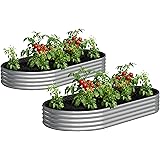
Yortrek 2PCS 8x4x1FT Galvanized Raised Garden Bed Kit,Vegetable Boxes-Oval Metal Flower Box,Large Planter Raised Beds Outdoor Garden for Planting,Fruit,Herb-Silver
$64.99 (as of 08:19 GMT -05:00 - More infoProduct prices and availability are accurate as of the date/time indicated and are subject to change. Any price and availability information displayed on [relevant Amazon Site(s), as applicable] at the time of purchase will apply to the purchase of this product.)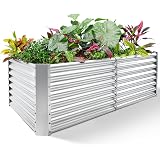
Now retrieving an image set.
Land Guard 8×4×2 ft Galvanized Raised Garden Bed Kit, Galvanized Planter Raised Garden Boxes Outdoor, Large Metal Raised Garden Beds for Vegetables.
$89.99 (as of 12:59 GMT -05:00 - More infoProduct prices and availability are accurate as of the date/time indicated and are subject to change. Any price and availability information displayed on [relevant Amazon Site(s), as applicable] at the time of purchase will apply to the purchase of this product.)
Table of Contents
- 1. Choose the Right Varieties for Your Climate
- 2. Soil Preparation and Nutrient Management
- 3. Optimal Planting Timing
- 4. Proper Spacing and Trekking Support
- 5. Consistent Watering and Mulching
- 6. Pest and Disease Prevention Strategies
- 7. Pollination Techniques for Better Yields
- 8. Regular Harvesting for Continuous Production
- 9. Companion Planting Benefits
- 10. Using Advanced Growing Techniques for 2025
1. Choose the Right Varieties for Your Climate
Understanding Local Climate Zones
Selecting the appropriate squash and zucchini varieties depends heavily on your local climate. In 2025, gardeners are more successful when they choose varieties adapted to their specific growing zones. For example, hybrid types like Summer Squash ‘Black Beauty’ perform well in warmer regions, while resilient heirlooms may thrive in cooler areas.
Knowing your USDA hardiness zone helps prevent planting failures. Consider factors like frost dates, summer temperatures, and humidity levels. Selecting the right varieties tailored to your climate can significantly impact yield and plant health.
Popular Varieties for 2025
Some of the top varieties for the upcoming season include zucchini ‘Dark Green Bush,’ which has compact growth, and yellow straightneck squash, perfect for small gardens. These choices are known for disease resistance and high productivity.
Experimenting with different varieties can lead to discovering what works best in your garden. Research local seed suppliers and gardener forums for the latest recommended types for 2025.
2. Soil Preparation and Nutrient Management
Testing and Improving Soil Health
Healthy soil is the foundation of successful squash and zucchini growth. In 2025, smart gardeners prioritize soil testing to understand pH and nutrient levels. Ideally, the soil pH should be between 6.0 and 7.5 for optimal growth.
Adding organic matter like compost or aged manure improves soil structure, drainage, and fertility. Incorporate these enrichments a few weeks before planting for best results.
Fertilization Tips for a Bountiful Harvest
Use a balanced fertilizer with equal parts nitrogen, phosphorus, and potassium, such as 10-10-10, especially during planting. As plants mature, switch to a fertilizer higher in phosphorus and potassium to promote flowering and fruiting.
In 2025, integrating slow-release fertilizers or organic options like fish emulsion ensures a steady supply of nutrients. Regular feeding supports vigorous growth and increased yields.
3. Optimal Planting Timing
Knowing When to Plant
Timing is everything for growing squash and zucchini tips to succeed in 2025. Aim to plant after the danger of frost has passed and soil temperatures are consistently above 60°F (15°C). This typically means late spring in most regions.
Using local frost calendars and soil temperature probes helps determine the best planting window. Early planting might result in cold damage, while late planting could shorten the harvest window.
Extending the Growing Season
In some regions, gardeners use season extension techniques like row covers or portable greenhouses. These methods can allow you to plant a bit earlier or keep plants productive longer into the season.
In 2025, advancements in season extension tools make it easier for gardeners to maximize their growing season, resulting in more squash and zucchini harvests.
4. Proper Spacing and Trekking Support
Ensuring Adequate Space Between Plants
Correct spacing is vital for airflow, disease prevention, and maximizing yield. Typically, space zucchini plants about 24-36 inches apart, while summer squash can be planted with similar spacing.
Crowding leads to poor air circulation, which encourages fungal diseases common in 2025’s humid conditions. Proper spacing helps to promote healthy, vigorous plants.
Using Trellises and Support Systems
Training vining squash and zucchini on trellises not only saves space but also keeps the fruits clean and reduces pest issues. Support systems like cages or vertical trellises are excellent options.
Implementing these supports early prevents damage to the vines and makes harvesting easier. It also improves airflow, mitigating some pest and disease pressures predicted for 2025.
5. Consistent Watering and Mulching
Watering Strategies for Healthy Plants
Consistent watering is crucial in growing squash and zucchini tips to maintain steady growth and prevent stressing the plants. Aim to provide about 1-2 inches of water per week, adjusting during hot spells.
Utilize drip irrigation or soaker hoses for even moisture delivery. Avoid overhead watering, which can promote fungal diseasesâespecially in high humidity seasons of 2025.
The Benefits of Mulching
Applying organic mulch such as straw, wood chips, or grass clippings conserves soil moisture, suppresses weeds, and regulates temperature. Mulch also helps prevent soil-borne diseases from splashing onto the plants.
In 2025, mulch will continue to be an easy, effective technique for growing squash and zucchini tips that lead to higher yields and healthier plants.
6. Pest and Disease Prevention Strategies
Identifying Common Pests and Diseases
Squash bugs, vine borers, and aphids are typical pests attacking squash and zucchini plants. Diseases like powdery mildew and downy mildew are also common, especially in humid 2025 conditions.
Early detection is key. Keep an eye out for damaged leaves, discolored spots, or pest presence. Regular monitoring helps to catch issues before they spread.
Natural and Organic Control Methods
Use neem oil, insecticidal soaps, or companion planting to deter pests naturally. Introducing beneficial insects like ladybugs can also keep pest populations in check.
Get a free subscription to PREPARE – with more gardening and homesteading tips!
Implement crop rotation and proper spacing to reduce disease risks and promote healthy plants, aligning with the growing squash and zucchini tips for a sustainable harvest.
7. Pollination Techniques for Better Yields
Encouraging Natural Pollinators
Bees are crucial for pollinating squash and zucchini flowers. In 2025, creating pollinator-friendly gardens with native flowers boosts bee populations nearby.
Planting herbs like dill, fennel, or basil attracts pollinators and improves fruit set. Avoid pesticides during peak flowering times to protect these beneficial insects.
Manual Pollination Methods
If natural pollinators are scarce, hand pollination can help. Use a small brush or finger to transfer pollen from male to female flowers.
This technique is especially useful in urban or greenhouse settings, ensuring consistent pollination and maximizing your harvest in 2025.
8. Regular Harvesting for Continuous Production
Knowing When to Harvest
For the best growth and ongoing yields, harvest zucchini and summer squash when fruits reach 6-8 inches in length, depending on the variety. Picking frequently encourages the plant to produce more.
Avoid letting fruits overripen, as this signals the plant to slow down production. Regular harvesting keeps the plants active and productive throughout the season.
Tools and Techniques for Easy Harvesting
Use sharp shears or scissors to avoid damaging vines. Wear gardening gloves and handle fruits gently.
In 2025, efficient harvesting techniques contribute to a plentiful and season-long harvest of your growing squash and zucchini tips.
9. Companion Planting Benefits
Plants That Enhance Growth
Companion planting helps protect squash and zucchini from pests and improves their growth. Planting marigolds or nasturtiums nearby acts as natural pest repellents.
Herbs like basil and cilantro can improve flavor and deter pests. These beneficial plants also attract pollinators, boosting your yields in 2025.
Strategic Garden Layouts
Arrange your garden to maximize space and benefitsâplant squash and zucchini near beans or radishes. Avoid planting them next to crops that attract similar pests or compete for nutrients.
This strategic approach to growing squash and zucchini tips ensures a healthier and more productive garden setting for 2025.
10. Using Advanced Growing Techniques for 2025
Soilless and Hydroponic Methods
In 2025, innovative gardeners are experimenting with hydroponic systems to grow squash and zucchini without soil. These methods allow for precise nutrient control and potentially higher yields.
Starting plants indoors using grow lights and transplanting can extend the growing season and protect plants from unpredictable weather.
Vertical Farming and Technological Tools
Vertical farming setups maximize limited space, making growing squash and zucchini tips more accessible for urban gardeners. Using tools like soil sensors, weather apps, and automated watering systems optimizes care.
Adopting these advanced techniques will help gardeners reach new heights in their 2025 harvests.
Conclusion
Mastering the art of growing squash and zucchini is exciting and rewarding. By following these ten growing squash and zucchini tips, you set yourself up for a productive and healthy 2025 harvest. From selecting the right varieties to implementing advanced techniques, each step plays a vital role. Remember, success in the garden comes down to planning, proper care, and patience. Keep practicing these tips, and you’ll enjoy delicious, bountiful squash and zucchini all season long. Happy gardening!
Frequently Asked Questions
1. What are the best growing squash and zucchini tips for 2025?
Some of the best tips include choosing climate-appropriate varieties, preparing nutrient-rich soil, timing plantings well, and employing effective pest control strategies.
2. How do I improve pollination for better zucchini yields?
Encourage natural pollinators like bees by planting pollinator-friendly flowers, and consider manual pollination if needed to boost fruit set.
3. When is the best time to harvest zucchini and squash?
Harvest when fruits reach 6-8 inches, and pick regularly to promote continuous production throughout the season.
4. How can I utilize the growing squash and zucchini tips to maximize my 2025 harvest?
Implement all the tipsâselect varieties, prepare soil, support plants properly, and use advanced techniquesâto ensure a successful and plentiful harvest in 2025.