Now retrieving an image set.
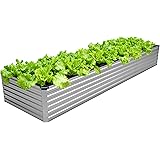
DIIYIV 12x2x1.5FT Galvanized Raised Garden Bed,Vegetable Boxes-Rectangle Metal Flower Box,Large Planter Raised Beds Outdoor Garden for Planting,Fruit,Herb-Silver
$72.99 (as of 08:19 GMT -05:00 - More infoProduct prices and availability are accurate as of the date/time indicated and are subject to change. Any price and availability information displayed on [relevant Amazon Site(s), as applicable] at the time of purchase will apply to the purchase of this product.)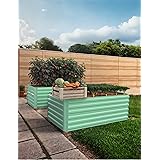
Now retrieving an image set.
CABIHOME 2 Pcs 6x3x2 Ft Galvanized Raised Garden Bed, Deep Root Planter Box for Vegetables, Flowers, Herbs- Large Metal Raised Garden Bed Kit for Outdoor Use, Green
$126.87 (as of 08:19 GMT -05:00 - More infoProduct prices and availability are accurate as of the date/time indicated and are subject to change. Any price and availability information displayed on [relevant Amazon Site(s), as applicable] at the time of purchase will apply to the purchase of this product.)- Tomatoes: The Summer Staple
- Lettuce: Quick and Easy Greens
- Carrots: Root Vegetable Excellence
- Bell Peppers: Colorful, Crunchy, and Versatile
- Cucumbers: Cool and Refreshing
- Zucchini: High-Yield Summer Squash
- Spinach: Nutrient Powerhouse
- Broccoli: Spring and Fall Favorite
- Green Beans: Easy and Productive
- Radishes: Fast-Growing Root Crop
1. Tomatoes: The Summer Staple
Choosing the Right Tomato Varieties
Tomatoes remain among the most popular vegetables for home gardeners in 2025, thanks to their versatility and flavor. When growing vegetables from seeds, selecting the right variety is vital. For summer harvests, consider heirlooms like Brandywine or hybrid cherry types such as Sweet 100. These offer rich taste profiles and high yields.
Growing the right variety ensures that you can enjoy fresh salads, sauces, and snacks throughout the season. Look for disease-resistant strains, especially in warmer climates where late blight and blossom end rot are common issues.
Starting Tomato Seeds Indoors
In 2025, starting tomatoes indoors is the best way to get an early jump on the season. Sow seeds in seed trays 6-8 weeks before the last expected frost date. Maintain soil temperatures of around 70-75°F for optimal germination.
Keep seedlings under grow lights or near south-facing windows to promote healthy growth. Once seedlings develop their second set of true leaves, harden them off gradually before transplanting outdoors. Properly grown tomato seedlings significantly improve your chances of a bountiful harvest.
2. Lettuce: Quick and Easy Greens
Best Lettuce Varieties for 2025
Lettuce is a gardenerâs best friend, especially for beginners. Varieties like Romaine, Butterhead, and Leaf Lettuce grow quickly and can be harvested in as little as 30 days. For year-round harvesting, consider cold-tolerant types and succession planting.
Growing vegetables from seeds includes choosing reliable varieties that suit your climate and available space. In 2025, focus on organic seeds for the freshest greens possible and optimal flavor.
Growing Lettuce Indoors and Outdoors
Lettuce adapts well to both indoor containers and outdoor beds. Seed in early spring or late summer for fall harvests. Keep the soil consistently moist and provide partial shade in the hottest months to prevent bolting.
Practice spacing seedlings about 4 inches apart to ensure good airflow and prevent diseases like downy mildew. Regular harvesting encourages new leaf growth and maximizes yield in small spaces.
3. Carrots: Root Vegetable Excellence
Selecting Carrot Varieties for 2025
Carrots are a must-have for the vegetable garden, offering sweet, crunchy roots. Look for early-maturing varieties like Nantes or Imperator for shorter growing seasons. For a colorful twist, try purple or red carrot types.
Growing vegetables from seeds takes patience but rewards with crisp harvests. Be sure to select well-draining soil with a loose texture to prevent roots from deforming.
Growing Carrots Successfully
Sow carrot seeds directly into prepared beds 2-3 weeks before the last frost date. Keep the soil consistently moist to ensure even germination. Thin seedlings to about 2-3 inches apart once theyâre a few inches tall.
Mulching helps retain moisture and keeps weeds at bay. Carrots typically mature in 70-80 days, so plan your planting schedule accordingly for a continuous supply.
4. Bell Peppers: Colorful, Crunchy, and Versatile
Selecting Peppers and Starting Seeds
Bell peppers are a colorful addition to any garden in 2025. Select hybrid varieties like California Wonder or gourmet types such as Purple Beauty for a diverse harvest. Starting seeds indoors 8-10 weeks before the last frost helps extend the growing season.
Peppers thrive in warm soil and should be transplanted outdoors after the danger of frost has passed. Use high-quality seed-starting mix for healthy seedlings.
Growing Tips for Bumper Peppers
Provide plenty of sunlightâat least 6 hours per dayâand maintain consistent watering. Fertilize regularly with a balanced fertilizer to support fruit development. Space plants about 18-24 inches apart for good airflow and disease prevention.
In 2025, incorporating organic pest management will ensure healthy, flavorful peppers without chemical residues.
5. Cucumbers: Cool and Refreshing
Choosing Cucumber Varieties
In 2025, pick from popular options like slicing cucumbers or pickling varieties. English or Persian cucumbers are favorites for salad lovers, while Kirby or Detroit Dark Green are excellent for preserving.
Growing cucumbers from seeds gives you access to heirloom and hybrid types, ensuring fresh produce all season long.
Get a free subscription to PREPARE – with more gardening and homesteading tips!
Growing Cucumbers Successfully
Sow seeds directly in well-draining soil after the last frost date. Use trellises or cages to support vining plantsâthis conserves space and promotes healthy fruit development.
Keep soil evenly moist and mulch around plants to suppress weeds and retain moisture. Regular harvesting encourages continued production, vital in 2025’s increasingly unpredictable weather patterns.
6. Zucchini: High-Yield Summer Squash
Zucchini Varieties for 2025
Zucchini is a gardener favorite for its prolific yield and culinary versatility. Popular varieties include Black Beauty and Cocozelle. In 2025, choosing disease-resistant strains can help prevent powdery mildew and squash bugs.
Growing Tips for Zucchini
Sow seeds directly into rich, well-drained soil after danger of frost. Space plants about 3 feet apart to accommodate sprawling growth. Mulching helps retain soil moisture and keeps fruit clean.
Pick zucchinis when theyâre 6-8 inches long for tender flavor. Regular harvesting promotes continuous production throughout the summer.
7. Spinach: Nutrient Powerhouse
Choosing Spinach Varieties
Spinach is a nutritious and fast-growing leafy green ideal for small gardens. Varieties like Babyâs Leaf and New Zealand Spinach thrive in cooler temperatures and can be harvested multiple times in 2025.
Growing Spinach with Success
Sow spinach seeds directly in early spring or fall, as they prefer cooler weather. Keep the soil consistently moist and provide partial shade during hot spells to prevent bolting.
Harvest leaves frequently to encourage new growth, making spinach an excellent choice for continuous harvesting in your vegetable garden.
8. Broccoli: Spring and Fall Favorite
Best Broccoli Varieties for 2025
Broccoli remains a reliable crop for spring and fall planting in 2025. Varieties like Calabrese and Sprouting broccoli are popular for their flavor and yield. Starting seeds indoors 6-8 weeks prior gives plants a head start.
Growing Broccoli Effectively
Transplant seedlings into the garden when they are 4-6 weeks old, spacing them 18 inches apart. Keep soil moist and enriched with compost for optimal head formation.
Consistent watering and pest management are key to preventing issues like aphids and cabbage worms. When heads reach the desired size, harvest promptly for the best flavor.
9. Green Beans: Easy and Productive
Choosing Green Bean Varieties for 2025
Green beans are known for their simplicity and high productivity. Bush varieties like Contender or Provider are excellent choices for small spaces, whereas pole beans like Kentucky Wonder climb and produce longer yields.
Growing Green Beans
Sow seeds directly into soil after the last frost, spacing about 1-2 inches apart in rows or supports. Ensure the soil is warm and well-drained to promote germination.
Regular watering and harvesting every few days keep the plants vigorous. In 2025, consider organic pest controls to keep your crop free of harmful chemicals.
10. Radishes: Fast-Growing Root Crop
Varieties for 2025
Radishes are perfect for quick returns on seed planting. Varieties like Cherry Belle and French Breakfast mature in as little as 22 days. Their rapid growth makes them ideal for beginner gardeners and mini-gardens.
Growing Radishes Successfully
Sow radish seeds directly in early spring or late summer for fall harvesting. Keep the soil evenly moist and thin seedlings to prevent overcrowding and deformities.
Radishes are excellent companions for other vegetables, and their quick harvesting can improve soil for subsequent plantings in 2025.
Conclusion
Growing vegetables from seeds is a rewarding endeavor that allows you to maximize your gardenâs productivity and enjoy fresh, organic produce throughout 2025. By selecting the right varieties and following proper planting techniques, you can ensure a successful harvest of these ten effective vegetables. Remember, patience and attention to detail are key â happy gardening!
Frequently Asked Questions
- How do I start growing vegetables from seeds in 2025?
- Begin by selecting high-quality seeds suited to your climate, start them indoors if necessary, and prepare your garden soil for transplanting or direct sowing after the last frost date. Proper watering, lighting, and timing are crucial for success.
- What are the best vegetables to grow from seeds in 2025 for beginners?
- Some of the easiest vegetables to grow from seeds include lettuce, radishes, beans, and zucchini. These require minimal upkeep and germinate quickly, making them ideal for new gardeners.
- Can I grow vegetables from seeds indoors all year round?
- Yes, especially in controlled environments with grow lights. Leafy greens like lettuce and spinach are perfect for indoor cultivation, giving you fresh greens even in winter.
- Why is growing vegetables from seeds better than buying seedlings?
- Growing from seeds provides you with a broader variety, higher-quality organic options, and greater pride in your harvest. Plus, seeds are often more affordable and customizable.
- What are some modern trends in 2025 for seed starting and growing vegetables from seeds?
- Trends include organic seed varieties, seed-saving practices, vertical gardening, and using smart technology for watering and monitoring plant health. Embracing these can improve your results and sustainability.