Now retrieving an image set.
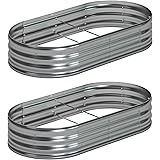
Foxlang 8x4x1ft(2 Pack) Galvanized Oval Raised Garden Bed,Outdoor Planter Box Metal Patio Kit Planting Bed for Vegetables Flowers Herb,Silver
$65.99 (as of 12:59 GMT -05:00 - More infoProduct prices and availability are accurate as of the date/time indicated and are subject to change. Any price and availability information displayed on [relevant Amazon Site(s), as applicable] at the time of purchase will apply to the purchase of this product.)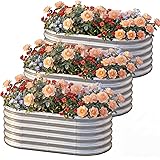
Now retrieving an image set.
AHEONLAR 3 Pack 4×2×1.5ft Galvanized Raised Garden Beds Outdoor, Sturdy Planter Boxes for Vegetables, Fruits, Flowers and Plants, Easy Assembly, Silver
$99.99 (as of 08:26 GMT -05:00 - More infoProduct prices and availability are accurate as of the date/time indicated and are subject to change. Any price and availability information displayed on [relevant Amazon Site(s), as applicable] at the time of purchase will apply to the purchase of this product.)- 1. Choose the Right Location for Your Raised Beds
- 2. Select Ideal Soil Mix and Enrich It Properly
- 3. Plan Your Vegetable Layout Strategically
- 4. Use High-Quality, Disease-Resistant Seeds
- 5. Implement Watering Strategies for Optimal Growth
- 6. Practice Crop Rotation and Companion Planting
- 7. Incorporate Pest Control Methods Naturally
- 8. Maintain Proper Spacing and Support Structures
- 9. Monitor and Adjust for Seasonal Changes
- 10. Keep Learning and Experimenting
1. Choose the Right Location for Your Raised Beds
Sunlight Is Key for Healthy Vegetables
Growing vegetables in raised beds requires ample sunlight, ideally 6-8 hours of direct sunlight daily. When selecting a location, consider how sunlight moves across your space throughout the day. Vegetables like tomatoes, peppers, and cucumbers thrive in full sun, while leafy greens can tolerate partial shade. In 2025, with climate shifts, monitoring sunlight patterns has become more crucial to optimize growth.
Planting in a sunny spot also helps reduce moisture-related issues and discourages pests like slugs and snails that prefer damp, shady areas. Think about potential obstructions such as trees or structures that could cast shade later in the season, and plan accordingly.
Accessible and Well-Drained Area
Ensure your raised beds are situated where you can easily tend to themâno more hauling loads across your yard! Accessibility encourages consistent maintenance, watering, and harvesting. Additionally, select a location with well-drained soil. Excess water can lead to root rot and other diseases, so avoid low-lying areas prone to flooding.
In 2025, incorporating smart technologyâlike sensors for moisture and sunlightâcan help you choose or adjust your location for maximum productivity. Proper site selection significantly impacts your success in growing vegetables in raised beds.
2. Select Ideal Soil Mix and Enrich It Properly
Creating the Perfect Soil Blend
Growing vegetables in raised beds starts with high-quality soil. A popular mix in 2025 combines compost, peat moss or coconut coir, and vermiculite or perlite for good drainage and aeration. The goal is a nutrient-rich, loose, and well-draining soil that retains moisture without becoming waterlogged.
Many gardeners are now integrating biochar or organic fertilizers into their soil mix to boost fertility and microbial activity. You can also add worm castings for natural nutrient enrichment, which helps plants grow vigorously and resist pests.
Amending and Testing for Optimal Results
Regular soil testing in 2025 allows you to tailor amendments precisely. Adjust pH levels to stay in the 6.0â7.0 range, optimal for most vegetables. In addition, consider periodic top-dressing with compost during the season to replenish nutrients.
Enriching soil properly ensures your plants have the essential nutrients they need throughout their growing cycle. Well-prepared soil sets the foundation for successful vegetable growing in raised beds.
3. Plan Your Vegetable Layout Strategically
Maximize Space with Companion Planting
Effective planning of your raised bed layout can significantly increase your harvest. Use companion planting principles to pair vegetables that grow well together. For example, tomatoes with basil or carrots with onions enhance growth and repel pests.
Design with plant height and growth habits in mind. Taller plants like trellised beans or cucumbers should be placed at the back or sides of your bed to avoid shading smaller crops. In 2025, using digital planning tools helps visualize and optimize space utilization.
Stagger Planting Dates for Continuous Harvest
Succession planting involves sowing new crops every few weeks, ensuring a steady supply of vegetables. Growing vegetables in raised beds in this manner makes it easier to manage planting and harvesting times. Pay attention to each cropâs preferred growing season and maturity period to extend productivity.
By thoughtfully planning your layout, you reduce plant stress, improve yields, and make the most of your raised beds. Proper planning is crucial, especially as urban gardening continues to grow in popularity in 2025.
4. Use High-Quality, Disease-Resistant Seeds
Choosing the Right Varieties
Selecting the best seeds for growing vegetables in raised beds can make all the difference. Opt for high-yield, disease-resistant cultivars suited for your USDA zone in 2025. Heirloom varieties are popular for flavor, but hybrid seeds often offer better pest and disease resistance, ensuring a more reliable harvest.
Visit local seed banks or reputable online suppliers to find healthy, non-GMO options. Investing in quality seeds reduces the need for chemical treatments and can increase your success rate significantly.
Saving Seeds and Planning for Next Season
In 2025, seed saving is trending among self-sufficient gardeners. Save seeds from your healthiest plants to adapt varieties to your specific microclimate. Proper harvesting, cleaning, and storage are essential for maintaining seed viability over multiple seasons.
Starting with top-quality, resistant seeds increases the likelihood of a bountiful harvest in your raised beds. It’s a cost-effective and sustainable choice that aligns with eco-friendly gardening practices.
5. Implement Watering Strategies for Optimal Growth
Drip Irrigation and Soaker Hoses
Consistent watering is vital for vegetables in raised beds. Drip irrigation systems or soaker hoses deliver water directly to plant roots, reducing evaporation and preventing disease caused by wet foliage. Automating watering in 2025 is easier with smart timers, ensuring your crops receive moisture precisely when needed.
Monitoring soil moisture with digital sensors helps avoid overwatering or underwatering, both of which can stress plants and reduce yields. Proper watering techniques also promote healthy root development, essential for vigorous growth.
Mulching for Water Conservation
Mulch helps retain soil moisture, suppress weeds, and regulate soil temperature. Organic mulches such as straw, wood chips, or shredded leaves are eco-friendly options that break down over time, enriching your soil naturally.
In addition to managing moisture, mulching keeps your raised beds cleaner and reduces the frequency of watering. For 2025, combining watering strategies with mulching optimizes resource use and promotes healthy, hearty vegetables.
6. Practice Crop Rotation and Companion Planting
Benefits of Crop Rotation
Rotating crops each season prevents soil depletion and disrupts pest and disease cycles. For example, planting legumes after root vegetables replenishes nitrogen in the soil, benefiting subsequent crops. Growing vegetables in raised beds make implementing crop rotation straightforward, as you can plan ahead and move plants without disturbing the bed.
In 2025, many gardeners are adopting crop rotation schedules based on data-driven insights to maximize yield and soil health.
Companion Planting for Pest and Disease Control
Companion planting involves growing compatible plants together to naturally repel pests and improve growth. For example, marigolds deter nematodes, while basil can improve the flavor and pest resistance of tomatoes.
This natural pest management approach reduces reliance on chemical pesticides, aligning with organic gardening trends in 2025. Incorporating crop rotation and companion planting elevates your success with growing vegetables in raised beds sustainably.
7. Incorporate Pest Control Methods Naturally
Biological Pest Solutions
In 2025, using natural pest control methods is more popular than ever. Beneficial insects like ladybugs and predatory nematodes help control aphids and soil pests organically. Introducing these helpful insects or planting attractants like flowering herbs attracts beneficial predators.
Regularly inspecting your plants allows early detection of pest issues, making interventions more manageable. Natural pest management keeps your vegetables healthy without harmful chemicals.
Physical Barriers and Organic Sprays
Floating row covers, collars, and mesh screens act as physical barriers against pests. Organic sprays such as neem oil or insecticidal soaps can be used to control outbreaks without harming beneficial insects.
In 2025, combining physical barriers with organic pest control forms an integrated approach, ensuring your vegetables in raised beds remain healthy and free from pests that could compromise your harvest.
8. Maintain Proper Spacing and Support Structures
Plant Spacing for Healthy Growth
Adequate spacing reduces competition for nutrients and improves air circulation, helping prevent disease. Consult seed packet recommendations and adjust based on your bed size. Overcrowding is a common mistake that stunts growth and promotes pestsâin 2025, careful planning minimizes these issues.
Use markers or grids to keep track of plant locations and ensure proper spacing. Thinning seedlings early gives remaining plants space to grow vigorously and reduces disease risk.
Support Structures for Vining Crops
Trellises, cages, and stakes are essential for vining vegetables like tomatoes, cucumbers, and squash. They save space, keep fruits off the ground, and improve airflow, decreasing disease problems.
In 2025, innovative materials such as recycled plastics and bamboo provide sturdy, eco-friendly support options. Proper supports also make harvesting easier and increase overall yield.
9. Monitor and Adjust for Seasonal Changes
Using Technology to Track Growth
In 2025, gardeners increasingly rely on apps, sensors, and weather stations to monitor soil moisture, temperature, and light levels. These insights allow timely adjustments in watering, shading, or fertilizing, optimizing growth conditions.
Regular observation helps you catch issues early, from pest outbreaks to nutrient deficiencies, before they impact your crop. Staying adaptable ensures your vegetables thrive throughout seasonal variations.
Extending the Growing Season
With advanced season extension methods such as cold frames, row covers, and mini-greenhouses, you can extend your growing season in colder climates or during unexpected weather shifts. These methods are particularly effective around your raised beds, providing extra protection and warmth.
By monitoring and adjusting your approach continually, you maximize productivity and produce fresh vegetables in your raised beds well into late fall or early spring of 2025.
10. Keep Learning and Experimenting
Stay Informed with Gardening Trends
Growing vegetables in raised beds in 2025 is an evolving skill. Stay updated through gardening books, online forums, local workshops, and extension services. Joining community garden groups can provide support and new ideas.
Experiment with new vegetable varieties, soil amendments, or planting techniques. Document your successes and failures to refine your approach each season.
Leverage Resources and Community Knowledge
Sharing experiences with fellow gardeners expands your knowledge base. Many online groups and social media platforms offer tips specific to your region and climate.
Continuous learning ensures your success in growing vegetables in raised beds and keeps gardening enjoyable and rewarding over the years.
Frequently Asked Questions
Q1: What are the best vegetables for growing in raised beds in 2025?
Popular choices include tomatoes, peppers, lettuce, spinach, carrots, and cucumbers. Selecting disease-resistant varieties suited for your climate enhances success.
Q2: How often should I water my raised beds?
Typically, watering every 1-2 days is suitable, but it depends on weather conditions and soil moisture levels. Using moisture sensors can provide precise watering schedules.
Q3: Can I grow vegetables in raised beds year-round?
Yes, with season extension techniques like cold frames or row covers, you can extend your growing season into winter in many regions. Planning and proper covers are key.
Get a free subscription to PREPARE – with more gardening and homesteading tips!
Q4: How do I prevent pests naturally when growing vegetables in raised beds?
Use companion planting, beneficial insects, physical barriers, and organic sprays. Regular inspection and early intervention help keep pests under control organically.
Conclusion
Growing vegetables in raised beds remains an effective and rewarding gardening method in 2025. By applying these 10 tipsâranging from site selection and soil preparation to pest management and continuous learningâyou’ll maximize your crops’ health and yield. Remember, success in growing vegetables in raised beds hinges on planning, proper care, and staying adaptable to seasonal changes. Happy gardening!
Get a free subscription to PREPARE – with more gardening and homesteading tips!
Related Content
- Guidelines for Elmira leaf pickup, composting, mulching – YouTube
- Comprehensive Report on Waterless Urinal Market 2021 | Size, Growth, Demand, Opportunities …
- Tips for Year-Round Garden Bounty
- Supporters, opponents of human composting discuss new body disposal method
- LETTER – The time has come to adopt rural garbage and recycling pick-up