Now retrieving an image set.
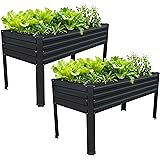
Easllre 2PCS 48×24×30in Galvanized Raised Garden Bed,Metal Elevated Planter Box with Legs for Patio,Balcony,Backyard,300lb Capacity,Black
$95.99 (as of 08:19 GMT -05:00 - More infoProduct prices and availability are accurate as of the date/time indicated and are subject to change. Any price and availability information displayed on [relevant Amazon Site(s), as applicable] at the time of purchase will apply to the purchase of this product.)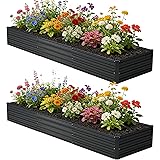
Now retrieving an image set.
zunatu 10x2x1 ft(2 Pack) Galvanized Raised Garden Bed,Outdoor Planter Box Metal Patio Kit Planting Bed for Vegetables Flowers and Succulents,Black
$69.99 (as of 12:59 GMT -05:00 - More infoProduct prices and availability are accurate as of the date/time indicated and are subject to change. Any price and availability information displayed on [relevant Amazon Site(s), as applicable] at the time of purchase will apply to the purchase of this product.)- 1. Choose the Right Containers
- 2. Select Suitable Vegetables for Balcony Gardens
- 3. Optimize Lighting Conditions
- 4. Use Quality Soil and Fertilizers
- 5. Ensure Proper Watering and Drainage
- 6. Maximize Vertical Space
- 7. Incorporate Companion Planting
- 8. Maintain Regular Pest Control
- 9. Practice Seasonal Crop Rotation
- 10. Stay Consistent and Keep Learning
1. Choose the Right Containers
Material Matters for Balcony Gardening
Growing vegetables on balcony requires selecting appropriate containers that provide durability and proper drainage. Popular options include terracotta, plastic, and wooden boxes. For instance, terracotta pots are breathable and help regulate moisture, but they can be heavy. Plastic containers are lightweight, affordable, and come in various sizes, making them ideal for balcony setups in 2025. Wooden planters offer a natural look but may require treatment to prevent rot.
When choosing containers, ensure they have sufficient drainage holes. Poor drainage can lead to waterlogged roots, which hampers plant growth and increases disease risk. For growing vegetables on balcony, a good rule of thumb is to select pots at least 12 inches deep for root development.
Proper container selection optimizes space and encourages healthy growth. Not only does this improve harvest quality, but it ensures your balcony garden remains sustainable and manageable in the long term.
Size and Depth Considerations
The size of your containers directly impacts the yield and vitality of your vegetables. Larger containers support more extensive root systems, which is especially important for crops like tomatoes and peppers. Small pots may suffice for herbs and leafy greens but not for root vegetables like carrots or radishes.
In 2025, embracing innovative container designsâsuch as self-watering plantersâcan greatly benefit balcony gardeners. These reduce maintenance and help maintain consistent moisture levels. For example, self-watering containers with a reservoir can keep plants hydrated even during busy days.
Additionally, stacking planters or multi-tiered systems maximize limited space. Vertical gardening often benefits from such arrangements, allowing you to grow more vegetables on a small balcony footprint efficiently.
2. Select Suitable Vegetables for Balcony Gardens
Best Vegetables for Small Spaces
Growing vegetables on balcony benefits greatly from choosing crops suited for container life. In 2025, popular choices include lettuce, spinach, cherry tomatoes, radishes, carrots, peppers, and herbs like basil and cilantro. These vegetables tend to have compact root systems and can thrive in limited soil volumes.
Consider the microclimate of your balcony too. East-facing balconies get morning sun, whereas south-facing get full sun throughout the day. Vegetables like cherry tomatoes and peppers require at least 6 hours of direct sunlight, which is crucial for healthy fruiting.
Choosing the right vegetables also involves planning for harvest timing. Fast-growing crops like radishes and greens can be harvested within a few weeks, providing quick satisfaction and more planting cycles throughout 2025.
Seasonal Planning for Year-round Growth
Growing vegetables on balcony requires understanding seasonal changes. In 2025, adapt your plant choices to each season to maximize productivity. For example, leafy greens and radishes are ideal for cool seasons, while peppers and beans thrive in warmer months.
Using season extension techniques such as greenhouses or cold frames can extend your growing window. In winter, if your balcony is semi-protected, you can experiment with microgreens or herbs indoors or in sheltered spots.
Rotate crops annually to prevent soil depletion and disease buildup. This practice aligns with healthy balcony gardening habits and ensures abundant vegetable harvests throughout the year.
3. Optimize Lighting Conditions
Maximize Sunlight Exposure
Lighting is the most critical factor when growing vegetables on balcony. In 2025, most vegetables need at least 6-8 hours of direct sunlight daily. Position your containers to face south or southeast if possible, to capture the maximum sunlight.
If your balcony is shaded or low on sunlight, consider using reflective surfaces like white walls or mirrors to bounce light onto your plants. Additionally, strategic placement of taller plants can create shaded areas, so plan your layout thoughtfully.
Artificial grow lights have become more affordable and efficient by 2025, making them a viable option for balconies with limited sun exposure. LED grow lights can supplement daylight, extending growing hours and boosting plant health.
Monitoring Light Intensity
Regularly assess light intensity to ensure your vegetables on balcony receive appropriate illumination. Use a light meter app to measure sunlight versus shadow periods throughout the day.
Adjust your plant placement based on changing seasons and sun angles. During winter, move containers to sunnier spots, and in summer, provide some shade during peak heat to prevent scorch, especially for delicate herbs and greens.
Proper lighting not only affects plant growth rate but also influences flavor and nutritional contentâan essential consideration for homegrown vegetables in 2025.
4. Use Quality Soil and Fertilizers
Choosing the Right Soil Mix
Healthy vegetables on balcony depend on rich, well-draining soil. In 2025, many gardeners favor organic soil mixtures that include compost, peat moss, and perlite, providing essential nutrients and good aeration.
Avoid garden soil from outdoors, as it can be heavy and may contain pests or diseases. Instead, opt for pre-made potting mixes designed for container growing, which are lightweight and balanced for vegetables.
Adding organic matter like compost enhances soil fertility over time, improving plant resilience and yield. Regularly top-dress your containers with compost or worm castings to enrich the growing medium.
Effective Fertilization Strategies
Vegetables grow best with consistent feeding. Use balanced organic fertilizers in 2025, with higher phosphorus for flowering plants like tomatoes or peppers. Liquid feeds, such as fish emulsion or seaweed extract, can be applied every couple of weeks for rapid nutrient uptake.
Supplying the right nutrients promotes lush foliage, strong stems, and abundant harvests. Monitoring plant health signsâyellowing leaves or poor growthâcan help you adjust fertilization promptly.
Container-grown vegetables on balcony often need more frequent fertilization than ground plots due to limited soil volume. Implementing a regular feeding schedule is key to success in 2025 balcony gardens.
5. Ensure Proper Watering and Drainage
Watering Best Practices
Consistent watering is vital for growing vegetables on balcony. In 2025, incorporating self-watering containers and drip irrigation systems can help maintain steady moisture levels and reduce daily chores.
Always check soil moisture before watering to avoid overwatering. Insert your finger about 2 inches into the soilâif it feels dry, it’s time to hydrate. Overwatering can lead to root rot, so balance is essential.
Deep watering encourages healthy root growth, especially important for larger plants like tomatoes. Early morning watering is ideal to reduce evaporation and fungal issues.
Drainage Solutions
Proper drainage prevents water from pooling and damaging roots. Ensure your containers have drainage holes and place them on stands or saucers to catch excess water.
In rainy seasons, be prepared with waterproof covers or move containers to sheltered areas. Avoid watering during a heavy rain to prevent over-saturation.
In 2025, innovative drainage systems with adjustable outlets are available, making balcony vegetable growing more manageable and reducing common problems like overwatering.
6. Maximize Vertical Space
Vertical Gardening Techniques
Utilizing vertical space is a game-changer for growing vegetables on balcony, especially when space is limited. In 2025, vertical planters, hanging baskets, and wall-mounted containers are popular options.
Install trellises or grids for climbing plants like beans and peas. Vertical gardens not only save space but also improve air circulation, reducing mildew and pests.
For small balconies, stackable planters or pocket-hanging pots allow you to grow a variety of vegetables in tight quarters, making your balcony more productive.
Make sure vertical structures are stable and secure, especially in windy conditions, to prevent accidents or plant damage.
Innovative Vertical Solutions for 2025
Smart vertical gardening systems with automated watering and grow lights are trending in 2025. These can turn even the smallest balcony into a lush vegetable farm.
Vertical hydroponic setups are also gaining popularity, offering rapid growth rates and efficient use of nutrients without soil. These systems are ideal for urban dwellers seeking clean, soil-free options.
Maximizing vertical space effectively increases your vegetable yield while keeping your balcony organized and accessible.
7. Incorporate Companion Planting
Benefits of Companion Planting on Balcony
Companion planting involves growing different vegetables together that benefit each other in various ways. On balconies, this technique maximizes space and boosts plant health.
For example, basil planted near tomatoes can repel pests like aphids and improve flavor. Carrots and onions also grow well together, deterring pests and competing less for space.
In 2025, pairing vegetables that have similar water and sunlight needs makes maintenance easier. It also enhances biodiversity, reducing the need for chemical pest control in your balcony garden.
Strategic plant combinations nurture your balcony garden ecosystem, leading to a more resilient and productive vegetable patch.
Designing Your Companion Planting Layout
Plan your balcony garden layout considering spacing and light requirements. Group compatible plants together in clusters to enhance their mutual benefits.
Use plant tags or stickers to remind yourself of successful pairings and prevent accidental planting of incompatible species.
Keep track of what works best in your specific environment to refine your companion planting strategies over time in 2025.
8. Maintain Regular Pest Control
Preventive Measures
Growing vegetables on balcony in 2025 benefits from proactive pest management. Inspect plants frequently for signs of aphids, whiteflies, or spider mites. Use natural deterrents like neem oil or insecticidal soaps as preventatives.
Encouraging beneficial insects such as ladybugs or lacewings can reduce pest populations naturally. Avoid chemical pesticides, especially on edible crops, to keep your produce safe.
Maintaining cleanliness by removing dead leaves and debris also minimizes pest habitats and promotes overall plant health.
Natural Pest Management Techniques
Integrate companion planting to naturally repel pests. For instance, marigolds can deter nematodes and aphids close to your vegetables.
In 2025, biological controls like Bacillus thuringiensis (Bt) offer targeted pest management as eco-friendly alternatives to chemicals. Use physical barriers like row covers during vulnerable growth stages.
Regular monitoring and early intervention prevent infestations from escalating, ensuring your vegetables on balcony remain healthy and fruitful.
9. Practice Seasonal Crop Rotation
Rotating Crops for Healthier Soil
In small balcony gardens, rotating your vegetables seasonally prevents soil exhaustion and reduces disease buildup. In 2025, plan your planting schedule so that you change the crop families each season.
For example, after harvesting leafy greens, plant legumes like peas or beans that fix nitrogen in the soil, improving fertility for future crops. Avoid planting the same vegetable in the same container year after year.
Keeping detailed records of what you plant and when helps streamline rotation plans and future planting decisions.
Monitoring and Adjusting for Success
Observe plant performance and soil health regularly to identify signs of nutrient deficiency or disease. Adjust your crop rotation plan accordingly, striving for balanced nutrient use and pest prevention.
In 2025, innovative soil testing kits make it easier for balcony growers to monitor nutrient levels and plan correct amendments, ensuring sustainable growing practices.
Effective crop rotation in your balcony vegetable garden leads not only to better harvests but also to healthier plants and eco-friendly gardening habits.
10. Stay Consistent and Keep Learning
Developing a Routine
Consistent care is essential when growing vegetables on balcony. Set a regular schedule for watering, fertilizing, pruning, and harvesting. Sticking to routine tasks ensures plants stay healthy and productive.
Keeping a gardening journal for 2025 helps track what works and what doesnât, enabling continuous improvement and faster troubleshooting.
Building a gardening habit reduces stress and makes the process enjoyable, leading to better results over time.
Embracing New Techniques and Trends
The world of balcony vegetable gardening evolves quickly. In 2025, staying updated with trends like smart gardening systems, environmental sensors, and innovative containers can boost your success.
Join online communities, attend webinars, or read recent guides on growing vegetables on balcony. Learning from others’ experiences accelerates your growth as a gardener.
Remember, patience and persistence are key. The more you learn and adapt, the more bountiful your balcony vegetable harvest will be in 2025 and beyond.
Frequently Asked Questions
1. How can I maximize space when growing vegetables on balcony?
Use vertical gardening, stacking containers, and hanging baskets to utilize every inch effectively. Selecting compact vegetable varieties also helps maximize your limited space.
2. What are the best vegetables to grow on a balcony in 2025?
Popular options include cherry tomatoes, peppers, salad greens, herbs like basil and cilantro, radishes, and small root vegetables. Choose crops suited for your sunlight and climate conditions.
3. How often should I water vegetables on balcony?
Typically, watering once daily or every other day is sufficient, depending on container size, plant type, and weather conditions. Always check soil moisture before watering.
Get a free subscription to PREPARE – with more gardening and homesteading tips!
4. What supplies do I need to start growing vegetables on balcony?
Essential supplies include containers with drainage, quality potting soil, organic fertilizers, watering systems, and appropriate lighting. Basic gardening tools and plant supports are also helpful.
5. How do I prevent pests when growing vegetables on balcony?
Practice regular inspection, use natural repellents like neem oil and companion planting, and promote beneficial insects. Avoid chemical pesticides to keep your vegetables safe and organic.
Conclusion
Growing vegetables on balcony in 2025 is an achievable and rewarding endeavor. By following these 10 effective tips, you can maximize your limited space, ensure healthy plant growth, and enjoy fresh, homegrown vegetables throughout the year. Remember, success in balcony gardening hinges on proper planning, consistent care, and a willingness to learn new techniques. Whether youâre a seasoned gardener or just starting out, embracing these strategies will help you thrive and make the most of your small outdoor space. Happy gardening!
Get a free subscription to PREPARE – with more gardening and homesteading tips!
Related Content
- Trees for Tomorrow implements new summer programs
- Why Composting is the Ultimate Solution for Sustainable Living
- Vitamix’s Composter Cuts Down Food Waste Volume by 90%—and It’s $100 Off Right Now
- Fertilizing Figs In Spring – Get Your Fig Trees Off On The Right Foot
- Screen-free lockdown activities for when you’re bored at home