Now retrieving an image set.
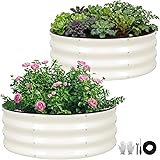
ZORMY Galvanized Raised Garden Bed Outdoor, Round Metal Planter Boxes 2 Pcs, 3x3x1ft Steel Raised Bed Kit for Planting Vegetables, Fruits, Flowers(White)
$49.99 (as of 08:24 GMT -05:00 - More infoProduct prices and availability are accurate as of the date/time indicated and are subject to change. Any price and availability information displayed on [relevant Amazon Site(s), as applicable] at the time of purchase will apply to the purchase of this product.)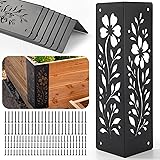
Now retrieving an image set.
8-Pack Corner Brackets for Wood, Heavy-Duty Metal Corner Brackets for Raised Garden Bed, 11" x 3" x 3" Thickened Garden Bed Corner Brackets, Rust Resistant Raised Garden Bed Corners with Screws
$33.99 (as of 08:24 GMT -05:00 - More infoProduct prices and availability are accurate as of the date/time indicated and are subject to change. Any price and availability information displayed on [relevant Amazon Site(s), as applicable] at the time of purchase will apply to the purchase of this product.)- 1. Master Indoor Gardening Techniques
- 2. Use Cold Frames and Greenhouses Effectively
- 3. Choose the Right Vegetables for Off-Season Growing
- 4. Optimize Soil Health and Fertilization
- 5. Implement Proper Lighting and Heating Solutions
- 6. Plan Your Garden Layout Strategically
- 7. Stay Informed with the Latest Trends and Research
1. Master Indoor Gardening Techniques
Setting Up an Efficient Indoor Garden
Indoor gardening is a game-changer for those aiming to grow vegetables year round in 2025. With the right setup, you can cultivate fresh produce regardless of outside weather conditions. I recommend starting with grow lights, good quality containers, and a controlled environment. LED grow lights have become increasingly affordable and energy-efficient, making them ideal for year-round indoor gardening.
Position your grow lights to mimic natural sunlight, maintaining about 12-16 hours of light per day for most vegetables. Additionally, ensure proper ventilation to prevent fungal issues and promote healthy plant growth. Using a small indoor grow tent or dedicated gardening space creates an optimal environment for your plants to thrive year round.
One practical tip is to automate watering and climate control. Smart irrigation systems and thermostats can maintain consistent moisture and temperature levels, reducing manual effort and boosting your success rate in growing vegetables year round.
Choosing the Right Indoor Vegetables
Not all vegetables grow well indoors, but many are perfect candidates for year-round cultivation. Leafy greens like lettuce, spinach, and kale are fast-growing, space-efficient, and highly nutritious. Herbs such as basil, parsley, and cilantro also thrive indoors, enriching your meals anytime of the year.
Consider root vegetables like radishes and baby carrots, which can be grown in deep containers. Vegetables like peppers and tomatoes are also popular indoor choices; however, they require more space and light. Selecting easy-to-grow varieties improves your success and keeps you motivated.
In 2025, emerging indoor-compatible hybrids are designed specifically for container and low-light conditions, expanding your options for growing vegetables year round indoors. Experimenting with different crops can make year-round gardening both fun and rewarding.
2. Use Cold Frames and Greenhouses Effectively
Extending the Growing Season with Cold Frames
Cold frames are a fantastic way to extend your growing season into the colder months, allowing you to grow vegetables year round. These simple structures trap the sunâs heat and create a microclimate suitable for many hardy vegetables. In 2025, innovative insulation materials and ventilation systems have improved cold frame efficiency, making them more practical for home gardeners.
To maximize the benefits, position your cold frame in a south-facing location, away from wind or shade. Cover your beds during frosty nights to prevent damage, and remove coverings during the day to allow sunlight to warm the soil and air inside.
Gardening with cold frames can raise your winter harvests of greens and root vegetables significantly. Planning your planting schedule around their use ensures a continuous supply of fresh produce all year round.
Optimizing Greenhouse Use for Year-Round Growth
Greenhouses are the ultimate tool for growing vegetables year round. Modern greenhouses are equipped with automated climate control systems that monitor temperature, humidity, and lighting, allowing you to manage conditions precisely in 2025.
With the right setup, you can cultivate a wide variety of vegetables, from lettuce to tomatoes, regardless of outside weather. Including shading systems and supplemental heating helps regulate the environment, maintaining optimal conditions during winter or summer extremes.
Investing in a well-insulated greenhouse pays off by providing a stable growing environment, reducing nutrient and water waste, and extending your growing season beyond traditional limitations.
3. Choose the Right Vegetables for Off-Season Growing
Hardy Vegetables and Cold-Tolerant Varieties
Growing vegetables year round in 2025 heavily depends on selecting hardy varieties that can withstand colder temperatures. Vegetables like kale, Brussels sprouts, cabbage, and root crops such as carrots and parsnips are naturally resilient and can often be harvested well into winter if managed properly.
There are also specific cold-tolerant hybrids that mature faster and have enhanced frost resistance. These varieties often feature genetic improvements that allow for extended growing periods during off-season months, especially when combined with protective structures.
Choosing the right vegetable varieties is a key step in maximizing your harvest throughout the year, and local seed companies often carry these specialized seeds tailored for your climate.
Seasonal Planting and Succession Planning
Proper planning is essential to ensure continuous production across all seasons. Implementing succession planting practices ensures your garden remains productive, even in off-peak times. For example, staggering planting dates for leafy greens and root vegetables helps maintain a steady supply throughout the year.
Furthermore, understanding the growing requirements of each vegetable and optimizing planting times according to your local climate in 2025 allows you to extend the harvest period. Use season extension techniques alongside choosing resilient crops to keep your garden thriving all year.
Ultimately, strategic planning combined with selecting the appropriate vegetables makes growing vegetables year round highly feasible and satisfying.
4. Optimize Soil Health and Fertilization
Building Nutrient-Rich Soil for Continuous Growth
Healthy soil is the backbone of successful year-round vegetable growth. In 2025, farmers and gardeners increasingly focus on regenerative practices like composting, cover cropping, and crop rotation to build rich, resilient soil. These techniques improve soil structure, enhance nutrient content, and suppress pests naturally.
Incorporating organic matter, such as compost and aged manure, boosts soil fertility and supports vigorous plant growth across seasons. Regular soil testing helps identify deficiencies, enabling precise fertilization tailored to your plantsâ needs.
Maintaining optimal soil health not only yields better vegetables but also reduces fertilizer dependence, making your garden more sustainable and productive throughout the year.
Smart Fertilization and Amendments
Applying the right fertilizers at the correct times is vital for growing vegetables year round. In 2025, slow-release organic fertilizers, paired with foliar feeds and compost teas, provide a steady stream of nutrients. Adjustments based on plant growth stages promote healthy development without overfeeding, which can lead to pests or diseases.
Consider using organic amendments such as bone meal, fish emulsion, or seaweed extract to stimulate growth and boost resilience. These natural options align with sustainable gardening principles, as they improve soil quality over time.
Consistent fertilization and soil care results in healthier plants, higher yields, and more reliable year-round production of fresh vegetables.
Get a free subscription to PREPARE – with more gardening and homesteading tips!
5. Implement Proper Lighting and Heating Solutions
Choosing Effective Grow Lights and Their Placement
Lighting plays a crucial role when growing vegetables year round, especially indoors or in shaded areas. LED grow lights are the top choice in 2025 due to their efficiency and custom spectrum options. Proper placement, generally about 12-24 inches above the plants, ensures optimal light absorption.
Automation systems can simulate natural sunlight cycles, helping plants develop as if they were outdoors. Timer-based lighting schedules save energy and maintain consistency, critical for healthy vegetable growth during shorter winter days.
Investing in quality grow lights and understanding their requirements maximizes your success in growing vegetables year round indoors and in controlled environments.
Heating Solutions for Cold Seasons
Low temperatures are a primary obstacle to year-round gardening. Therefore, effective heating solutions such as electric, propane, or wood-fired heaters can preserve the ideal environment in greenhouses or outdoor protected beds. In 2025, smart heating systems with remote controls and sensors refine temperature management, reducing waste and increasing plant health.
Insulation and thermal mass materials like sand or water barrels also help stabilize temperatures and reduce energy costs. These methods enable you to maintain favorable conditions during winter, ensuring continuous growth of your vegetable crops.
Proper lighting combined with effective heating creates an environment where vegetables can flourish all year long, even in the coldest months.
6. Plan Your Garden Layout Strategically
Maximizing Space for Continuous Production
Strategic garden planning is vital when growing vegetables year round. Designing your garden layout with crop rotation, companion planting, and vertical growing techniques maximizes space and enhances yields. Raised beds, container gardens, and vertical towers are excellent for year-round cultivation, especially in limited spaces or urban settings.
In 2025, smart garden design also factors in microclimates within your garden or greenhouse to optimize conditions for different vegetables. Efficient placement of sun-exposed beds and protective structures ensures a steady supply throughout the year.
Thoughtful planning reduces pests and disease risks while increasing productivity, making your gardening endeavors more efficient and enjoyable.
Layered and Modular Garden Designs
Adopting layered or modular garden designs allows flexibility and adaptability. For example, placing taller plants at the back or on the north side of your garden provides shade for shade-loving vegetables below, creating a microclimate that extends your growing season. Adjustable planters and movable containers facilitate seasonal changes.
This approach ensures you can adapt to weather variations and optimize growing conditions for vegetables year round. Planning for ease of access and maintenance also boosts your overall gardening success.
With careful landscape design, your garden becomes a resilient, productive space for all seasons.
7. Stay Informed with the Latest Trends and Research
Using Data and Research to Improve Your Garden
Continuously updating your gardening techniques based on research and trends ensures success in growing vegetables year round. In 2025, new studies highlight the importance of soil microbiome diversity, integrated pest management, and advanced breeding for season extension.
Joining gardening forums, subscribing to research journals, and participating in local groups can keep you informed. Implementing innovative practices such as aquaponics, hydroponics, or AI-driven climate control are becoming increasingly popular and accessible.
By staying current, you can adapt quickly to climate shifts and maximize your harvest potential, making your garden more resilient and productive throughout the year.
Adopting Sustainable and Eco-Friendly Practices
Growing vegetables year round in 2025 naturally aligns with sustainable gardening principles. Techniques like rainwater harvesting, composting, and integrated pest management reduce resource use and environmental impact.
Understanding the latest research on plant genetics and crop resilience helps you select varieties best suited for your environment and personal goals. These practices contribute to healthier ecosystems and enable consistent harvests year after year.
Being proactive and informed allows you to enjoy a productive, sustainable garden that provides fresh vegetables all year long.
Conclusion
Growing vegetables year round in 2025 is not only feasible but increasingly accessible thanks to technological advances, innovative gardening techniques, and a better understanding of sustainable practices. By mastering indoor gardening, utilizing cold frames and greenhouses, selecting the right crops, optimizing soil health, managing environmental conditions, planning your garden thoughtfully, and staying informed on the latest trends, you can enjoy fresh, homegrown produce throughout the entire year. Embracing these seven tips will help you achieve a thriving, productive garden no matter the season. Remember, the key lies in strategic planning, modern tools, and continuous learning to optimize your success in growing vegetables year round.
Frequently Asked Questions
1. What are the best vegetables for growing year round?
Leafy greens like kale, spinach, and lettuce, as well as root vegetables such as carrots and radishes, are excellent choices for growing year round. Hardy varieties and those suited for colder temperatures are especially good for off-season cultivation.
2. How can I extend my growing season in cold climates?
Using cold frames, greenhouses, and protective coverings allows you to extend your growing season significantly. Insulated structures and controlled environments help maintain optimal temperatures for vegetables during winter.
3. Is growing vegetables year round more sustainable?
Yes, when done using organic practices, crop rotation, and resource-efficient technologies, year-round growing can be highly sustainable, reducing reliance on imported produce and lowering your carbon footprint.
4. Can I grow vegetables indoors year round in small spaces?
Absolutely! Indoor gardening with grow lights and containers makes it possible to grow a variety of vegetables throughout the year, even in limited spaces or urban settings.
5. What are the current trends for growing vegetables in 2025?
Trends include smart climate control, vertical gardening, hydroponics, AI-assisted gardening, and a focus on regenerative soil practices. Staying updated with these helps improve productivity and sustainability.
Get a free subscription to PREPARE – with more gardening and homesteading tips!
Related Content
- Progress Street Bike Improvements Proposal – NRVNews
- Why Composting is the Ultimate Solution for Sustainable Living
- Thinking about <b>composting</b>? This is your ultimate guide
- Things to Consider When Looking For Vegetable Gardens
- ! Murcia Today – Glorious Cycle Of Life In Lorca As Biowaste Makes Growing Up A Greener …