Now retrieving an image set.
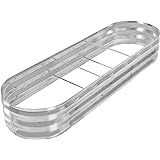
GADI 67-Inch Galvanized Raised Garden Bed, Metal Planter Box for Vegetables and Flowers, Large Outdoor Gardening Kit, Easy DIY Assembly, Weather-Resistant & Rust-Proof
$29.99 (as of 12:59 GMT -05:00 - More infoProduct prices and availability are accurate as of the date/time indicated and are subject to change. Any price and availability information displayed on [relevant Amazon Site(s), as applicable] at the time of purchase will apply to the purchase of this product.)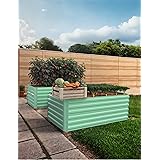
Now retrieving an image set.
CABIHOME 2 Pcs 6x3x2 Ft Galvanized Raised Garden Bed, Deep Root Planter Box for Vegetables, Flowers, Herbs- Large Metal Raised Garden Bed Kit for Outdoor Use, Green
$126.87 (as of 08:19 GMT -05:00 - More infoProduct prices and availability are accurate as of the date/time indicated and are subject to change. Any price and availability information displayed on [relevant Amazon Site(s), as applicable] at the time of purchase will apply to the purchase of this product.)- Maximize Vertical Space with Vertical Gardens
- Opt for Compact and Dwarf Plant Varieties
- Utilize Space-Saving Pots and Containers
- Practice Succession Planting
- Optimize Light for Small Indoor and Outdoor Gardens
- Implement Efficient Watering Systems
- Use Companion Planting Techniques
- Use High-Quality, Space-Optimized Soil Mixes
- Organize Your Space Creatively for Maximum Yield
- Maintain and Prune Regularly for Healthy Growth
1. Maximize Vertical Space with Vertical Gardens
Harness Vertical Wall Spaces
One of the most effective ways to tackle the challenge of limited space in home gardening for small spaces is to think vertically. By using wall-mounted planters, trellises, and hanging gardens, you can dramatically increase your growing area without needing more square footage. For example, vertical gardens are perfect for herbs like basil, mint, and thyme, which can thrive on kitchen walls or balcony rails.
Vertical gardening not only maximizes space but also creates a stunning visual display. It’s particularly useful for urban dwellers with balcony or patio gardens. Research shows that vertical gardens can yield up to 20-30% more produce in the same footprint, making them a must-try for 2025.
Choose the Right Structures
Select structures like tiered planters, tomato cages, or wall-mounted pockets specifically designed for small gardens. These options allow you to stack your plants, saving precious ground or counter space. For indoor setups, consider using plant stands or multi-tiered shelving units to keep different plant varieties organized and accessible.
Pro Tip: Use lightweight materials for easy installation and frequent rearrangement. This flexibility helps adapt your space as your gardening needs evolve throughout 2025.
2. Opt for Compact and Dwarf Plant Varieties
Pick Dwarf Fruit and Vegetable Plants
Choosing dwarf or compact varieties is crucial for home gardening for small spaces. Many seed companies now offer miniature versions of popular plants like tomatoes, peppers, and beans that flourish in containers or small beds. These plants often produce the same yields as full-sized varieties but in a much smaller footprint.
For example, the Cherry Dwarf Tomato produces abundant cherry-sized fruits in just 2-3 feet of spaceâperfect for a balcony garden. As of 2025, advancements in plant Breeding make it easier than ever to find space-friendly cultivars that are pest resistant and highly productive.
Focus on Herbs and Greens
Herbs like cilantro, chives, and parsley are naturally small and can be grown easily in small pots or window boxes. Leafy greens such as spinach, lettuce, and kale also fit well into tight spacesâsome varieties mature in just 30 days, allowing multiple harvests in a season.
Tip: When selecting plants, consider their growth habits and space requirements. Always check seed packets or plant labels for mature height and width to plan your garden layout effectively for 2025.
3. Utilize Space-Saving Pots and Containers
Choose the Right Container Sizes
Container gardening is a game-changer for small spaces. Use a variety of pots that suit your plant types, from small herb pots to larger containers for root vegetables. Ensure your containers have proper drainage to prevent overwatering, a common mistake in small gardens.
In 2025, innovative container designsâlike self-watering pots and collapsible plantersâare gaining popularity. These features help conserve space and reduce maintenance, making gardening more accessible for busy individuals.
Maximize Limited Container Space
Stacked or tiered planters allow you to grow multiple plants vertically within a single container. Hanging baskets are perfect for vining plants, freeing up ground space. Use smart placementâlike near windows or patio edgesâto get the most sunlight exposure for your potted plants.
Tip: Regularly rotate your containers to ensure even light distribution and prevent overcrowding. This approach helps optimize your gardenâs productivity throughout 2025.
4. Practice Succession Planting
Maximize Yield in Limited Space
Succession planting is a technique where you plant new crops immediately after harvesting the previous ones. Itâs a fantastic way to make the most of limited space, ensuring your small garden produces throughout the growing season. For example, after harvesting lettuce, you can plant radishes or spinach for an ongoing harvest.
This method is particularly effective in small gardens where space is at a premium. Recent research in 2025 indicates that small-space gardeners who practice succession planting can increase their productivity by up to 40% annually.
Plan Your Planting Schedule Carefully
Create a planting calendar tailored to your climate and available space. Use quick-maturing crops to fill gaps quickly. Consider planting perennials or cut-and-come-again crops for continuous harvests without taking up extra space.
Pro Tip: Keep seedlings organized in trays or small containers during rotation to ensure a smooth transition between crops and avoid overcrowding.
5. Optimize Light for Small Indoor and Outdoor Gardens
Maximize Sunlight Exposure
Lighting is one of the most critical factors in home gardening for small spaces. For outdoor gardens, position your plants to receive maximum sunlight, typically 6-8 hours daily. For indoor setups, place grow lights close to plants and consider south-facing windows for the best natural light.
In 2025, the latest LED grow lights are energy-efficient and adjustable, enabling you to customize light spectrums for different plants. This technology helps indoor gardens thrive regardless of natural light limitations.
Use Reflective Surfaces
Adding reflective surfaces like white walls, aluminum foil, or reflective sheeting can significantly boost light availability. This trick is particularly useful indoors or in shaded outdoor corners. Reflective surfaces bounce light back onto your plants, promoting healthy growth.
Tip: Regularly rotate your plants to ensure even light exposure, preventing leggy or uneven growth during the growing season.
6. Implement Efficient Watering Systems
Choose Low-Flow Drip Irrigation
Effective watering is key for small gardens, especially in 2025 when water conservation is a priority. Drip irrigation systems deliver water directly to the roots with minimal waste. This setup is perfect for container gardens and space-efficient beds.
Automation options like timers make watering hassle-free and ensure your plants receive consistent moisture â crucial for healthy growth. Plus, these systems conserve water, aligning with sustainable gardening practices.
Watering Tips for Small Spaces
Water in the early morning or late afternoon to reduce evaporation. Use self-watering containers for indoor or balcony gardens to reduce daily watering needs. Mulching also helps retain moisture, especially during hot summer months in 2025.
Get a free subscription to PREPARE – with more gardening and homesteading tips!
Quick Tip: Keep a moisture meter handy to monitor soil hydration levels accurately and avoid over- or under-watering, enhancing plant health.
7. Use Companion Planting Techniques
Enhance Growth and Pest Control
Companion planting involves grouping plants that benefit each other. For small spaces, this method maximizes yields while naturally deterring pests. For example, planting marigolds alongside tomatoes helps repel nematodes and aphids.
Research shows that certain combinations, like basil with peppers, can enhance flavor and yield. In 2025, more gardeners are adopting companion planting as a natural, low-maintenance pest control method.
Strategic Plant Pairings for Small Gardens
Use vertical supports to plant compatible pairs like climbing beans with corn, which uses space efficiently. Lettuce and radishes can be grown together in small shallow beds since they have similar light and water needs.
Pro Tip: Plan your planting layout to accommodate mature plant sizes and avoid overcrowding, ensuring healthy growth for all your small-space crops.
8. Use High-Quality, Space-Optimized Soil Mixes
Improve Soil Fertility
Healthy soil is the foundation of a thriving garden, especially in small spaces where soil volume is limited. Use high-quality compost, organic matter, and amendments tailored for container or raised bed gardening in 2025. These enhance nutrient availability and improve drainage.
Mix soil components to balance water retention and aeration. For instance, a mix of compost, peat moss, and perlite works well for most vegetables and herbs in containers, providing a rich environment for root growth.
Container Soil Innovations
In 2025, innovative space-specific soil mixes include slow-release nutrients and disease suppressants, making maintenance easier and plant growth more consistent. These mixes are designed for longevity, reducing the need for frequent replanting or soil replacement in small spaces.
Pro Tip: Always replenish nutrients with organic fertilizers or compost teas to keep your small plants vigorous and productive.
9. Organize Your Space Creatively for Maximum Yield
Design with Functionality
Maximizing your small space means smart organization. Use vertical shelves, under-used corners, and multi-tiered planters to keep everything accessible and efficient. Group plants by their water and light needs for easier maintenance.
In 2025, modular and foldable gardening furniture is trending, allowing you to customize your setup based on current garden demands or weather conditions.
Utilize Smart Storage Solutions
Keep gardening tools, fertilizers, and seeds neatly stored in wall-mounted containers or labeled bins. This minimizes clutter and saves space, making your gardening routine more enjoyable.
Tip: Create specific zones for planting, watering, and harvesting to streamline your process and ensure no space is wasted.
10. Maintain and Prune Regularly for Healthy Growth
Routine Maintenance Practices
Consistent maintenance is vital for small gardens to stay productive. Regularly inspect your plants for pests and diseases. Prune and deadhead to encourage new growth and prevent overcrowding, which can lead to disease.
In 2025, robotic and automated pruning tools are becoming available, making maintenance less labor-intensive for small-space gardeners.
Health Monitoring and Adjustments
Use plant health indicatorsâsuch as leaf color and growth rateâto adjust watering, lighting, and fertilization as needed. Proper maintenance ensures your small garden flourishes throughout the seasons.
Pro Tip: Keep a gardening journal or app to track growth patterns and schedule regular care routines for continuous success.
Frequently Asked Questions
Q1: What are the best plants for home gardening for small spaces in 2025?
Some of the best plants include compact herbs like basil and chives, dwarf tomatoes, leafy greens like lettuce and spinach, and vining vegetables like peas and strawberries. Choose varieties suited to container gardening for optimal results.
Q2: How can I maximize sunlight in my small garden?
Place plants in the sunniest spots, utilize reflective surfaces, and consider supplemental lighting like LEDs for indoor spaces. Proper placement ensures your plants receive the light they need for healthy growth.
Q3: What watering techniques are best for small gardens?
Drip irrigation, self-watering containers, and mulching are excellent options in 2025. They conserve water, reduce maintenance, and promote consistent soil moisture for thriving plants.
Q4: How do I keep my small garden productive throughout the year?
Practice succession planting, choose fast-maturing crops, and use season extension techniques like mini-greenhouses or grow lights. These strategies help you harvest fresh produce consistently in 2025.
Q5: How important is soil quality in home gardening for small spaces?
Soil quality directly impacts plant health and yield. Use nutrient-rich, well-draining mixes tailored for container gardening, and replenish nutrients regularly for optimal results in 2025.
Conclusion
Mastering the art of home gardening for small spaces in 2025 involves clever use of vertical gardening, selecting compact plant varieties, and employing smart organization and maintenance techniques. By applying these 10 effective tips, you’ll maximize your limited space, boost your yields, and enjoy fresh, home-grown produce all year round. Don’t let small areas limit your gardening dreams â with the right strategies, your small garden can thrive and produce impressive results in 2025.
Get a free subscription to PREPARE – with more gardening and homesteading tips!
Related Content
- Want to garden more productively this year? Make composting your resolution | Gardening
- Homebase launch winter campaign after seeing 12.5% rose in gardening spand | Horticulture Week
- Starting a Vegetable Garden
- How To Make Your Garden Grow With Minimal Effort
- Discarding pumpkins into natural areas a big no-no: NCC | Lethbridge News Now